Unpacking the Supreme Political and Legislative Power of the Knesset Speaker
The Speaker of the Knesset holds immense legislative and state power, ranking third in Israel's hierarchy, while strict legal thresholds make removing a sitting speaker exceptionally difficult.
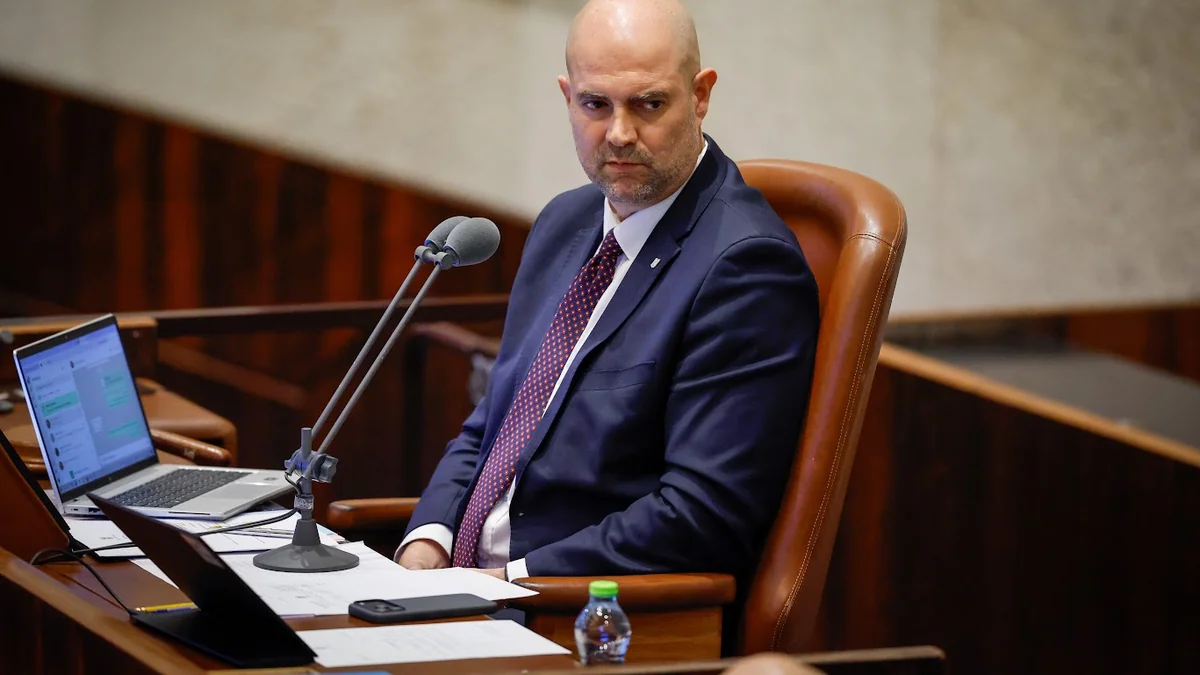
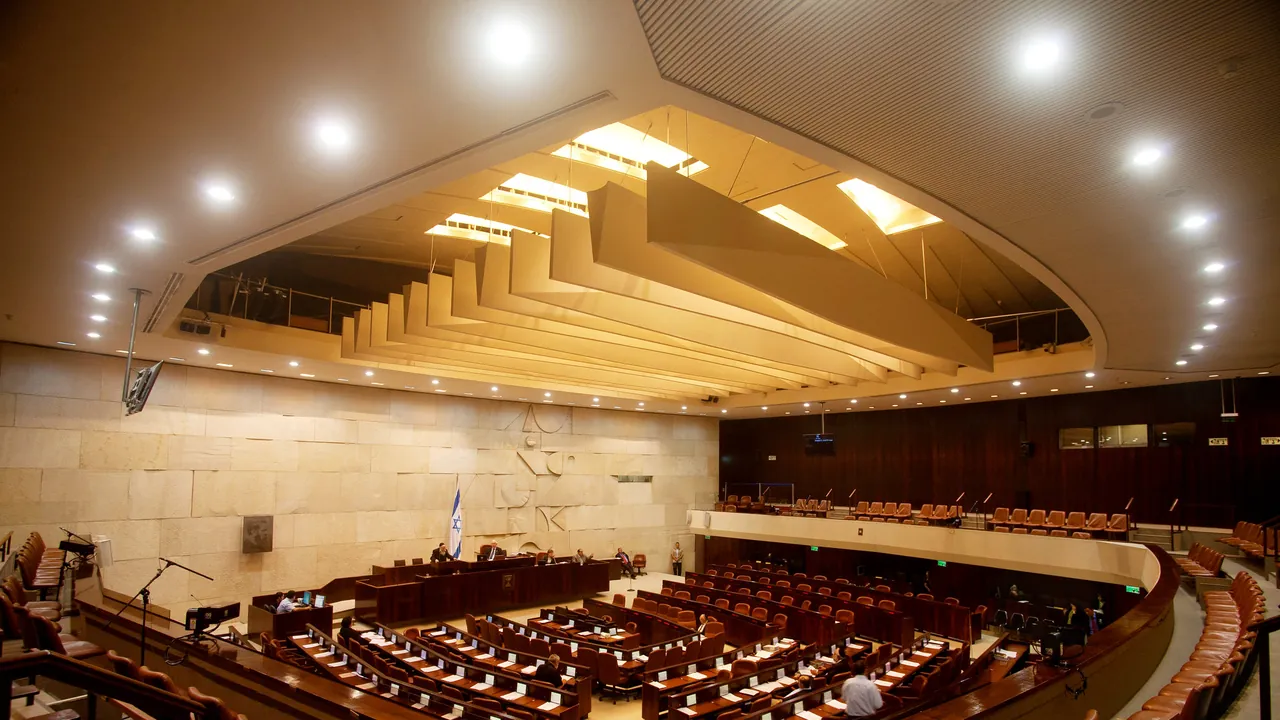
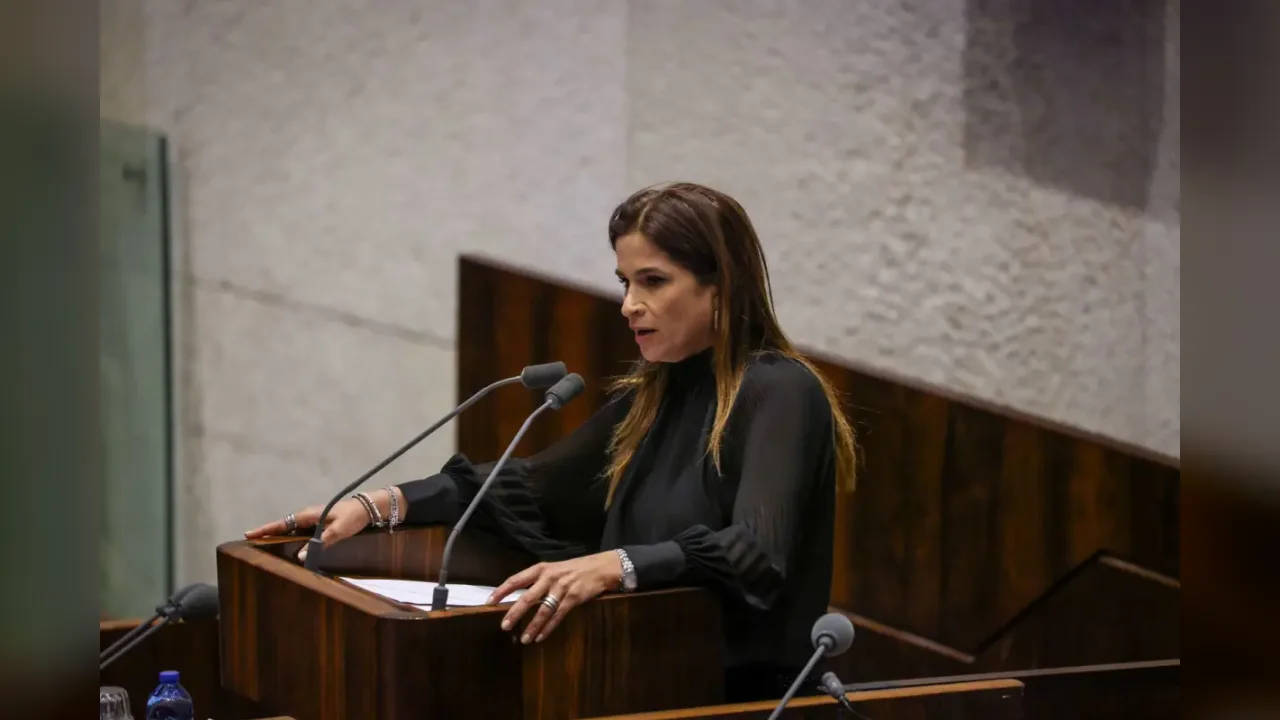
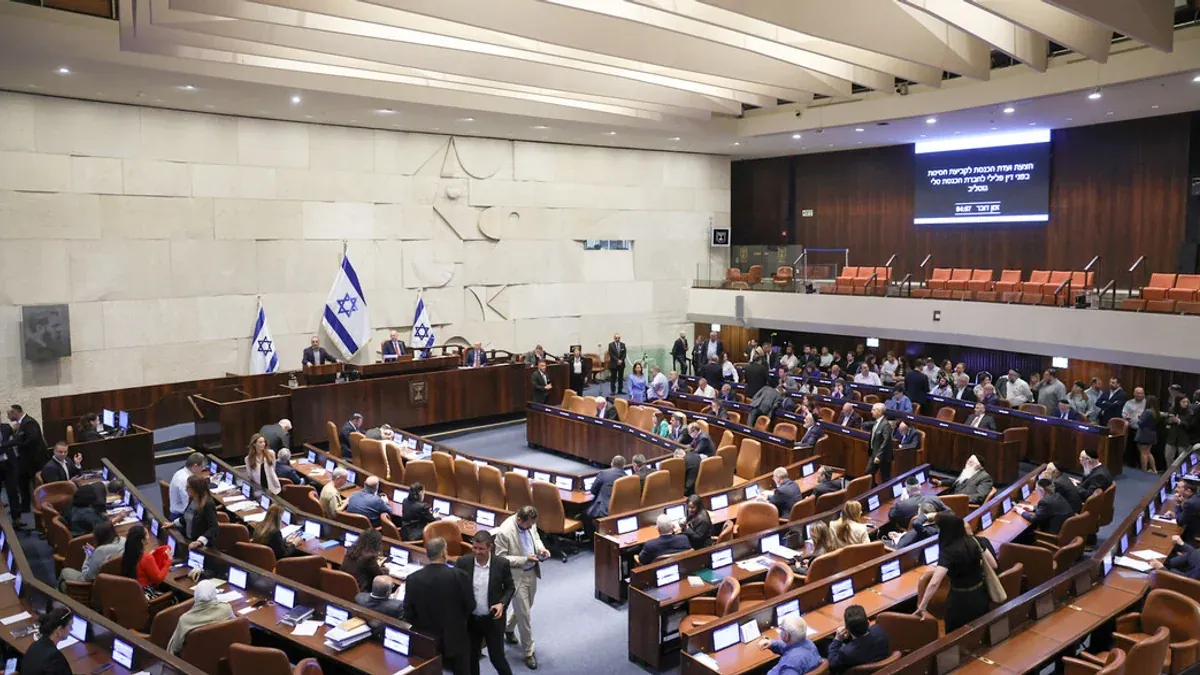
While the Speaker of the Knesset is widely recognized for presiding over parliamentary debates and maintaining order in the chamber, the office holds sweeping political and state authority that extends far beyond the ceremonial gavel. Ranked third in the state hierarchy behind the President and the Prime Minister, the Speaker directs the legislative agenda, manages administrative operations, and can even serve as Acting President during the head of state's absence.
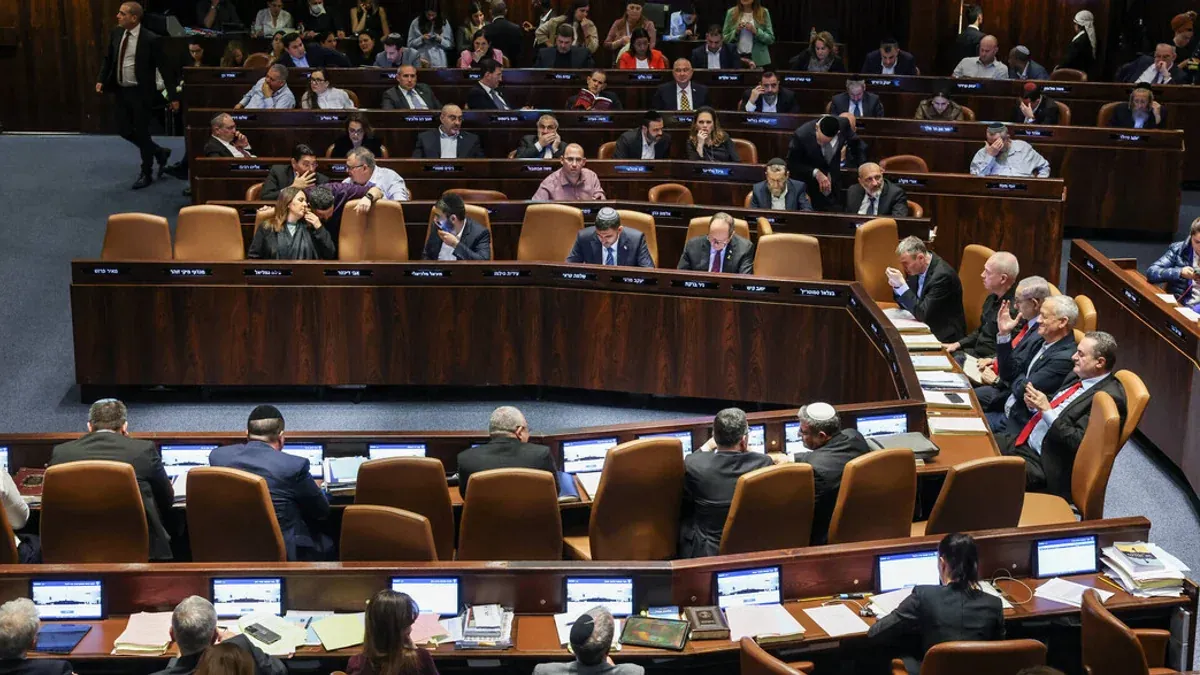
Elected through an open vote in the plenum, the Speaker is tasked with overseeing the legislature in an impartial manner, representing all lawmakers across both the coalition and the opposition. However, the position wields immense practical power over the progression of parliamentary business, influencing which private member bills advance to the floor and shaping the day-to-day workflow of the Israeli parliament.
Parliamentary Powers and Institutional Authority
Among the central authorities vested in the office is the control over the parliamentary agenda, managed alongside deputy speakers in the Knesset Presidency. This body holds the statutory power to preemptively block legislative proposals from reaching the floor if they contain incitement to racism or deny Israel's character as a Jewish and democratic state, a measure invoked in past decades against controversial figures.
Beyond legislation, the Speaker oversees the administrative and budgetary affairs of the parliamentary complex, directing its personnel and operational mechanisms. Furthermore, the position carries significant constitutional weight as the designated substitute for the presidency, stepping in whenever the incumbent president is abroad or temporarily incapacitated, as demonstrated during historical leadership transitions.
The High Bar for Removal
Securing stability for the office, removing a sitting Speaker of the Knesset from power involves an exceptionally rigorous legal procedure rather than a simple parliamentary no-confidence vote. The statutory framework mandates a three-quarters majority vote within the House Committee followed by the backing of 90 members of Knesset in the plenum.
This formidable threshold ensures that standard coalition shifts cannot easily unseat the incumbent, granting the Speaker substantial independence throughout the parliamentary term. As repeated political crises have underscored in recent years, the contest for control of the speaker's chair often proves just as consequential as the struggle to form a governing coalition.