Global Restaurant Brands Face Bankruptcy Wave Amid Soaring Costs and Debt
Major restaurant brands including McDonald's face surging bankruptcy filings in 2026, potentially exceeding pandemic levels due to high operational costs, heavy debt, and declining consumer dining-out budgets.
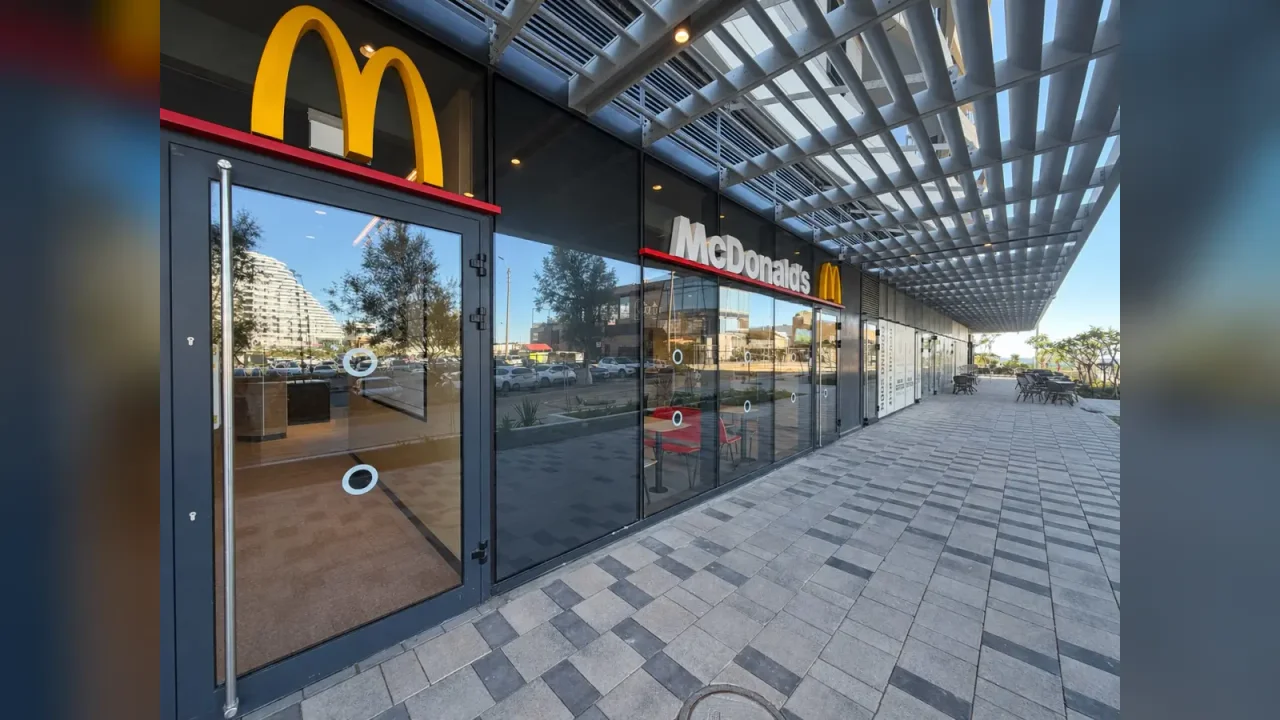
Major global restaurant brands, including McDonald's, Wendy's, Outback Steakhouse, and Denny's, are facing a severe wave of financial distress as major franchisees file for Chapter 11 bankruptcy at rates that could surpass pandemic-era levels. According to industry reports citing legal and market data, approximately 700 dining establishments have filed for creditor protection so far this year.
Legal experts note that a complex mix of soaring operational costs, inflationary pressures, and lingering debt burdens from pandemic-era loans have created an unsustainable business environment for restaurant operators. Data compiled by bankruptcy advisory firms indicate that roughly 680 restaurants filed for bankruptcy by November 5, compared to 560 throughout the entirety of 2025 and 508 in 2024.
Financial Strain and Heavy Debt Burdens
The deteriorating financial reality across the hospitality sector is exemplified by major franchise operators. Cerca Trova Restaurant Group Holdings, which operates 61 Outback Steakhouse locations, filed for Chapter 11 bankruptcy earlier this month with total liabilities reaching 319.9 million dollars, consisting of 129 million dollars in principal loan debt alongside 190.9 million dollars in interest, fees, and additional charges.
Market analysts attribute the widespread pressure to declining customer foot traffic, escalating labor expenses particularly in states like California, persistent food inflation, and mounting interest obligations. Consumer demand for dining out has contracted sharply as households cut back on discretionary spending.
Shifting Consumer Habits and Grocery Inflation
Recent surveys highlight a significant shift in consumer behavior, with 67% of consumers reporting that they are spending less money on restaurants this year compared to last year. While consumers allocated approximately 40% of their monthly food budget to dining out in 2022, that figure dropped to 30% in 2026, with evening dinners experiencing the steepest declines.
Even households choosing to eat at home face severe economic hurdles, as grocery prices have surged by 28% since October 2020 according to federal data. The dramatic increase in food product costs has forced half of all Americans to skip at least one meal to save money.