High Court Petition Exposes Deceptive Tactics in Long-Term Care Insurance
A petition filed with the High Court of Justice highlights deceptive tactics used by private investigators in long-term care insurance claims. Insurance regulations strictly prohibit staged scenarios, while legal experts outline essential rights and practical steps for policyholders.

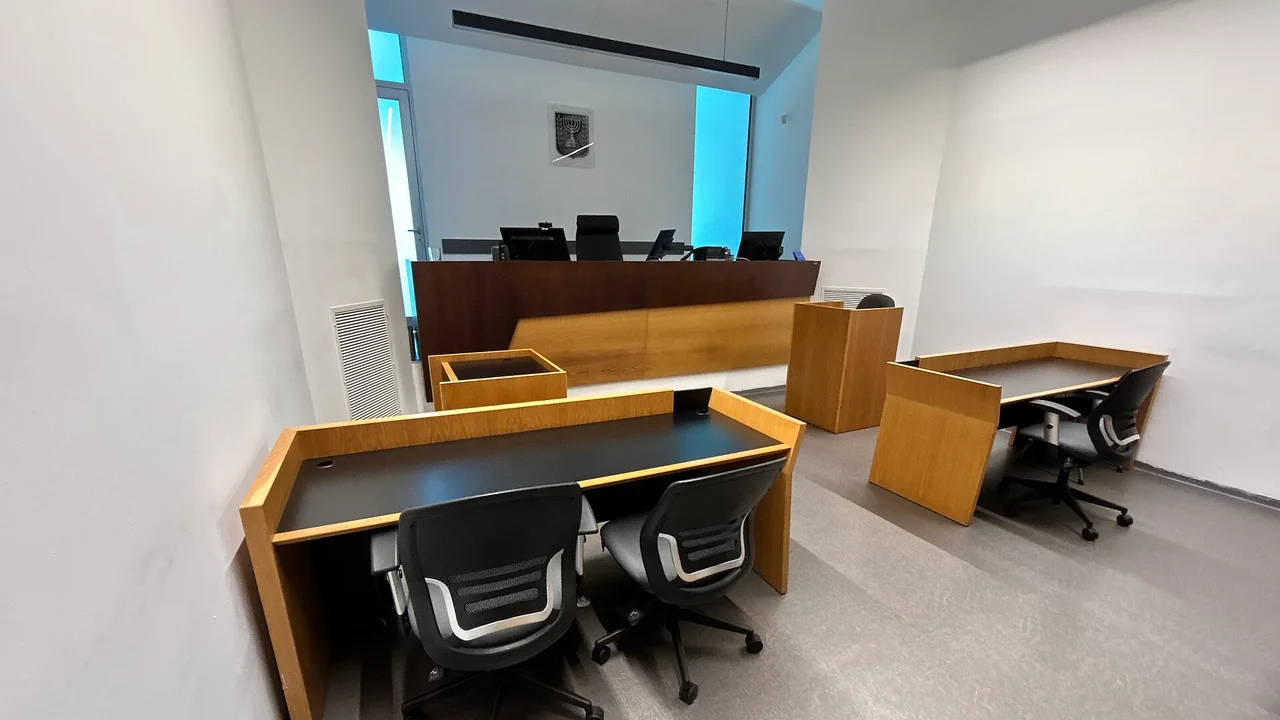
Navigating the complexities of long-term care insurance claims often involves intense scrutiny from insurance companies seeking to verify policyholders' health conditions. A petition submitted to the High Court of Justice in August 2026 highlights the case of an 82-year-old woman who received a phone call from an individual posing as a delivery courier, instructing her to walk to a nearby bus station. The caller was actually a private investigator hired by an insurance company. While insurers have a legitimate interest in combating fraudulent claims, regulatory guidelines govern how investigations must be conducted.
Legal Boundaries of Private Investigations
According to the rules established by the Capital Market Authority, conducting an investigation requires reasonable grounds to suspect that a policyholder's functional status contradicts the information provided. Investigators are permitted to document insured individuals in public spaces while complying with privacy laws. However, the investigator's report is strictly limited to factual records such as dates, locations, identity verification, and multimedia with audio. Investigators are strictly prohibited from drawing medical conclusions, such as asserting that an insured person appears healthy, as medical assessments must be conducted exclusively by qualified physicians.
Furthermore, investigators are barred from staging scenarios or prompting insured individuals to perform physical actions. This includes posing as couriers, municipal inspectors, public officials, or volunteers, as well as asking policyholders to pick up dropped objects, provide street directions, or respond to sudden shouts from behind. Legal experts emphasize that investigations must document reality rather than manufacture staged situations. When an insurer denies a claim based on investigative findings, policyholders have the legal right to request the complete investigative file, including recording dates, locations, and relevant media.
Practical Guidelines for Policyholders
To protect their rights during the claims process, legal professionals recommend several preventive measures for policyholders and their families:
- Maintain a normal daily routine without exaggerating pain or concealing good days, and continue using necessary mobility aids such as walkers or canes both inside and outside the home.
- Refuse requests from strangers to step outside, lift objects, or provide directions, and avoid pushing beyond physical limits just to project strength.
- Keep a detailed daily log recording difficult days and noting specific assistance received for routine tasks such as bathing, dressing, and using restroom facilities.
- Exercise caution with social media activity, as isolated photographs from family celebrations can easily be misinterpreted out of context without accompanying explanations.
- Inform a family member immediately about any suspicious inquiries and request accompaniment when venturing outside.