Court Dismisses Bat Yam Buyer Lawsuit Over Undisclosed Demolition Order
A Tel Aviv court dismissed a 630,000 shekel lawsuit by a Bat Yam apartment buyer who claimed a demolition order was hidden, ruling he knowingly ignored risks and ordering him to pay 172,000 shekels in costs.
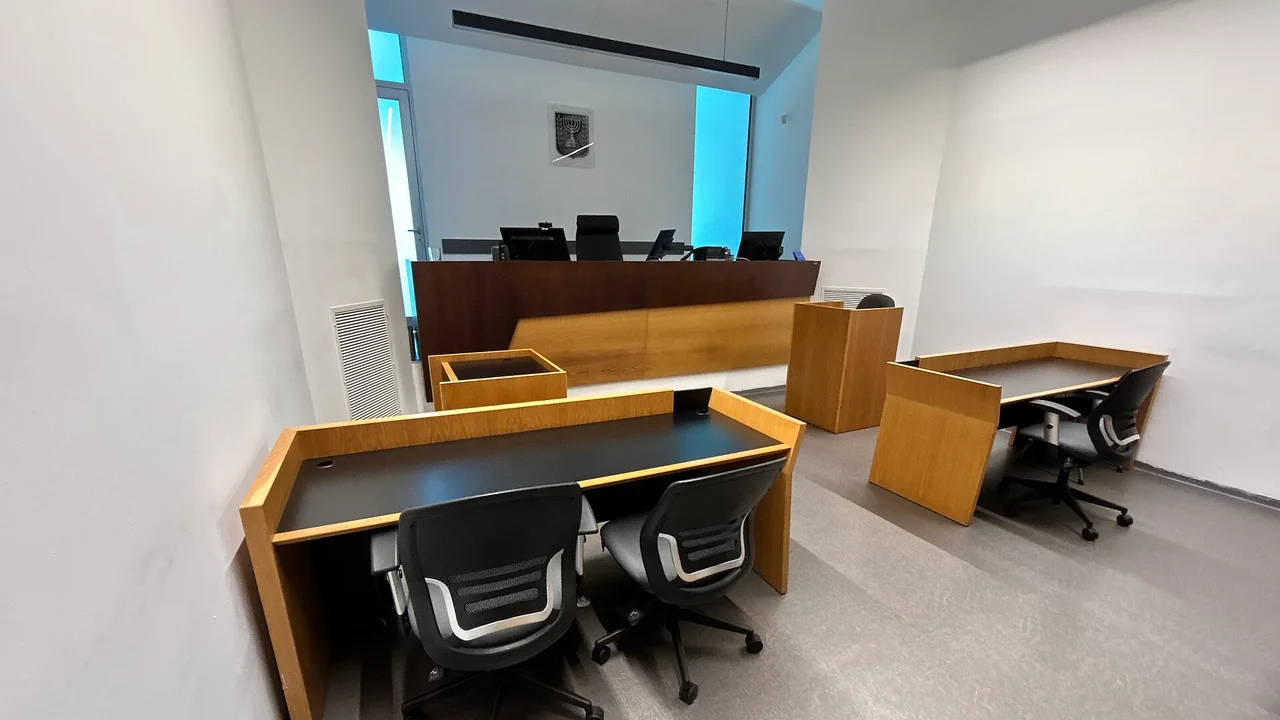
A Magistrate's Court in Tel Aviv has dismissed a lawsuit seeking approximately 630,000 shekels filed by an apartment buyer in Bat Yam against the seller, an appraisal firm, and his legal counsel. The plaintiff claimed that information regarding a demolition order affecting part of the building was concealed from him prior to the transaction.
Judge Eran Gelbard ruled that the buyer consciously assumed high risks despite numerous warning signs. Consequently, the court ordered the plaintiff to pay legal fees and expenses totaling 172,000 shekels, alongside witness compensation. In November 2020, the buyer purchased a third-floor apartment in a Bat Yam building for 1.525 million shekels. Earlier that year in January, the building had been declared a dangerous structure while undergoing a TAMA 38 urban renewal project. By August, a demolition order was issued for three illegal housing units constructed without permits on the sixth and seventh floors.
Appraisal and Legal Warnings
Prior to signing the contract, the buyer obtained an appraisal report at his lawyer's recommendation. The report valued the apartment at 1.4 million shekels and featured the words "Dangerous Structure" in red on its cover, detailing unfinished work in the building and the apartment, though the demolition order was omitted. The sales agreement was signed the following day.
In his lawsuit, the plaintiff argued that he would not have entered the transaction had he known about the demolition order, accusing the seller of breaching the duty of disclosure and claiming negligence by his attorney and the appraisal firm. He sought 324,000 shekels for depreciation, 150,000 shekels for non-pecuniary damages, and a 152,500 shekel agreed penalty from the seller. The seller maintained he was unaware of the order, though he had informed the buyer about the dangerous structure designation. The defense counsel emphasized that he had explicitly warned of the risks and advised canceling the deal, while the appraisal firm argued the order was absent from the municipal building file and that the buyer paid 125,000 shekels above the appraised value.
Court Findings and Ruling
Judge Gelbard accepted the seller's position, noting municipal employee testimony confirmed the demolition order was located in a separate enforcement file rather than the general building file at the relevant time. The seller, who had not visited the property in the months preceding the sale, was not proven to have known about the order. The claim of attorney negligence was also rejected, as the court found the lawyer provided clear and extensive warnings, attempted to obtain vital project data without success, and advised against proceeding.
Regarding the appraisal firm, the court found that the intern who visited the property erred by failing to notice that the number of floors did not match the building permit. However, the judge concluded the buyer would have proceeded with the purchase regardless, given that the violations did not affect his specific apartment. The third-party claims were dismissed, and the plaintiff was ordered to pay 42,000 shekels in legal fees to each of the three primary defendants, in addition to expenses and witness compensation.