Israel Advances 13 New Gas Power Plants as Energy Demand Surges Statewide
Israel is advancing 13 new natural gas power plants, with nine between Gedera and Hadera, to meet surging electricity demand from data centers and electric vehicles amid lagging solar infrastructure and rising costs.
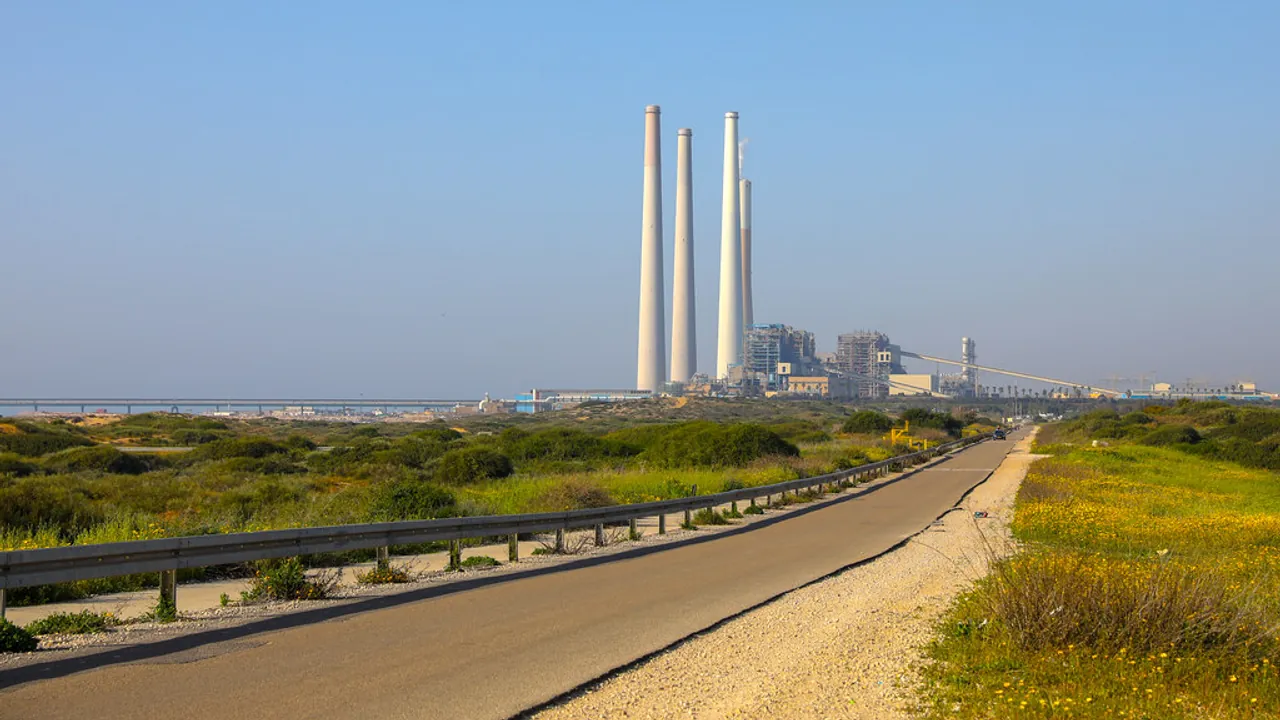
Israel is currently advancing 19 new power plant projects, with 13 natural gas facilities slated for immediate construction and at least nine concentrated densely between Gedera and Hadera. Speaking on the latest episode of local media program HaMa'arechet, energy and infrastructure correspondent Daniel Shamil explained that the state is compelled to return to natural gas despite renewable energy targets. Surging electricity consumption, driven primarily by expanding data centers and electric vehicles, is scaling up much faster than solar generation capacity can accommodate.
Building new high-voltage transmission lines from the Negev Desert to the densely populated center would cost tens of billions of shekels while undermining grid reliability during routine periods and emergencies. However, rather than constructing adjacent facilities beside existing infrastructure, the Israel Electric Corporation is retaining its land holdings while the state permits private developers to independently source plots. For private entrepreneurs, this represents a massive windfall generating roughly 1 billion shekels in revenue and 200 million shekels in annual profit per plant, whereas local residents express deep concerns regarding environmental degradation, radiation, and toxic leaks.
An even greater challenge looms on the horizon as power consumption nationwide is projected to double by 2050, according to estimates by system administrator Noga. Meanwhile, domestic natural gas reserves are sufficient for approximately only 20 years, with nearly half of current output exported abroad. With guaranteed gas contracts securing supply only until 2040 and ongoing pricing disputes currently undergoing arbitration in London involving the Leviathan reservoir partnership, Israel risks facing expensive liquefied natural gas imports, restricted data center development, and substantially higher electricity bills for ordinary consumers.