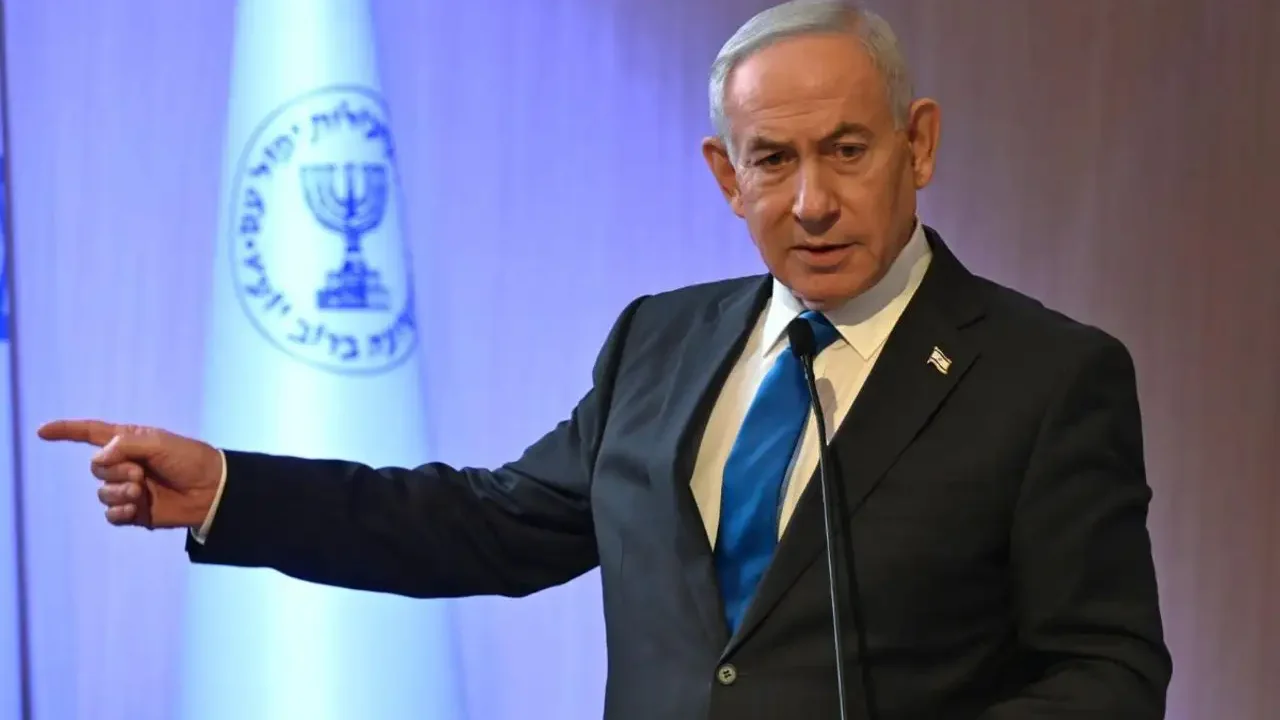
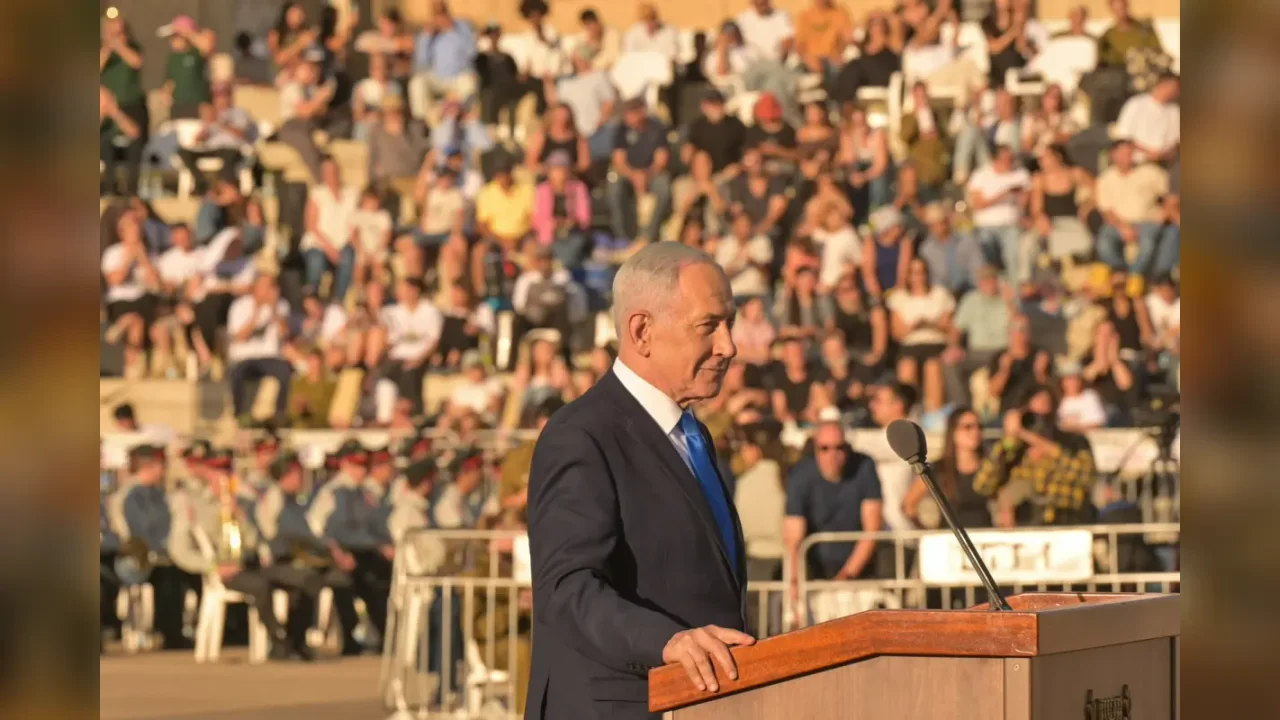
Raviv Drucker Apologizes on Reshet 13 for Severe Election Polling Errors
Three weeks after the Knesset elections, anchor Raviv Drucker apologized on Reshet 13 for massive polling errors, admitting forecasts failed to predict final seat distributions.
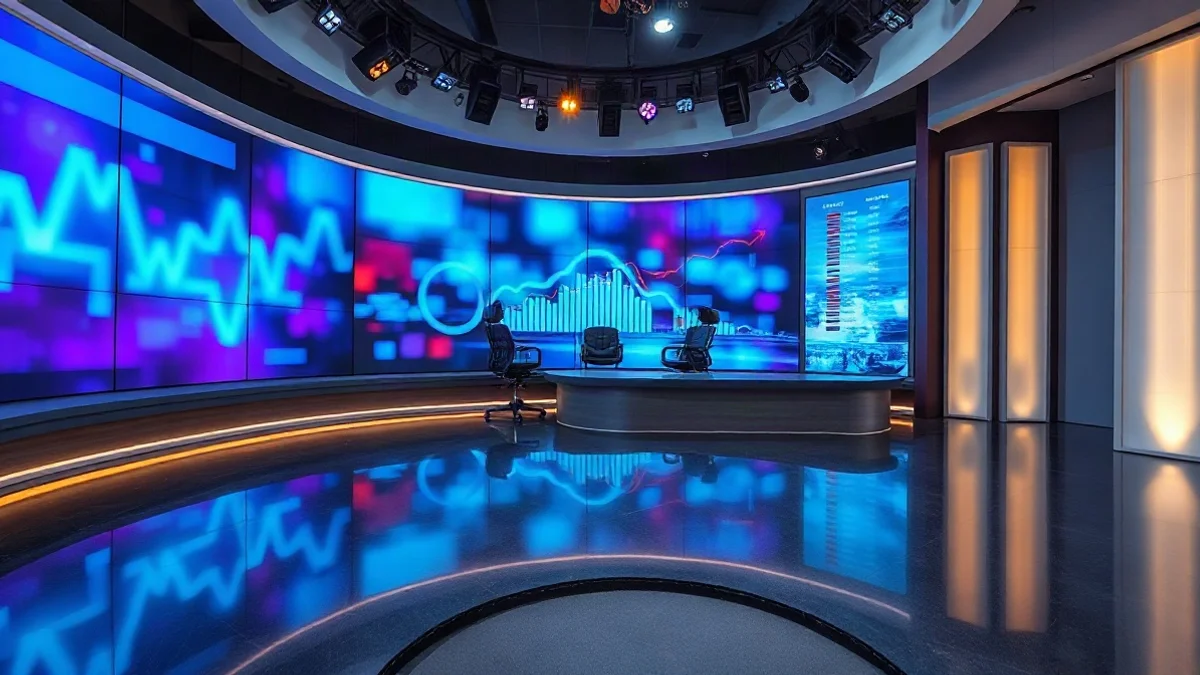
Three weeks after the Knesset elections, television anchor Raviv Drucker publicly acknowledged the polling industry's systemic failure during the campaign, issuing a direct apology to viewers for highly inaccurate electoral forecasts. Opening his "Azor Bechira" program on Reshet 13, Drucker addressed the wide gap between the months-long picture painted by polls and actual election results, admitting that experts still lack a clear explanation for the massive discrepancies.
"It has been three weeks since the elections and we have not yet apologized. You deserve an apology," Drucker stated at the broadcast's opening. "Our polls and exit polls produced the worst results ever. For months we interpreted a reality that was apparently imagined, and worst of all, we still have no idea what caused this major error and therefore we do not know how to fix it." The anchor noted that while surveys successfully identified specific trends, such as the weakening of Shas and the surge of Arab parties alongside a reasonable estimate of the overall balance between coalition and opposition camps, projections regarding Likud's seat count and the inter-bloc balance missed the mark entirely.
Polling Discrepancies Across Broadcast Networks
The polling crisis extended well beyond Reshet 13 as various broadcast networks presented conflicting projections on election night. At 22:00, exit polls broadcast by public and commercial channels indicated an advantage for the Change Bloc, leading several commentators to project that the bloc led by Gadi Eisenkot was on a path to victory. However, as the vote count progressed without double-envelope ballots, the emerging reality showed Benjamin Netanyahu's bloc leading with 53 mandates compared to 48 for the Change Bloc.
In contrast, other networks captured different trajectories in their initial data. Broadcasters utilizing independent pollsters like Tzuriel Sharon and Shlomo Filber projected stronger showings for the right-wing religious bloc from the outset, though those figures also diverged from final certified outcomes. A recurring error across multiple polling institutions involved underestimating both the aggregate strength and voter turnout within Arab communities, where actual results ultimately reached 19 mandates for Arab factions combined, including 11 seats for the Joint List.
The Future of Political Polling
Despite the severe miscalculations, Drucker concluded that abandoning political surveys is not a viable option for media organizations. He argued that public opinion research remains an indispensable tool for analyzing political dynamics and evaluating the potential consequences of decisions made by party leaders.
"So here is my conclusion from this terrible blunder: we must return to conducting and broadcasting polls. Yes, yes, there is no choice," Drucker declared. He emphasized that without quantitative data regarding the balance of power between political camps, assessing prospective scenarios such as repeated elections or the legislative fallout of campaign promises becomes unfeasible. Concluding his remarks, Drucker raised a pressing question for the industry: "We must have polls. Just how on earth do we make them more similar to US polls now, which correctly anticipated most of the blue wave?"