5 Ingenious Tricks to Build a Functional Home Gym Without Breaking the Bank
Discover five brilliant, science-backed tricks to build a functional home gym without emptying your wallet, utilizing resistance bands, household items, and bodyweight exercises.
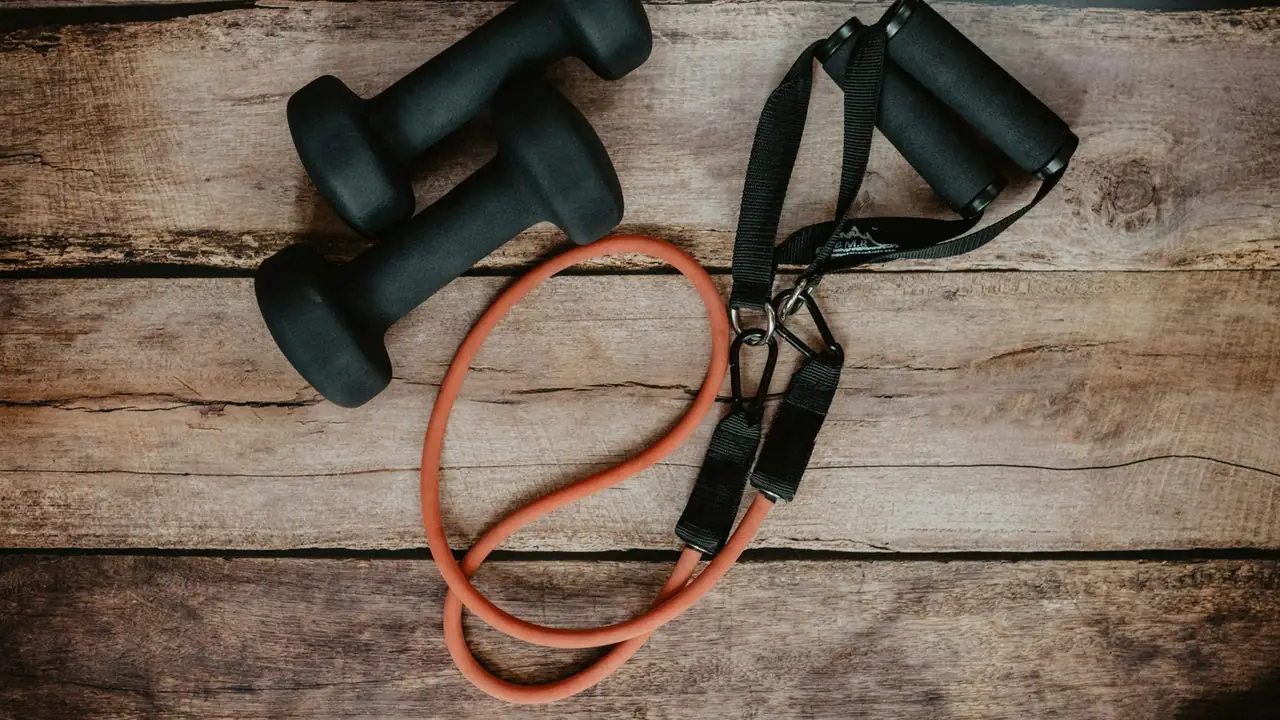
Building a functional home workout corner does not require a costly gym membership, a dedicated room, or an expensive equipment catalog. By focusing on practical alternatives and evidence-based fitness guidelines, anyone can establish an effective training space at home while keeping expenses to a minimum.
Start With Goals, Not Equipment
Official health authorities emphasize that an effective routine targets all major muscle groups twice a week, covering legs, hips, back, abdomen, chest, shoulders, and arms. A successful home workout plan is measured by whether every muscle group receives adequate stimulus twice weekly, rather than by the number of machines cluttering the room.
Resistance bands serve as an affordable and versatile substitute for bulky weight racks. Research published in SAGE Open Medicine found no significant difference in limb strength gains between resistance bands and traditional weight machines, while Harvard Health Publishing highlights their portability, low cost, and ease of storage.
Utilize Everyday Household Items
Walls and sturdy armchairs function as ideal fitness equipment. Evidence reviews commissioned by Public Health England and the Centre for Ageing Better identify bodyweight exercises as some of the most beneficial activities for strengthening muscles and bones anywhere. Standard routines feature wall push-ups, mini-squats, and exercises utilizing a stable, non-rolling chair.
To increase the intensity of home workouts without purchasing professional weights, practitioners can use water bottles or canned goods. Major health organizations recommend holding filled water bottles or sealed soup cans to add resistance during arm curls and upper body movements, allowing beginners to start immediately and evaluate their long-term equipment needs later.
Progressive Overload on a Budget
When standard exercises begin to feel effortless, heavy weights are not strictly necessary to progress. Health guidelines recommend performing 8 to 15 repetitions per exercise, gradually increasing frequency and sets while maintaining a steady two-second contraction and two-second release tempo, alongside a full rest day between sessions.
For resistance bands, intensity can be safely increased by shortening the band or switching to a thicker model, while standard health guidelines suggest increasing the load once a set of 8 to 12 repetitions can be completed with ease.