"The office has turned from an operational tool into a strategic tool"
How new office buildings and business parks have turned from a real estate tool into a tool for recruiting, retaining, and attracting employees. Do hybrid work, competition for employees, and the need to bring people back to the office affect the planning of office towers, business parks, and the tenant experience? We went to check.
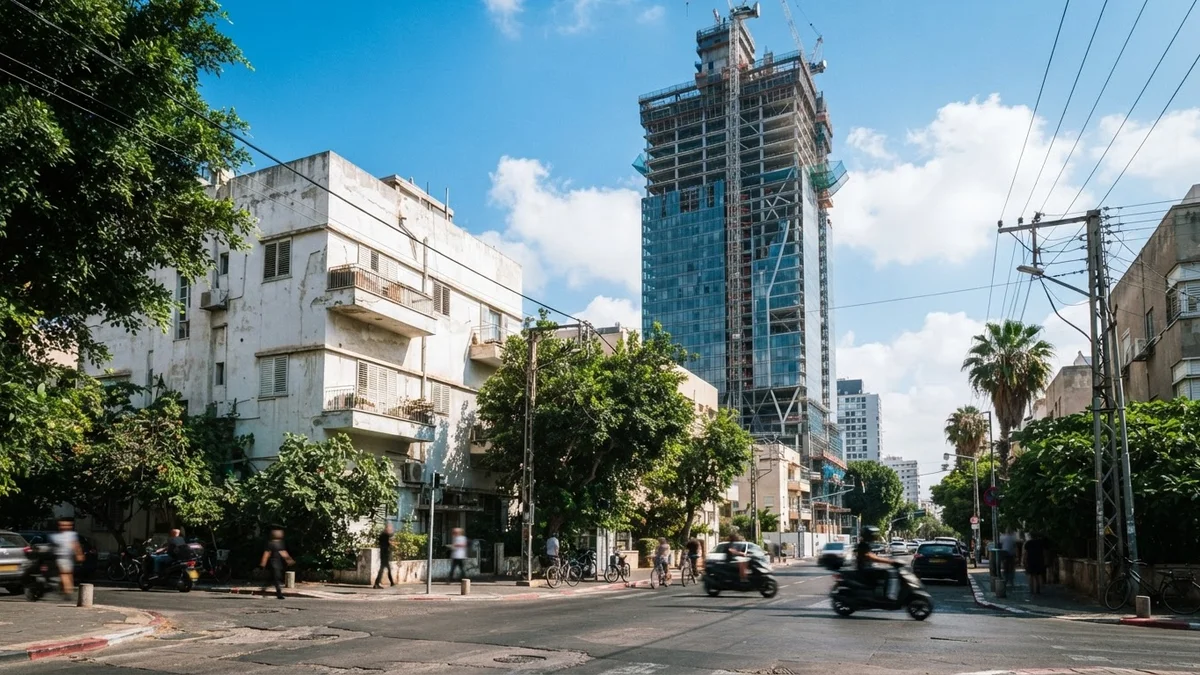
"The change in the world of employment taking place in recent years, and primarily hybrid conduct, has created many ripples and, among other things, changed the rules of the game in the office market," says Uzi Levy, CEO of the real estate group Mivne, which initiates and builds employment parks and office buildings. According to him, if in the past the employee came to the office because it was the default, today the employer must provide a work environment that is attractive enough to leave home for. This means that the real estate asset where the office is located has turned from an operational tool into a strategic tool in human capital management. Companies understand that the work environment affects the recruitment of employees, their retention, their productivity, and the ability to build an organizational culture. The question is no longer just how many meters are rented and at what price, but what added value the complex provides to employees. Leading employment parks are gradually becoming community hubs, because companies understand that the office and the facilities it offers are part of their employer brand.
Eyal Green, CEO of the Atidim Park Tel Aviv, also refers to the change on the ground: "Today's office is no longer just a place of work. In a world where hybrid work has become part of reality, companies understand that in order to attract employees to the office and retain them over time, they need to offer a complete experience beyond office space." Green emphasizes that companies are looking for a work environment that will help them in recruiting, strengthening the sense of belonging, and networking. Therefore, alongside physical infrastructure, there is great importance in creating an active business community through professional events, lectures, and initiatives that connect the employees and companies operating in the complex.
Tzahi Soferin, one of the controlling owners of the Soferin Group, clarifies the changes the industry is undergoing: "The future of the office market will be built around three clear parameters: proximity to the workforce's residence, location on a public transport axis, and Class A buildings with a high health standard. Employers have understood that it is not enough to offer chef meals or team-building days. Today they are looking for a building that provides a whole ecosystem: a healthy environment, private and bright workspaces, and services that upgrade the employee's quality of life."