NATO Rethinks Defense Strategy, Weighs Deep Strikes Inside Russia
NATO is shifting its defense strategy to consider deep strikes inside Russia, abandoning reliance solely on border barriers amid lessons learned from the wars in Ukraine and the Middle East.
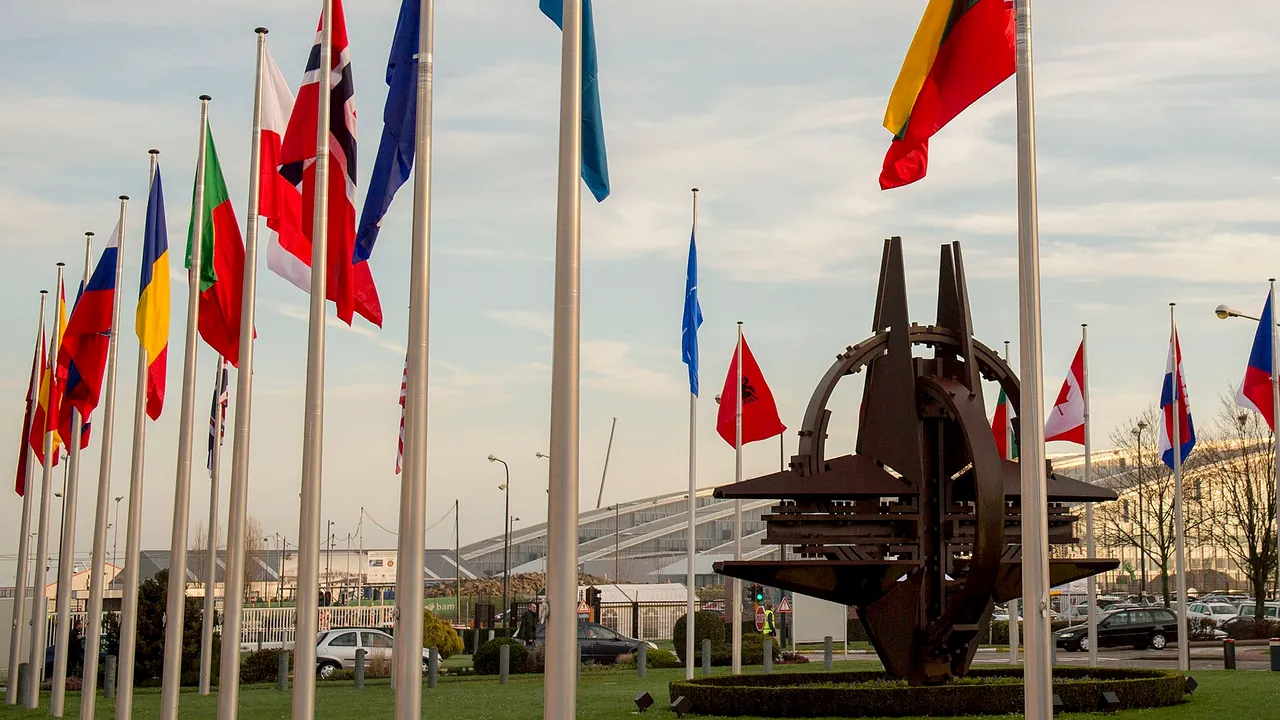
The wars in Ukraine and the Middle East are forcing NATO to rethink its strategy for deterring a potential Russian attack, including removing constraints and striking targets deep within Russian territory. According to a Wall Street Journal report, NATO officers and senior officials gathered in June for a first-of-its-kind conference on deep strikes, led by the alliance's Supreme Allied Commander, U.S. Air Force General Alexus Grynkewich. For decades, NATO's defense posture in Europe relied on halting invading forces at the border, but following nearly five years of war in Ukraine, alliance planners believe a Russian invasion cannot be thwarted solely through border barriers.
Grynkewich detailed his approach in Warsaw, explaining that if a Russian offensive continues after repelling the first wave, the alliance will dismantle the opposing combat system by targeting advancing forces and everything supporting, reinforcing, or commanding them, without escalating to nuclear weapons. The plan relies on long-range precision munitions designed to strike targets from 160 kilometers to thousands of kilometers beyond NATO borders, including military bases, supply depots, industrial facilities, and critical infrastructure. While the United States is upgrading its Tomahawk missile systems, which reach a range of about 2,500 kilometers, and ATACMS rockets, European allies are working to close the gap and replenish their limited stockpiles of Storm Shadow and Taurus missiles, which exceed a 500-kilometer range.
According to Fabian Hoffmann, a senior researcher at the Norwegian Institute for Defence Studies, at least 48 new projects have been announced across Europe to develop cheap cruise missiles, though many will not materialize and others will take years. The new approach, described as targeting the archer rather than defending against the arrows, is already being applied by Ukraine and was adopted this year by the United States against Iran. Kyiv uses domestically produced Flamingo cruise missiles, which reach a range of about 3,000 kilometers, to strike rocket fuel plants, refineries, and data centers in Russia.
"Air defense is like a painkiller, it can alleviate symptoms, but you have to strike the source of the pain," explained Ukraine's Ambassador to NATO, Alyona Getmanchuk. However, doubts remain as to whether European politicians will authorize deep strikes. Nico Lange, former chief of staff at the German Ministry of Defense, pointed to a disconnect between military planning and political decision-makers, who believe defense amounts to building a wall or a drone shield. Conversely, Polish Major General Ireneusz Nowak emphasized in an interview with the Wall Street Journal that defense also means hitting back: "The message must be: do not do anything foolish, because we can punish you. But to be credible, we must possess these capabilities."