Iran Deploys Guerrilla Tactics in Strait of Hormuz to Disrupt Oil Flow
Iran has shifted to guerrilla tactics in the Strait of Hormuz, deploying mines and unmanned drones against oil tankers to pressure the U.S. and boost its regime. The disruptions have driven Brent crude to $102 a barrel and halved regional oil transit.
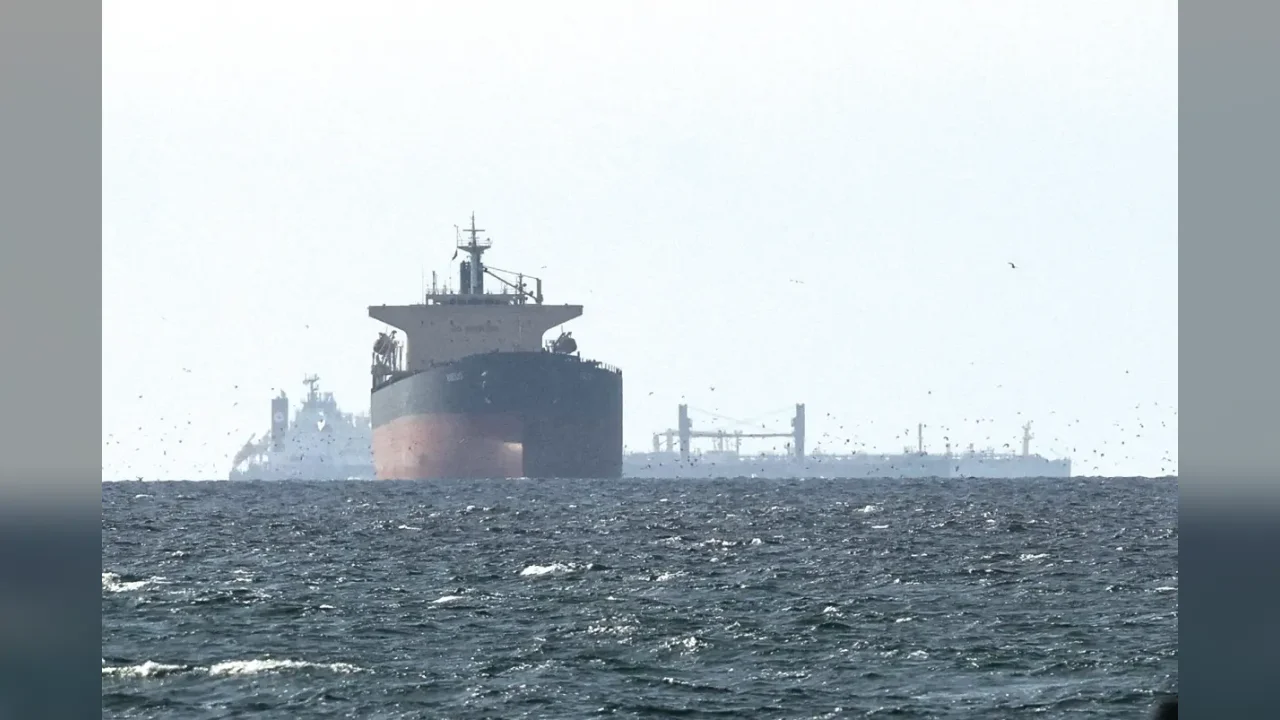
Iran is deploying asymmetric tactics to disrupt oil tanker traffic through the Strait of Hormuz, shifting to guerrilla methods amid stalled negotiations with the United States and domestic regime pressures, according to a Wall Street Journal report. In recent weeks, Tehran has utilized explosive-laden unmanned underwater vehicles, rocket-propelled grenades, and limpet mines attached to commercial vessels in the Persian Gulf.
In response, the U.S. military is conducting daily operations to secure shipping lanes and enforce blockades on Iranian ports, including a strike on Qeshm Island. U.S. Central Command's Vice Admiral Brad Cooper stated after an aerial patrol that the strait was cleared of mines and no Islamic Revolutionary Guard Corps forces were observed. However, United Kingdom Maritime Trade Operations data reveals October marked a post-war high of over 35 incidents, with at least five vessels hit in November.
With much of its conventional fleet sunk and radar systems destroyed, Tehran relies on human spotters operating covertly from civilian fishing boats to relay real-time targeting data. The shadow war has severe economic fallout, driving Brent crude to around $102 a barrel and U.S. gasoline prices to $1.10 per liter. According to Kpler, oil transit through the strait plummeted to 7.8 million barrels per day, roughly 45 percent of pre-war levels, while the International Energy Agency reports shipping costs to Asia surged fivefold to $37 a barrel.