The name that came up in Netanyahu's closed-door conversations: This is the man who could lead the ouster move in Likud
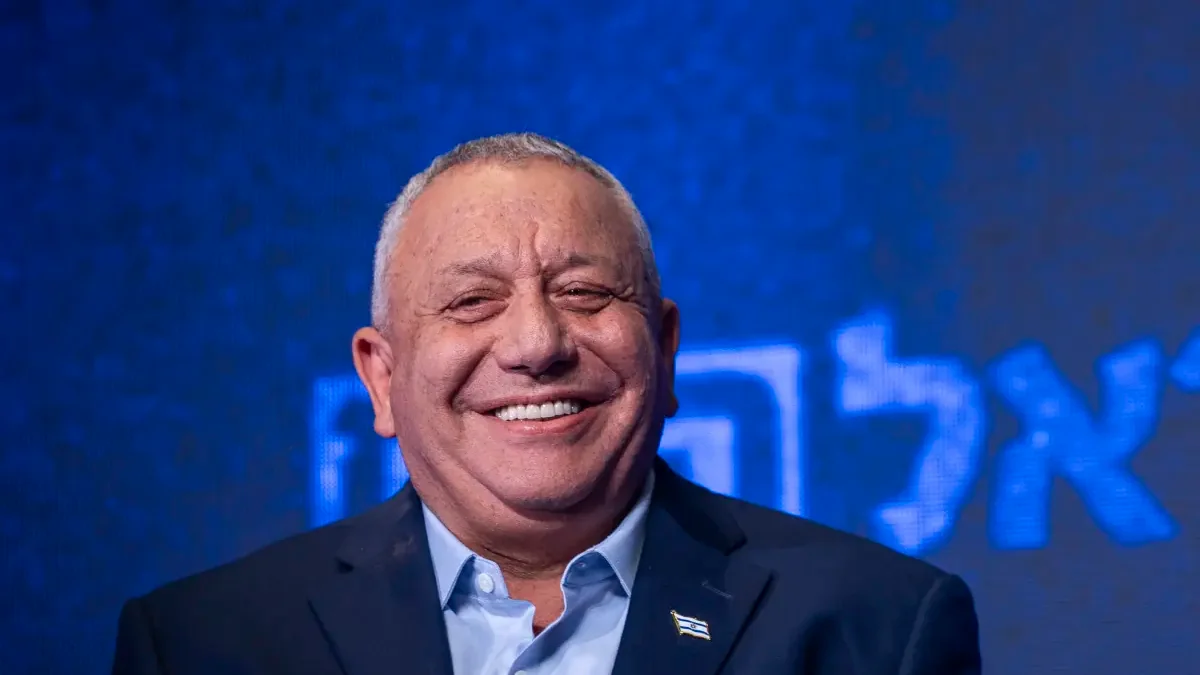
In the Prime Minister's circle, there is fear that MKs who are pushed out in the primaries will take revenge by supporting a constructive vote of no confidence. The main name that came up in closed-door conversations as someone who might lead the ouster move from within Likud: Yuli Edelstein.
In Likud, they are already preparing for the day after the primaries, and in the circle of Prime Minister Benjamin Netanyahu, they are trying to reduce in advance the risk that incumbent MKs who are pushed out of the list will become a focus of political organization against him. Against this background, Netanyahu is holding personal conversations with MKs, intended, among other things, to understand what occupies them and what they intend to do in case they are not elected to a realistic spot.
According to sources in Likud, Netanyahu does not want to reach a situation where his first conversation with an MK who lost in the primaries takes place only after the loss. The assessment is that after a personal conversation has already taken place, it will be easier for him to return to those who are not elected, hear from them how they intend to act, and examine what can be done regarding them.
Behind the conversations also lies a clear political fear: that MKs who lose in the primaries, remain outside the list, and feel hurt, will become a target for attempts to recruit them for a move against Netanyahu even before the elections, including the possibility of a constructive vote of no confidence. Those MKs will continue to serve in the outgoing Knesset until the elections, even after they know they were not elected to a realistic spot on the Likud list. This possibility comes up in internal conversations in Netanyahu's circle, but for now, there is no indication of an organized move that is already taking shape.
In these conversations, the name of Yuli Edelstein also came up as an example of a figure around whom MKs might organize in such a scenario. According to sources familiar with the details, Edelstein does not intend at this stage to resign from the Knesset — a fact that raises a fear in the Prime Minister's circle that he might become a figure around whom an initiative for a constructive vote of no confidence will organize.
The fear also connects to the growing tension around the composition of the Likud list. As reported yesterday in "Maariv", the ban on the candidacy of incumbent and former MKs, ministers, and deputy ministers within the slots allocated for districts has caused anger and frustration in recent weeks among ministers and MKs in Likud, as many of them fear they will not be part of the next list.
In the background is also the establishment of the "Unity" party led by Gilad Erdan last week, together with MK Yuli Edelstein. After the announcement, a number of incumbent MKs and candidates in the Likud primaries, disappointed by Netanyahu's reserved spots and the change in the primary system, approached figures in Erdan's circle and probed the possibility of joining the party.
Those MKs also rely on the findings of a "Maariv" poll, conducted in the last week by the "Agam" institute, according to which 14% of Likud voters say there is a high probability they will vote for Erdan's "Unity" party.
Sources familiar with the details say that in Erdan's circle, they are examining the inquiries. However, it was clarified to those interested that anyone who joins the party will be required to commit to its basic principles, including a commitment not to sit in a narrow government, the promotion of real recruitment of Haredim to the IDF, and national service for Arabs. The "Unity" party responded: "We will not comment on things said in closed-door conversations."
Meanwhile, the possibility that Netanyahu will eventually give up a significant part of the reserved slots that were at his disposal is also related to his desire to reduce the number of incumbent MKs who will be pushed out. Giving up some of the reserved spots will leave more places for those elected in the primaries and will increase the chance of additional incumbent MKs to integrate into the list.
According to sources in Likud, to this is added the fact that Netanyahu has not yet managed to recruit a series of prominent figures to the list, as well as the decision of the "Democrats" chairman Yair Golan to give up the right of reserved spots in his party — a move that is mentioned in conversations in Likud as a factor that might also influence Netanyahu's decision. The decision on how many reserved slots the Prime Minister will use in practice is expected to be made in accordance with the results of the primaries and the balance of power that will be created as a result of them.