The crash of fashion giant Shein: company value plunged by 70%
Just before the dramatic IPO in Hong Kong, the online retail giant is forced to settle for an exceptionally low valuation and reports a shift to a quarterly loss of 99 million dollars.
Fast fashion giant Shein is launching an initial public offering (IPO) on the Hong Kong Stock Exchange, in a move that clearly illustrates the change the company has undergone in recent years. The company is seeking to raise up to 13.86 billion Hong Kong dollars (about 1.77 billion US dollars) through the sale of 280 million shares.
According to a Reuters report, the price range set for the IPO is 47.60 to 49.50 Hong Kong dollars per share. Based on the upper price, the company's value is expected to be around 27 billion dollars. This is a dramatically lower figure compared to the value at which Shein was estimated in the private market in previous years.
In 2022, the company was valued in private funding rounds at about 98.2 billion dollars. In 2023 and April 2024, the value had already dropped to about 64 billion dollars. Ahead of the current IPO, Shein also hoped to reach a value of 30 to 40 billion dollars, but after cold reactions from investors, it was forced to settle for only 27 billion dollars.
The gap between the current value and the peak reflects a decline of about 70% and illustrates the company's difficulty in convincing the market that it is capable of returning to the growth rate that characterized it in the past. Shein, which has become one of the most prominent players in the online fashion world thanks to extremely low prices and sales in 160 countries, is currently facing a series of significant challenges.
One of the central ones is the slowdown in revenue growth. In the first quarter of 2026, the company's revenue growth amounted to only 1.1%, with similar growth expected in the first half of the year. At the same time, the company shifted to a quarterly loss of 99 million dollars.
The damage to results is related, among other things, to changes in trade costs. The cancellation of the customs exemption in the USA for small packages, new import costs in Europe, and price pressures are hurting the business model on which Shein has relied for years. The company is also forced to deal with increasing regulation, intense competition in the global e-commerce market, and a decline in demand in the Middle East against the backdrop of the war with Iran.
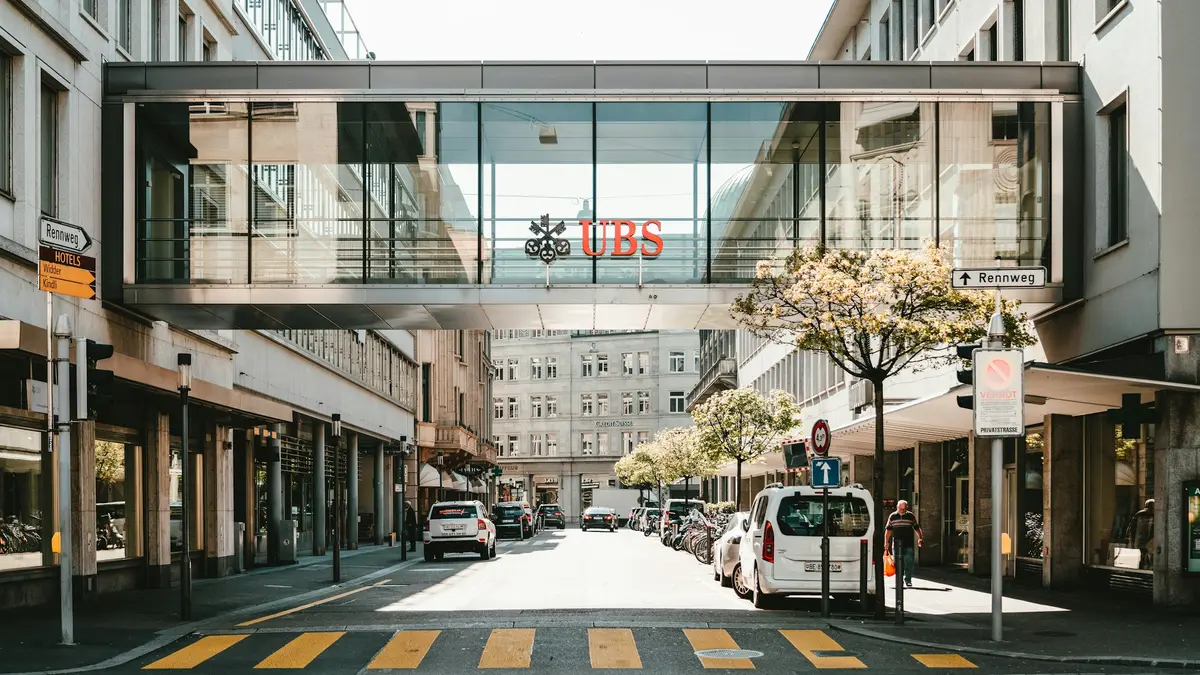
Despite the difficulties, Shein still enjoys the support of significant investors. Anchor investors, including existing investors such as Boyu, Tiger Global, and General Atlantic, have committed to purchasing shares worth 383 million dollars. Among other prominent investors are Tencent and the asset management arm of the Swiss banking giant UBS.
One of the prominent features of the IPO is the control structure. The shares offered to the public in Hong Kong will grant voting rights amounting to only one-tenth of the voting rights of the founders' shares. As a result, the founders, led by Chris Xu (known as Sky Yangtian Xu), are expected to continue to hold 90% of the voting rights in the company.
Shein plans to direct about 80% of the funds it raises in the IPO to improving technology, strengthening the brand, and expanding international operations. The final price of the share is expected to be set on August 31, and trading in the share is scheduled to begin on September 1, 2026.
Despite the significant cut in value, this is still the largest IPO in Hong Kong in 2026 and the third largest in Asia that year. Thus, the IPO also becomes a significant test for the Asian market and the willingness of international investors to inject capital into companies operating in the Chinese arena.
Shein's path to the stock exchange was long and complex. The company previously explored the possibility of listing its shares in New York and London, but the plans did not materialize, partly due to pressure from American lawmakers to investigate allegations regarding the use of forced labor in the company's supply chain, as well as due to geopolitical tensions between the USA and China.
The move to Hong Kong highlights the close connection between economics, regulation, and geopolitics. At the same time, the drop in the company's value from 98.2 billion dollars in 2022 to 27 billion dollars today illustrates how much the market environment has changed. The model that made Shein a global giant during the COVID period is now facing a significant test, as regulatory changes, trade costs, and increasing competition force the company to deal with a completely different business reality.