Israel Land Authority Faces 60% Plunge in Land Marketing and Housing Tenders
The Israel Land Authority faces a severe 60% drop in land marketing compared to its peak, threatening future housing supply and risking a new surge in real estate prices.
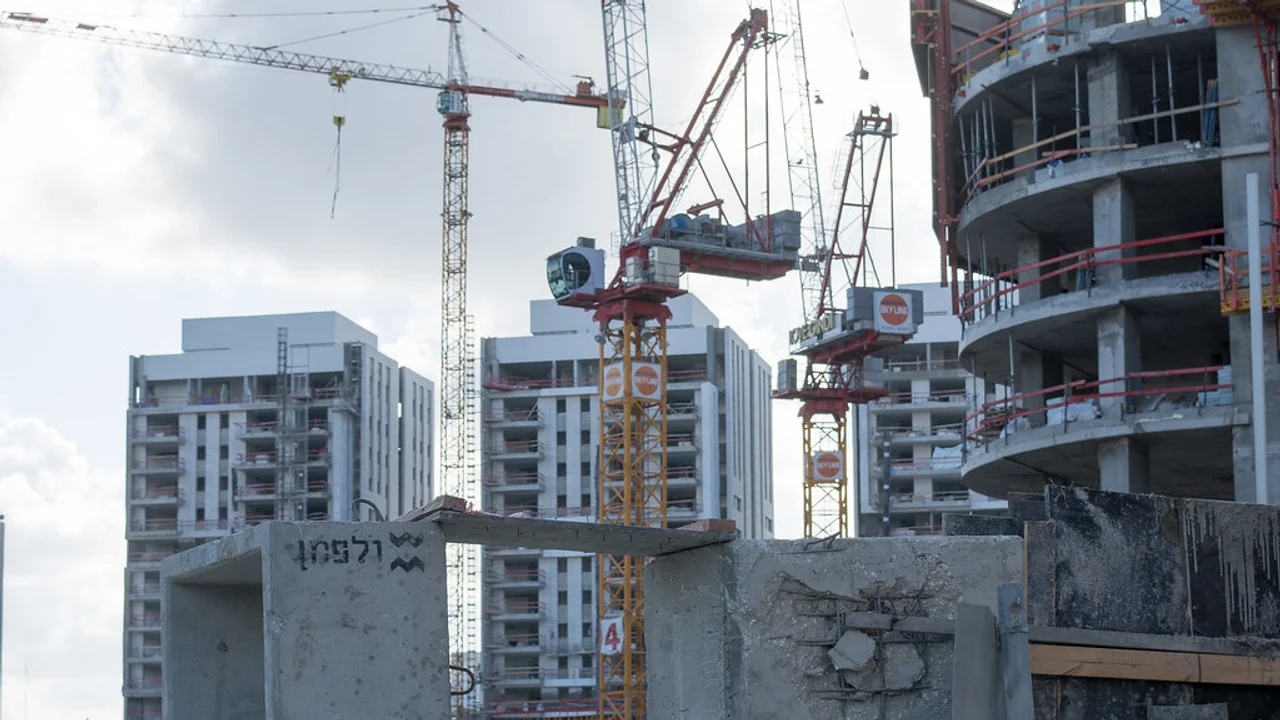
The Israel Land Authority is facing a severe downturn in land marketing for residential construction, with projections indicating a drop of up to 60% compared to its historical peak. Nearly a year after the departure of former Director General Yanky Quint, the agency continues to operate without a permanent head. Yehuda Eliyahu is currently serving as acting director, though industry analysts note his permanent appointment depends heavily on the political landscape and the tenure of Prime Minister Benjamin Netanyahu.
Plunging Tender Numbers and Housing Units
Data covering the current year reveals a sharp contraction in high-density residential tenders. Up to this point, authorities have held 75 high-density tenders encompassing approximately 33,300 housing units, with two tenders canceled. By comparison, the entirety of 2025 saw 123 tenders and the successful marketing of roughly 60,700 new housing units out of approximately 92,000 offered. Even when factoring in the traditional year-end surge in marketing activity, current projections indicate that the year will close with significantly depressed figures.
Looking back at peak performance years, such as 2021 under Quint's leadership, the agency successfully marketed over 100,000 housing units. The projected total for the current cycle represents a 60% collapse from that record high and roughly a 50% decrease compared to standard pre-slowdown averages. Specifically, high-density construction tenders saw a 21% drop in published tenders, falling from 97 to 77, alongside a 15% reduction in marketed housing units.
Long-Term Impact on Housing Supply
While officials report increases in land marketing for subsidized housing programs like Discounted Apartment and low-density plots, high-density construction remains the primary metric for future housing supply. High-density plots yield a higher volume of apartments per parcel, which, alongside urban renewal initiatives, dictates future market inventory. According to the national strategic housing plan, Israel requires 65,000 completed apartments annually to meet demographic demand.
This intricate pipeline begins with strategic planning and proceeds through land marketing by the authority. A sustained deficit in marketed land directly reduces future completed housing inventory, threatening to trigger a severe supply shortage. Market observers warn that a prolonged deficit mirrors conditions from the late 2010s, which ultimately drove the sharp escalation in housing prices observed between 2021 and 2022.