How a Father's Solo Protest Sparked Israel's National Celiac Rights Movement
A father's 2014 protest over soaring gluten-free prices evolved into the Israel Celiac Rights Organization, transforming food accessibility, school catering, and hotel vacations nationwide.
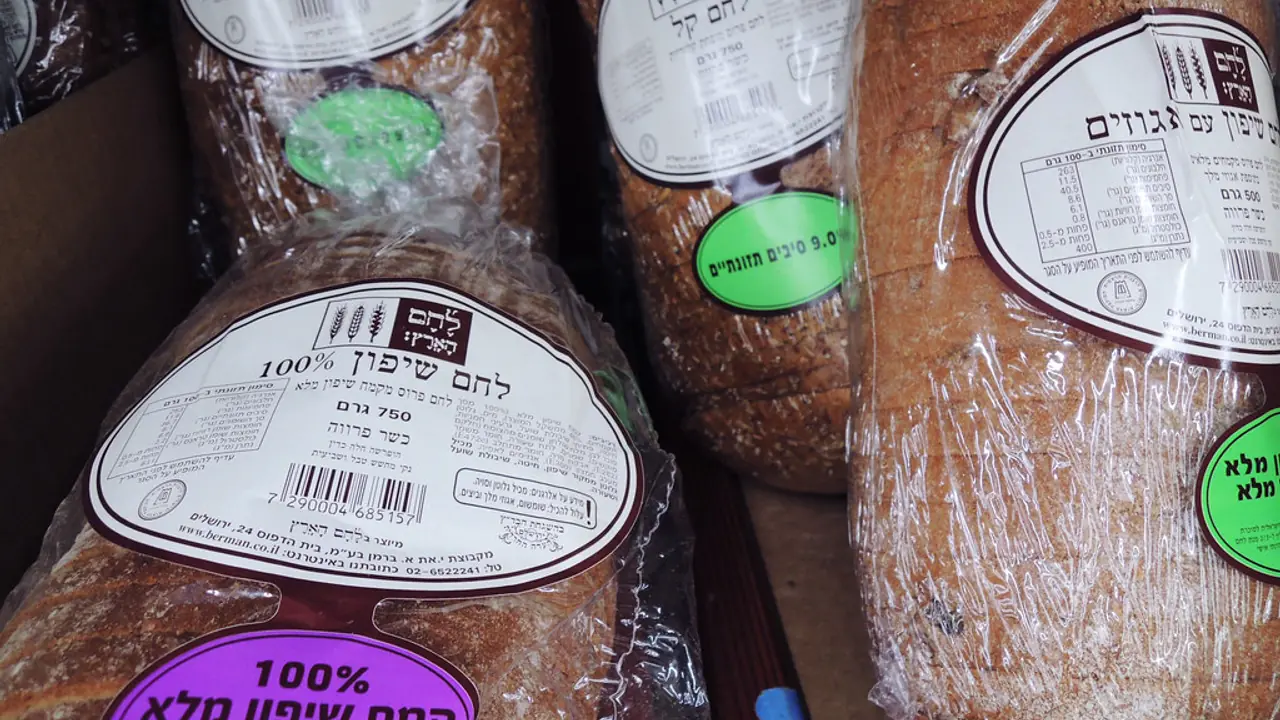
A father's quiet frustration over exorbitant food prices in September 2014 catalyzed what would become a nationwide movement for celiac rights in Israel. Dan Solomon, sitting at home and watching protests over consumer goods, looked at the reality faced by his middle daughter, who had been diagnosed with celiac disease at age six. At the time, essential gluten-free products carried staggering price tags: a kilogram of flour cost between 40 and 60 shekels, while a small package of pasta or bread hovered around 20 shekels each.
From Solo Protest to Organized Advocacy
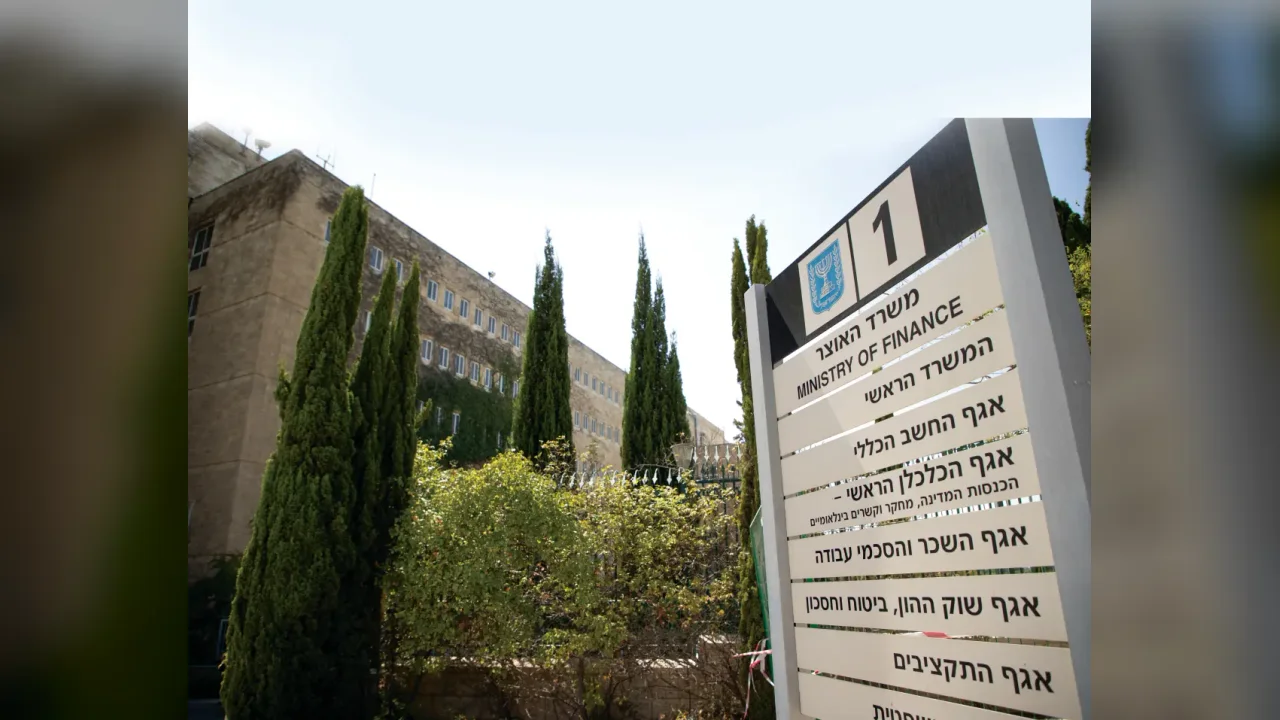
Determined to challenge the financial burden placed on families with no alternative dietary choices, Solomon told his children aged nine and eleven that they were going to have a civic education lesson with their father. The trio crafted handmade signs and traveled to Jerusalem, staging a solo demonstration outside the Ministry of Finance. After facing initial skepticism and police presence, the protesters caught the attention of then-Minister of Finance Yair Lapid, who stopped to listen. A photograph posted by Solomon on social media quickly went viral.
"I sat in front of the screen and asked myself, where is the outcry of celiac patients? Why is nobody addressing the cost of living for families who have no option to choose whether or not to buy this food?"
Within days, other families joined the demonstrations, drawing intense media interest and prompting a discussion inside the Knesset Committee on Economic Affairs within a month. Recognizing that sustainable impact required structured teamwork, Solomon and fellow advocates established the Israel Celiac Rights Organization in April 2015. Today, the organization encompasses more than 5,000 members, roughly 50 dedicated volunteers, and a digital community numbering over 55,000 followers.
Expanding Access Across Sectors
Over the subsequent years, the organization systematically dismantled barriers across multiple public domains, collaborating with the Ministry of Education, the IDF, and healthcare providers. Dedicated working teams pushed for formalized administrative guidelines in schools, secured accessible gluten-free nutrition during youth delegations to Poland, improved hospital catering, and enhanced dietary options in military bases and after-school childcare programs. The organization's medical team also advanced tenders for subsidized flour featuring improved nutritional composition.
Regulatory reforms constituted another major pillar of the organization's work. Collaborating with the food service division, food manufacturing associations, and the Knesset Health Committee led by MK Yoni Mashriki, advocates secured updated labeling requirements. Manufacturers can now utilize HACCP systems and Ministry of Health approvals rather than costly GMP requirements, significantly expanding the variety of labeled gluten-free products on supermarket shelves. Furthermore, concerted efforts helped introduce accessible flour mixtures priced between 20 and 26 shekels per kilogram, although parliamentary reviews in May 2026 indicated that flour subsidy budgets remained partially underutilized.
Transforming Vacations and Academic Research
Beyond basic groceries, the organization tackled social exclusion by partnering with the hospitality industry. Initial outreach to hotels was met with widespread rejections until the Coral Beach Hotel in Eilat under the Fattel chain agreed to host a dedicated gluten-free weekend in 2018 with 110 rooms. By 2024, the initiative expanded across five different hotels in Eilat, encompassing approximately 2,500 rooms, with projections approaching 2,600 rooms for the tenth vacation event in February 2027.
The remarkable trajectory of the movement attracted academic scrutiny. Dr. Omri Shamir, a senior lecturer at Ashkelon Academic College and public policy researcher, joined forces with Prof. Assaf Meidan to analyze how a grassroots family protest transformed into institutional public policy. Published in the journal Social Sciences, their research highlighted that framing celiac disease as a matter of social justice, human rights, and food security proved pivotal. Shamir noted that Solomon operated with authentic dedication without relying on professional political consulting.
Confronting Undiagnosed Cases
Looking forward, the organization's leadership is turning its focus toward thousands of Israelis who live with undiagnosed celiac disease. Advocates argue that HMOs must proactively improve detection rates by training physicians to recognize atypical symptoms and utilizing electronic health records to identify patients who require clinical follow-up. Internal data from Clalit Health Services in June 2025 revealed discrepancies between patients categorized under broad celiac definitions and those registered under primary diagnostic codes, illustrating a broader systemic under-reporting issue. Twelve years after its inception, the movement continues to evolve from a father's protest into a comprehensive professional apparatus safeguarding public health and nutritional security.