Rami Levy Enters Automotive Sector Talks to Offer Affordable Vehicles
Rami Levy is negotiating a partnership with a vehicle importer to enter Israel's car market and offer financing, aiming to reduce consumer prices and expand retail services.
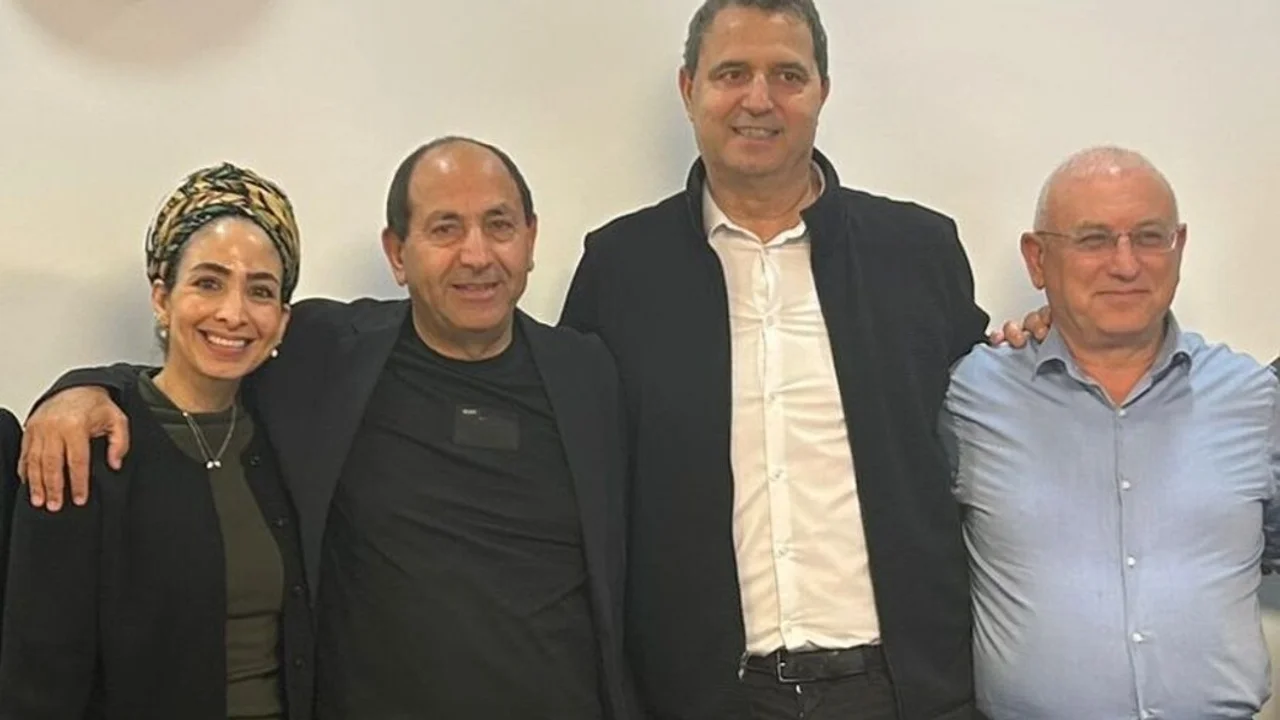
Rami Levy is exploring a direct entry into the Israeli automotive sector through a strategic partnership with an established vehicle importer, aiming to lower consumer costs.
Speaking at the Shtir Group Food Retail Conference held at Expo Tel Aviv, company founder and CEO Rami Levy and co-CEO Yafit Attias outlined ambitious expansion plans. These include growing operations abroad, leveraging an expanded non-bank credit license from the Capital Market Authority, and scaling up car sales initiated roughly six months ago via the Rami Levy Stock retail chain.
Expanding Automotive Operations
Attias noted that offering Chinese BAIC brand vehicles through the subsidiary chain has successfully opened a fresh market segment. "It sells and it works relatively well," Attias said. "I think we opened this market and we will advance further in it. We are working on it so that ultimately we will be marketers."
Elaborating on the strategy, Levy clarified that the company does not intend to become a standalone vehicle manufacturer or independent importer, but will instead forge alliances with current market players. "We are negotiating so that we will also be the importers of this thing, and then, all the way through, we can continue to provide our services to those people who buy vehicles," Levy stated. He emphasized the importance of first-hand sourcing to reduce consumer prices and stressed that selling cars requires comprehensive after-sales infrastructure. "We must do a partnership here with whoever has these services, and we are in negotiations and I believe we will reach some arrangement on this issue," he added.
Financial Services and Retail Growth
Attias explained that the Rami Levy Stock brand emerged from a desire to expand non-food retail offerings across large retail floors. While standard supermarket branches average 2,500 to 3,000 square meters, the stock subsidiary accommodates diverse home goods, children's products, and vehicles.
Looking toward financial expansion, Levy highlighted the recent regulatory approval from the Capital Market Authority to provide non-bank credit, noting it will eventually enable the group to finance vehicle purchases directly. "We will lend to anyone who wants, but once we received approval to grant loans, it will be easier for us to talk to the consumer and give them access to loans that are hard for them to get elsewhere," Levy said. He added that the group aims to compete effectively with traditional banking institutions by leveraging lower borrowing costs.
Addressing broader economic conditions, Levy reported that retail prices rose by only 1.25%, gross profit margins eroded, and private label products accounted for 28% of total sales. He also addressed ongoing workforce challenges, noting that while automated checkouts eliminated 700 cashier positions, the chain still faces a shortage of one thousand workers. Attias reaffirmed the company's commitment to affordability, stating that the enterprise originated from a financially vulnerable family background and remains focused on value rather than excessive profit margins.