The security bill that Israel still does not know how to pay
The security establishment is demanding 183 billion shekels for 2026, far exceeding the original 112 billion budget. This has sparked a major conflict with the Ministry of Finance amid concerns over civilian spending.

As imaginary as the number may seem, the security establishment is demanding a massive sum of 183 billion shekels in 2026, compared to the original approved budget of 112 billion shekels. According to the Nagel Committee for examining the defense budget for the coming decade, the defense budget for this year was supposed to stand at 96 billion shekels — 87 billion shekels less than the current budget — and the end is not in sight.
-
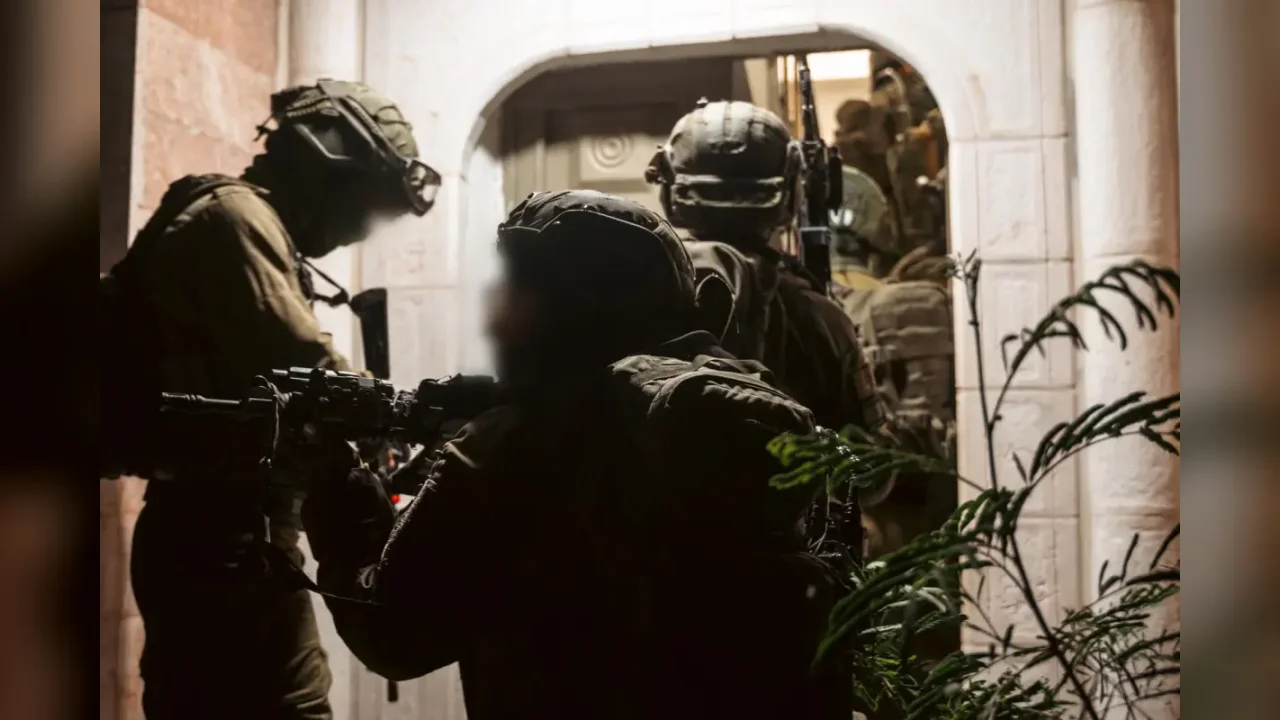
The security establishment arrived prepared for the "battle" this time as well against the Ministry of Finance, which opposes this sum in principle — as long as adjustments (cuts or tax increases) are not made. It is hard to argue with the picture described by the IDF. They claim that since the Nagel plan was set, the IDF has seized about 800 additional square kilometers — about 600 in Lebanon and about 230 in Gaza, an area the size of Singapore. The formula is simple: whoever adds tasks must also add inputs. The operational argument is concrete: land ammunition stocks are depleted, tanks are sitting without engines because the rate of attrition is higher than the rate of repair. Production lines that worked at an emergency pace are depleted, and restoring them will be much more expensive than maintaining them.
-
The new reality imposed by the political echelon — first and foremost the Prime Minister, who made the buildup of the IDF his central election promise — has caused an open war with the Ministry of Finance again. And yet, there are some things that both sides see identically. First, the IDF clarifies that 12.5 billion shekels — out of the 50 billion shekels increase announced by the Prime Minister — are intended for public diplomacy (hasbara), not for security. In addition, out of this sum, there are 50 billion shekels that originate from "internal revenues" — which the Ministry of Finance will not actually budget.
-
The security establishment's argument is that these numbers are derived from the situation, and when the situation stabilizes, they will go down. The problem is that stabilization is not symmetrical to the rise. If it is decided in two years to drop to 120 billion shekels, this means a cut of more than 60 billion shekels in one year. In systemic terms, this is not a "budget update," it is a budget "shock." A system that has become accustomed to a certain level of spending does not shrink back to it by a budget decision, it shrinks through a crisis.
-
The issue of efficiency in the IDF is the sharpest example of the gap. The security establishment claims that an orderly plan has existed since the Brodet Report and that it yields about 2 billion shekels per year. However, the Ministry of Finance demands "cuts" — internal expenditure reduction, while the IDF also talks about external sources such as expanding production lines funded by other countries.
-
The problem is more severe, and it lies outside the security establishment's field of vision. OECD data for 2023 places Israel in an exceptional position regarding primary civilian spending (health, education, transport), which stands at 31.1% of GDP compared to the OECD average of 41.2%. Israel is ranked third from the bottom. Every shekel that is now directed to multi-year buildup without an identified funding source is taken from a category that is already at the bottom of the ranking. Instead of an orderly budget process, the decision is made first, and the bill is presented later.