Kaplan Medical Center Implants Novel Defibrillator in 18-Year-Old Wrestler
An 18-year-old competitive wrestler from Rehovot received a novel extravascular defibrillator at Kaplan Medical Center after suffering a cardiac scare during training.
An 18-year-old competitive wrestler from Rehovot has become the first patient at Kaplan Medical Center to receive a novel extravascular implantable cardioverter-defibrillator (EV-ICD) after experiencing a sudden cardiac scare during routine training.
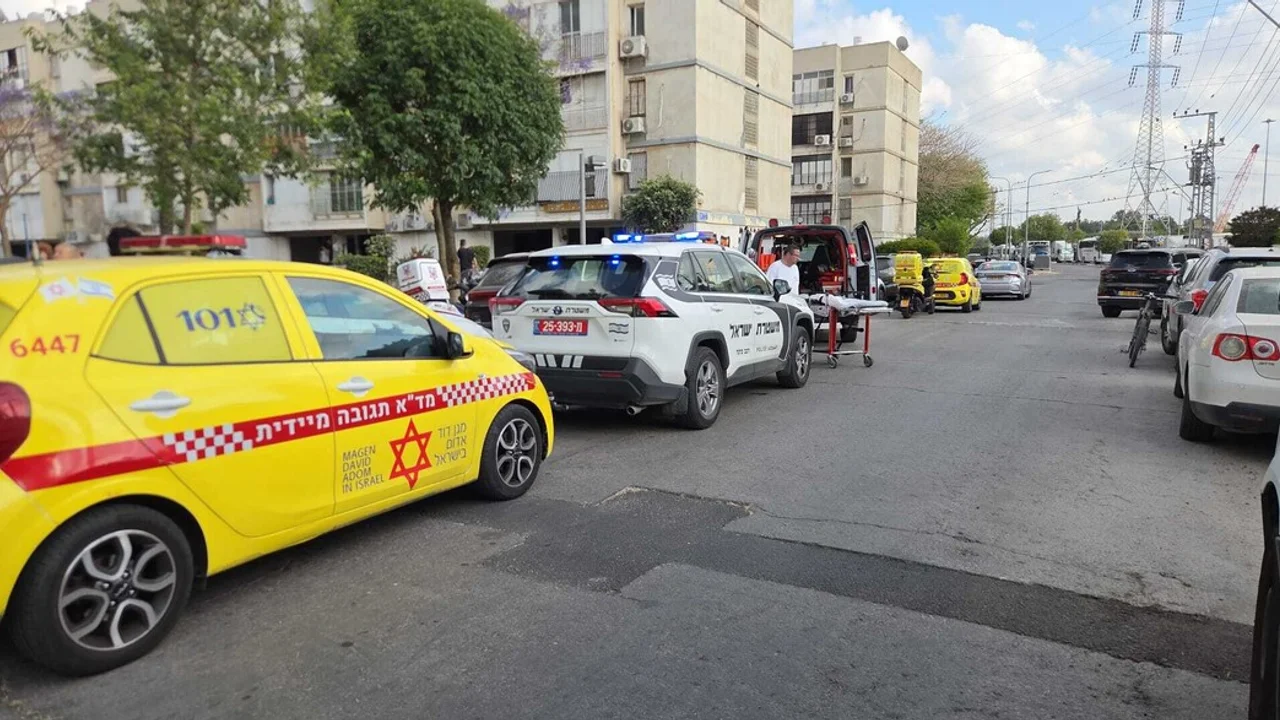
The teenager, whose identity remains confidential, has practiced competitive wrestling for six years, training five times a week. During a recent session, he experienced severe dizziness and rapid heart palpitations that persisted for roughly half an hour, prompting him to ask a parent present at the session to call an emergency ambulance.
Emergency responders evacuated the athlete to Kaplan Medical Center, where initial emergency department blood panels revealed elevated cardiac enzyme markers indicating potential heart muscle strain. Subsequent examinations and an MRI scan during a week-and-a-half hospitalization led to a diagnosis of a myocardial condition carrying risks of life-threatening arrhythmias.
Innovative Cardiac Device for Young Patient
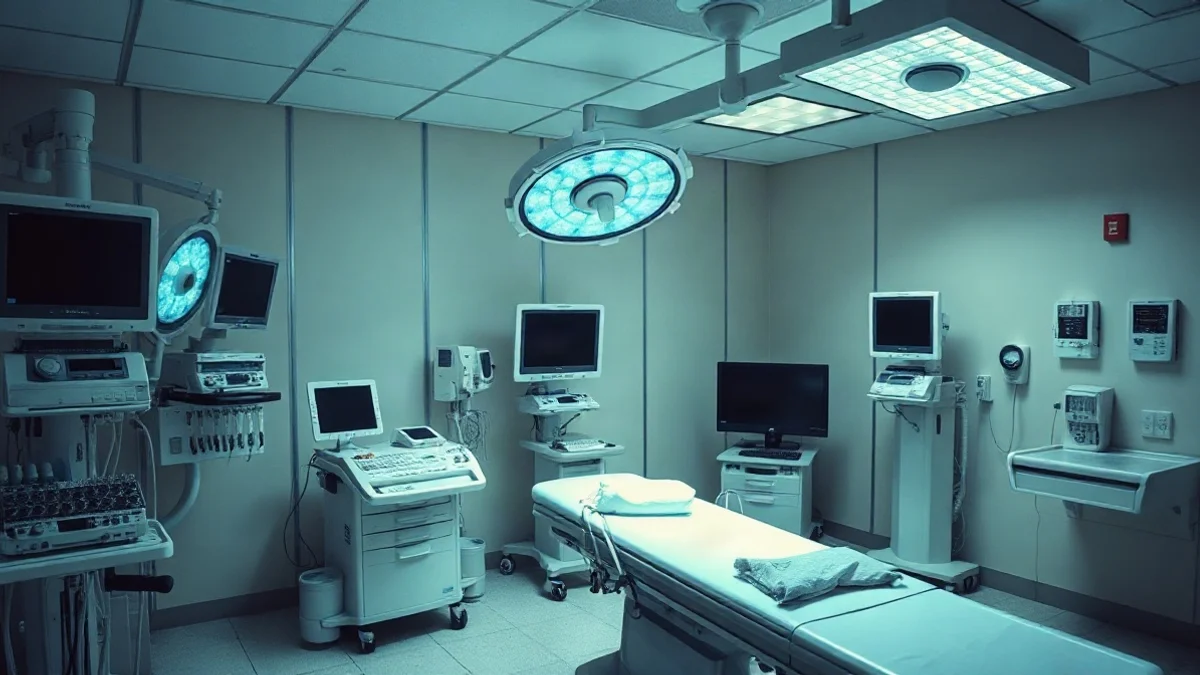
Faced with treating an 18-year-old patient, medical staff opted for an advanced EV-ICD system. Unlike traditional defibrillators that thread leads directly through veins into the heart chambers, this system places the electrode beneath the sternum, outside the vascular network and heart muscle.
Dr. Lorin Schwartz, director of the electrophysiology unit at Kaplan, emphasized the long-term perspective required for youthful patients. Placing the lead outside the veins preserves vascular integrity and minimizes long-term complications associated with intracardiac leads, a crucial factor for a young person expected to rely on the device for decades.
The device detects dangerous arrhythmias and delivers an electrical shock to restore normal rhythm, while also providing rapid pacing to terminate specific rhythm disorders without shock delivery, alongside temporary pacing capabilities.
Lifestyle Adjustments
The diagnosis forces a profound shift in the young athlete's daily routine. Reflecting on the abrupt halt to his rigorous training schedule, he acknowledged the difficulty of stepping away from the sport that defined his weekly routine while adjusting to the new medical reality.