New Poll Reveals Deep Voter Divisions Over Likud And Yashar Coalition Paths
A new Kantar Institute poll reveals deep divisions a month after the Knesset elections, with 27% favoring new elections and stark gaps between Likud and Yashar! voters on unity and coalition options.

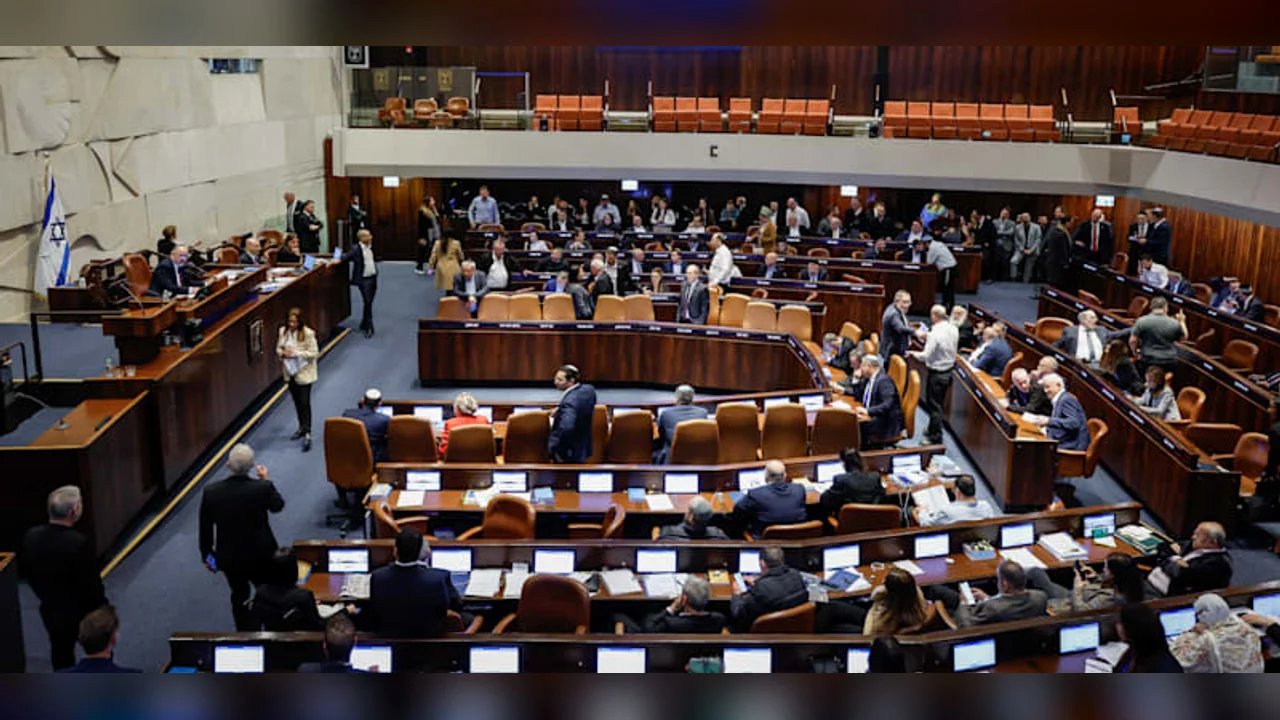
A public opinion poll conducted by the Kantar Institute paints a complex political landscape one month after the elections for the 26th Knesset. While voters remain firm in their electoral choices and largely unrepentant, the survey reveals a fractured public with no clear majority backing any single path toward forming a stable government.
Voter Preferences and Coalition Scenarios
When asked to select a preferred governance option, 27 percent of respondents favored holding fresh elections, marking the highest individual share though falling far short of a majority. A government formed by the Change Bloc supported externally by Arab parties followed closely with roughly 25 percent. Three alternative configurations each drew about 13 percent support among the general public.
Political divisions sharpen considerably when examining specific voter bases. Among Likud supporters, 78 percent back returning to the ballot box. Conversely, only 19 percent of supporters of Gadi Eisenkot's Yashar! party favor new elections, with a mere 11 percent preferring it over other alternatives. This dynamic grants Prime Minister Benjamin Netanyahu solid backing for a prolonged political standoff, while Eisenkot faces an electorate eager to forge a compromise within the existing Knesset.
The Deadlock Over Rotation and Unity
Attempts to broker a unity government encounter steep structural resistance from both electorates. Among Likud voters, 65 percent support a rotation agreement placing Netanyahu first and Eisenkot second, but backing plummets to 21 percent if the order is reversed. Eisenkot's base shows even stronger resistance: only 30 percent support a rotation where he serves first and Netanyahu second, while 63 percent oppose it. Support among Yashar! voters drops to 10 percent if Netanyahu takes the initial term.
Compromise emerges on other fronts, particularly regarding religious parties. Approximately 57 percent of Yashar! supporters back a government including ultra-Orthodox factions, with 35 percent identifying it as their single preferred outcome.
The Arab Parties Dilemma
Reliance on Arab parties exposes a significant societal fault line. Within the Change Bloc, external reliance on Arab factions commands a 54 percent majority. Across the broader public, however, opposition reaches 58 percent against 36 percent support, underscoring the deep public friction such a political arrangement entails.