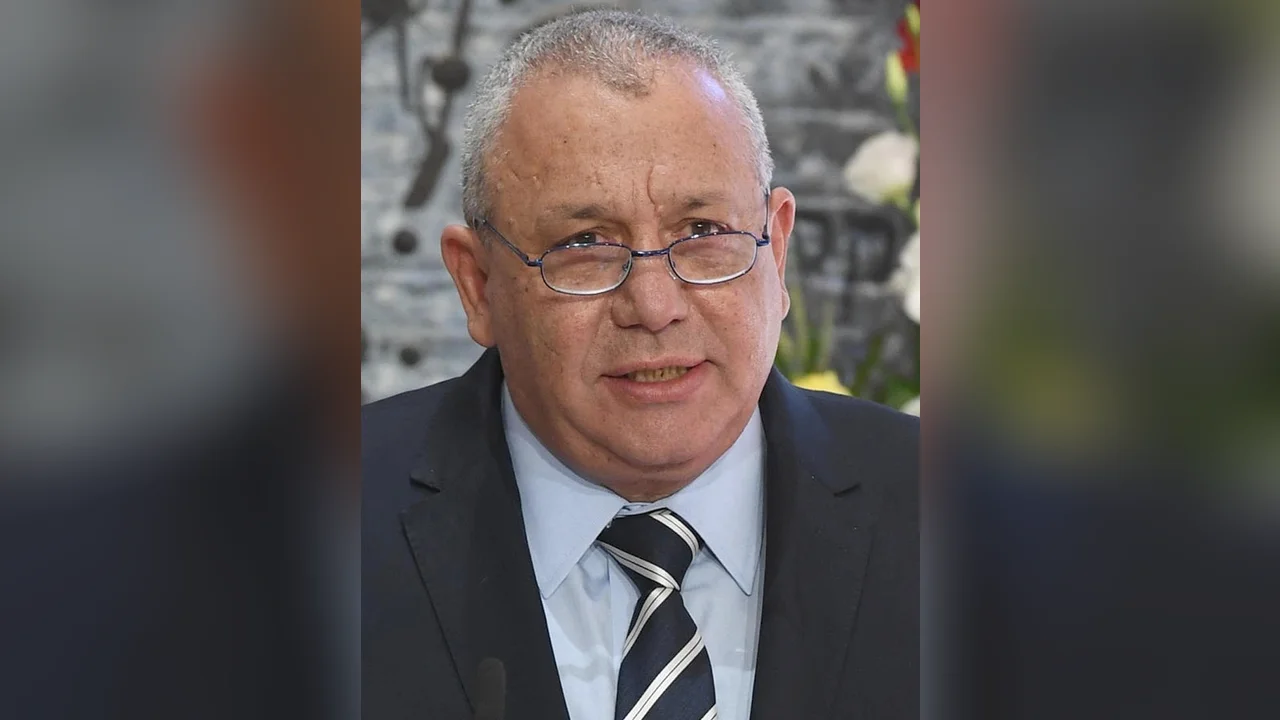
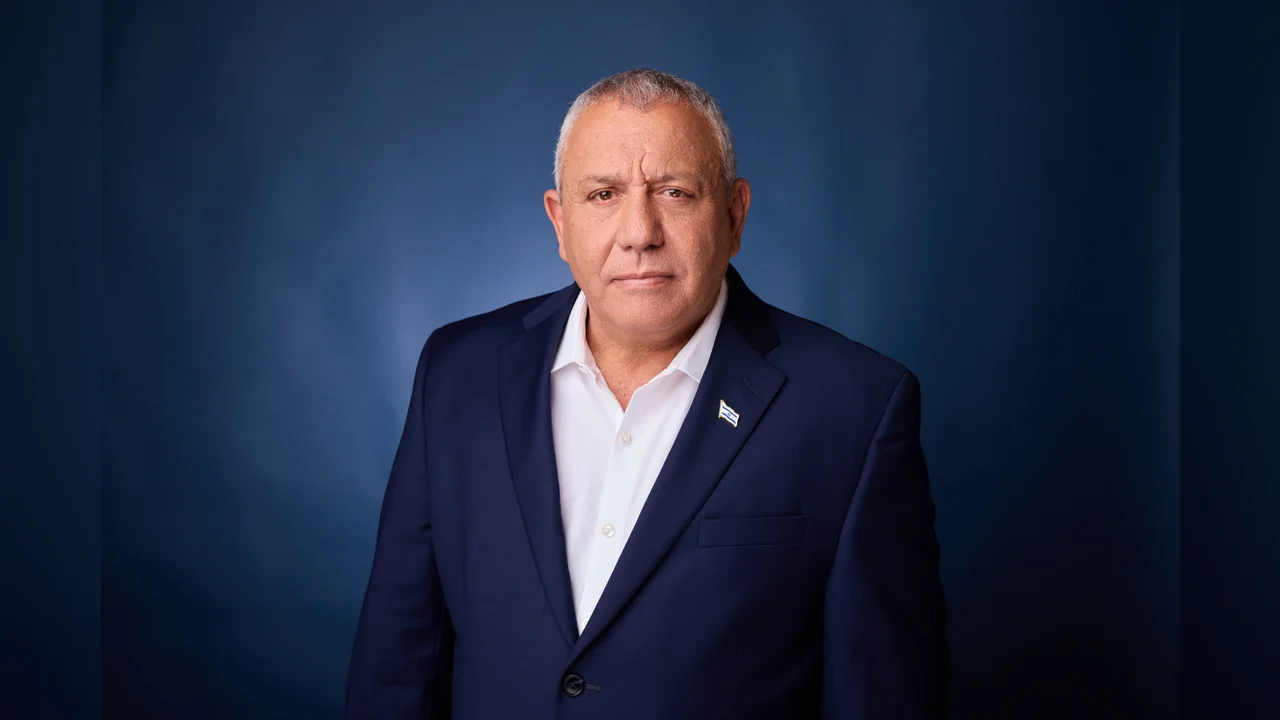
Yashar! Faction Launches Legislative Blitz to Repeal Four Key Statutes
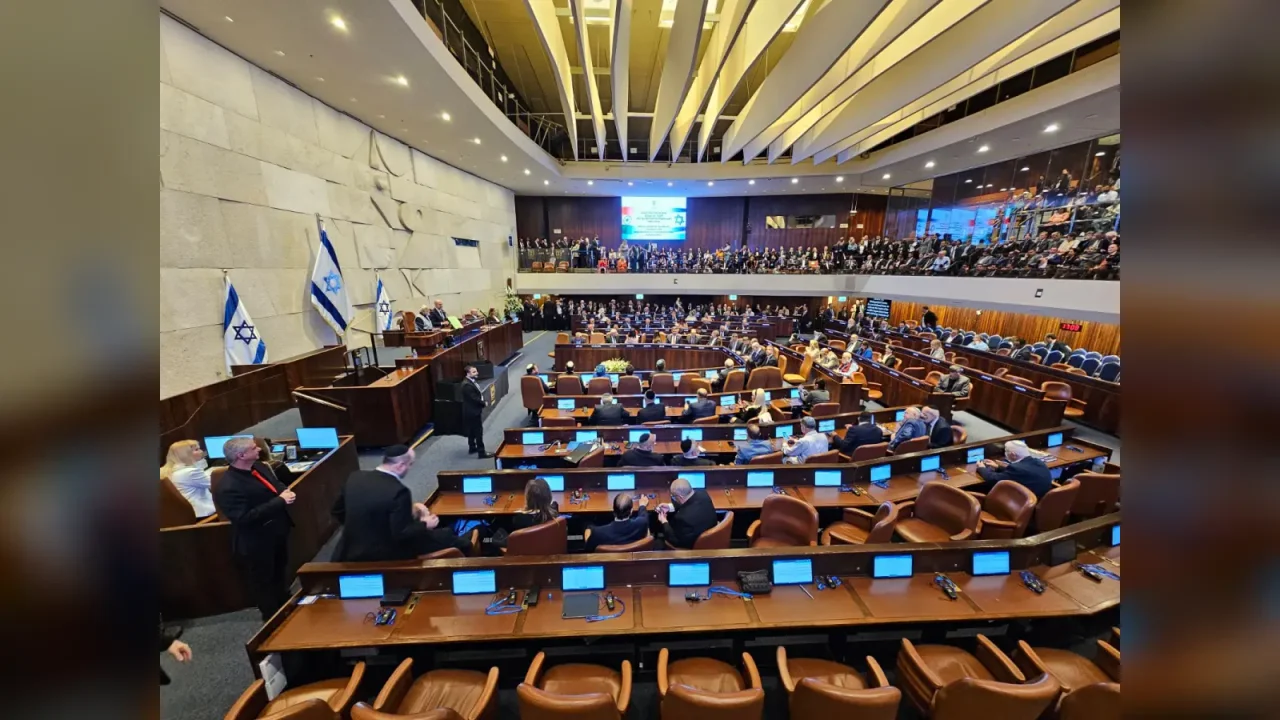
Following the 26th Knesset's swearing-in, the Yashar! faction launched an accelerated legislative blitz to repeal four deferred or frozen statutes enacted by the previous coalition, covering judicial selection, the attorney general, media regulation, and police investigations.
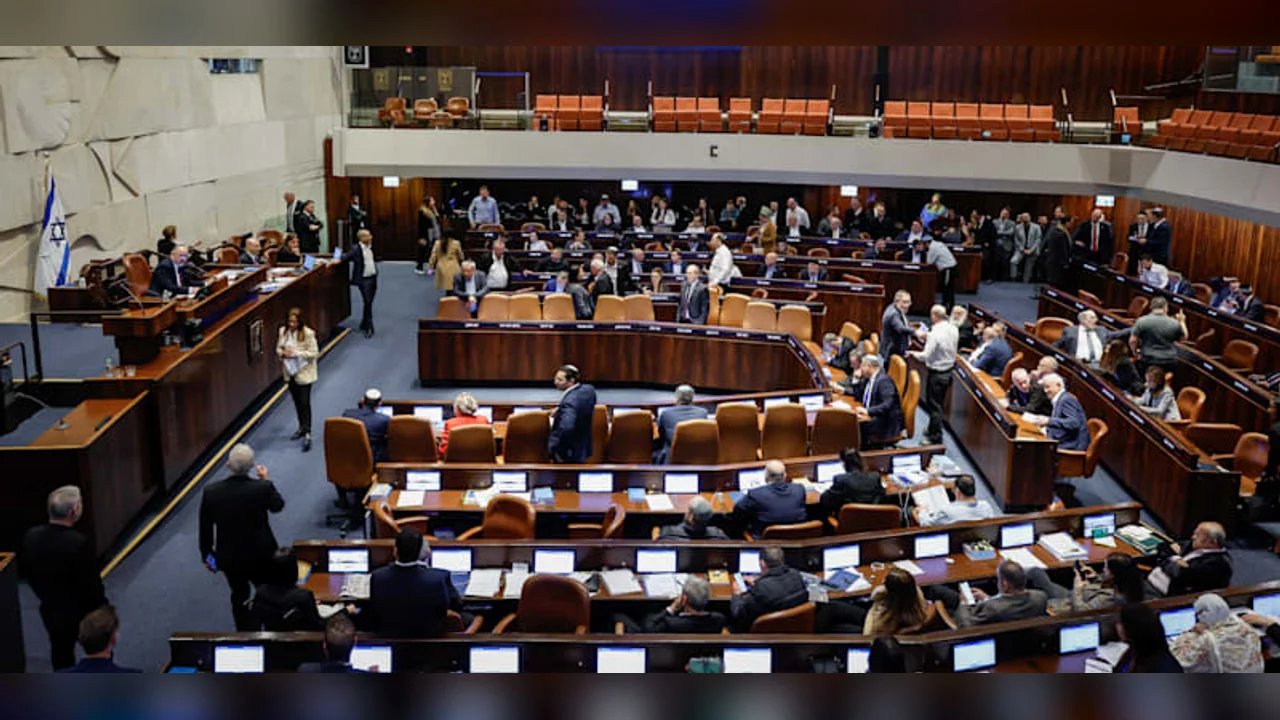
Following the swearing-in of the 26th Knesset and ongoing coalition negotiations, the Yashar! faction has launched an accelerated legislative blitz to repeal key statutes enacted by the outgoing coalition in the 25th Knesset. The common thread among the four targeted legislative acts is that all were enacted with deferred implementation dates or under High Court interim injunctions, allowing the prospective government to seek their repeal before they reshape state institutions in practice.
Judicial Selection Committee Reform
In March 2025, the 25th Knesset approved Amendment No. 4 to the Basic Law: The Judiciary and Amendment No. 105 to the Courts Law, which fundamentally altered the composition of the Judicial Selection Committee and its voting rules. The legislation granted coalition and opposition politicians a decisive majority at the expense of judicial representatives, removed Israel Bar Association delegates, and eliminated the requirement for Supreme Court justices' consent to appoint members to the highest court. Proponents argued the reform would diversify the judiciary and shift power to elected officials, while critics contended it amounted to political intervention that would undermine judicial independence.
Although the statute took technical effect, the committee has not convened or elected new members, meaning the reform has not altered practices on the ground. Legislative proposals to repeal these amendments have passed preliminary readings and are advancing in a special committee chaired by MK Gilad Kariv. If completed before the new committee is constituted, the traditional nine-member model and the requirement for a special majority of seven out of nine votes will be preserved.
Attorney General Powers and Representation
Late in the 25th Knesset, a modified bill regarding the Attorney General's status was approved, introducing three major modifications. The legislation empowered the government and its ministries to disregard the Attorney General's legal opinions in non-criminal matters, permitted the government to hire independent legal representation in courts without the Attorney General's approval, and subjected the office to the Minister of Justice's oversight while mandating new appointment regulations within 30 days. The coalition maintained the measure ensures governance, whereas the incumbent Attorney General and petitioners argued it strips the legal gatekeeper of authority.
Because the effective date was set for January 1, 2027, and entry into force was frozen by High Court interim injunctions, the law has had no practical effect. A repeal bill promoted by a special committee chaired by MK Efrat Riten aims to block the statute from taking effect, preserving the longstanding legal status quo where the Attorney General's opinions remain binding for the administration unless ruled otherwise by a court.
Broadcasting Authority and Media Regulation
Comprehensive broadcasting reforms spearheaded by Minister of Communications Shlomo Karhi were split ahead of approval in July 2026 amid sharp legal criticism. While controversial oversight provisions regarding news reliability were deferred, the approved Communications Law restructured the regulatory framework by abolishing the Second Authority and the Cable and Satellite Council in favor of a nine-member political council, six of whom are appointed by the Minister of Communications. The body was granted authority to impose heavy fines of up to one percent of turnover and revoke content providers' registration without judicial orders.
Minister Karhi defended the legislation as a measure to open the market to competition and dismantle monopolies, while broadcasting bodies and the Israel Journalists Association warned of economic censorship. The law has not been implemented due to numerous petitions and a High Court temporary injunction. A repeal bill initiated by MK Eitan Ginzburg has cleared preliminary and first readings, and is advancing in a special committee chaired by MK Meirav Ben Ari.
Independence of Police Investigations Department
In June 2026, the 25th Knesset approved Amendment No. 45 to the Police Ordinance, initiated by MK Moshe Saada, which removed the Department of Internal Police Investigations from its organizational subordination to the State Attorney's Office. The statute established it as an independent unit within the Ministry of Justice while altering appointment mechanisms to establish closer ties to the government. Proponents argued the prior subordination created an inherent conflict of interest, while opponents cautioned that political supervision over investigators targeting public corruption would deter law enforcement.
With transitional provisions setting implementation for early 2027 alongside pending High Court petitions, the department continues to operate under the State Attorney's Office. A repeal bill initiated by MK Roey Folkman has passed its preliminary reading in the plenum and was transferred for accelerated review, which would prevent political appointment mechanisms from taking effect.