Mandelblit Directed Investigators to Frame Bribery Suspicions Without Using Term
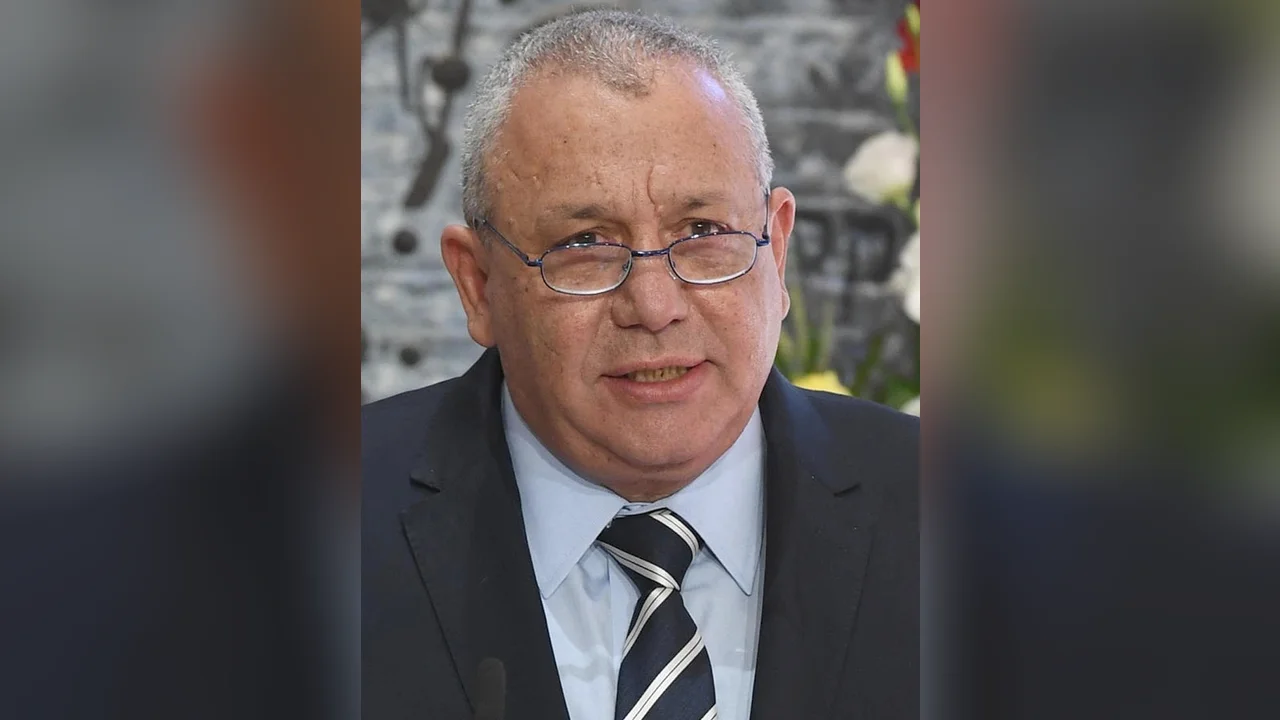
Former Attorney General Avichai Mandelblit instructed officials in 2018 to frame interrogation warnings implying bribery without using the word, a protocol revealed in court.
During Thursday's testimony in the ongoing corruption trial of Prime Minister Benjamin Netanyahu, defense attorney Amit Hadad presented a classified protocol from a January 17, 2018, meeting that sheds light on early investigative strategies. The document reveals that former Attorney General Avichai Mandelblit instructed prosecutors and investigators to frame interrogation warnings in a manner that implied bribery without explicitly using the word itself.
According to the transcript, portions of which remain redacted, Mandelblit addressed the expansion of the investigation against Shaul and Iris Elovitch by stating that he preferred avoiding the direct terminology while capturing the essence of the offense. "I do not like it when they say bribery, but we need to do something in that style. Something that implies bribery just without the word and of course obstruction of justice," the protocol records Mandelblit as saying. When questioned about the meeting during cross-examination, Mandelblit testified that he did not recall the session and was unable to identify a participant whose name had been blacked out in the record.
Context of Case 4000
Further questioning by Hadad explored whether the directives discussed during the high-level meeting applied directly to the Elovitch couple or to Netanyahu himself. Mandelblit explained that the suspicions were linked to the Prime Minister, though he acknowledged that the specific excerpt presented in court did not contain an explicit, direct reference approving an investigation against Netanyahu.
Case 4000, widely known as the Bezeq-Walla affair, centers on allegations that Netanyahu advanced regulatory favors for telecommunications giant Bezeq in exchange for favorable media coverage in Israeli media news site. All defendants have consistently denied any wrongdoing, maintaining that their actions were free of corruption.
Legal Implications of the Protocol
The newly revealed protocol provides a rare glimpse into the internal deliberations of law enforcement agencies during the formative stages of the high-profile case. The disclosure underscores ongoing debate regarding the nuances between the substantive suspicions evaluated behind closed doors and the specific legal terminology chosen for formal warnings given to suspects.