Bennett Delays Coalition Meeting With Eisenkot Over Military Service Outline
Coalition talks between Naftali Bennett and Gadi Eisenkot hit a snag after a meeting was postponed following delays in presenting a promised military service policy outline.

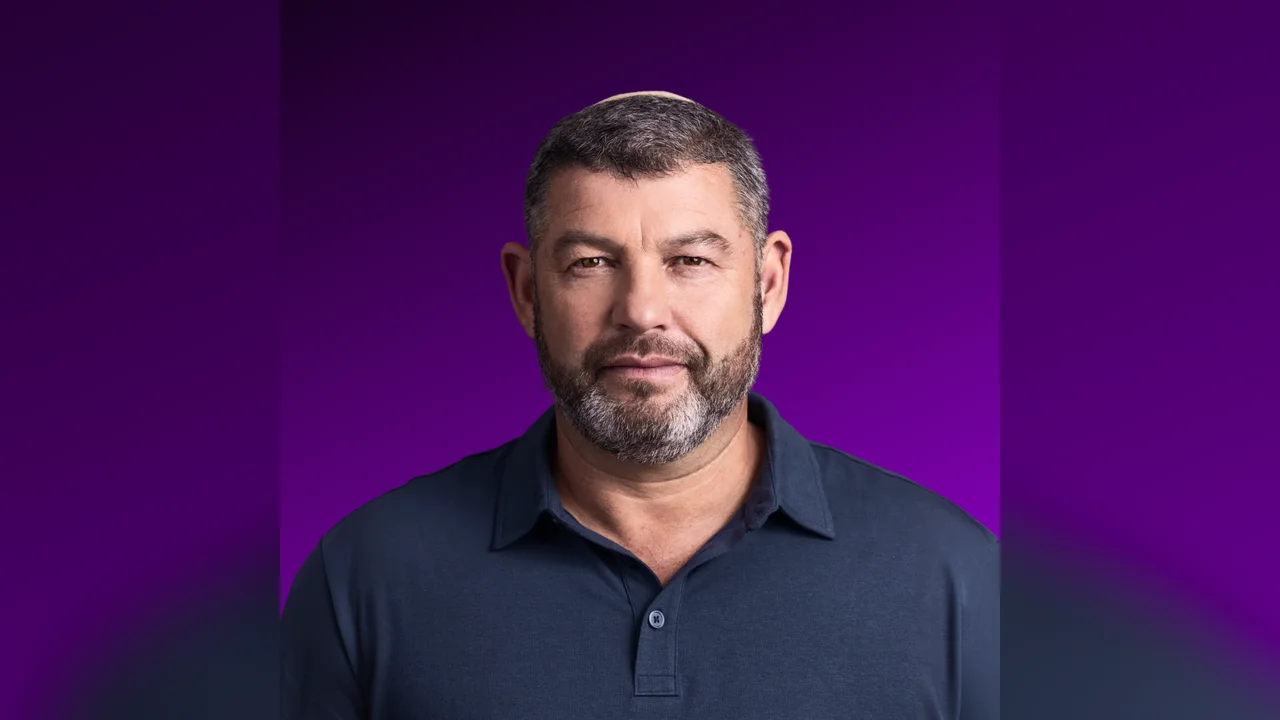
Coalition negotiations between Naftali Bennett and Gadi Eisenkot hit a roadblock on Thursday after a scheduled meeting was called off and postponed to the upcoming Sunday. According to local media reports, Bennett ordered the delay after his demand for a concrete outline addressing the needs of active-duty and reserve soldiers was not met by the negotiating team.
Bennett has repeatedly emphasized that advancing structural support for military personnel and reservists is a non-negotiable priority for him. While acknowledging that forming a government reliant on United Torah Judaism would necessitate compromises, Bennett maintains his firm stance on service equity and continues to champion a broad unity government as his preferred path forward.
Negotiations Stalled Over Service Plan
Representatives for Eisenkot had previously committed to presenting a detailed policy framework regarding military service. However, despite repeated inquiries from Bennett's staff, the delivery of the promised proposal was delayed. Although the parties met earlier in the day to discuss broad objectives, no detailed outline or formal agreements were finalized, prompting Bennett to push back the evening session.
In a statement released earlier, Bennett reaffirmed his preference for a unity government, arguing that such a coalition represents the best option for the country and its serving citizens. He asserted that a unity cabinet could successfully tackle ultra-Orthodox conscription, whereas a government dependent on Arab parties would require substantial concessions on the matter.
Strategic Posture and Timeline
Bennett's office also stressed that he has maintained active channels with various political actors, including Benjamin Netanyahu, while keeping Eisenkot fully informed of all discussions. Representatives for Bennett forcefully dismissed speculation regarding political realignments, stating that the BeYachad party will under no circumstances cross over into Netanyahu's political bloc.
Furthermore, Bennett cautioned against allowing the negotiations to become a stalling tactic, maintaining that sufficient time remains within Eisenkot's allotted window to successfully forge a unity government, despite expressed concerns over urgency from the Yashar! party.