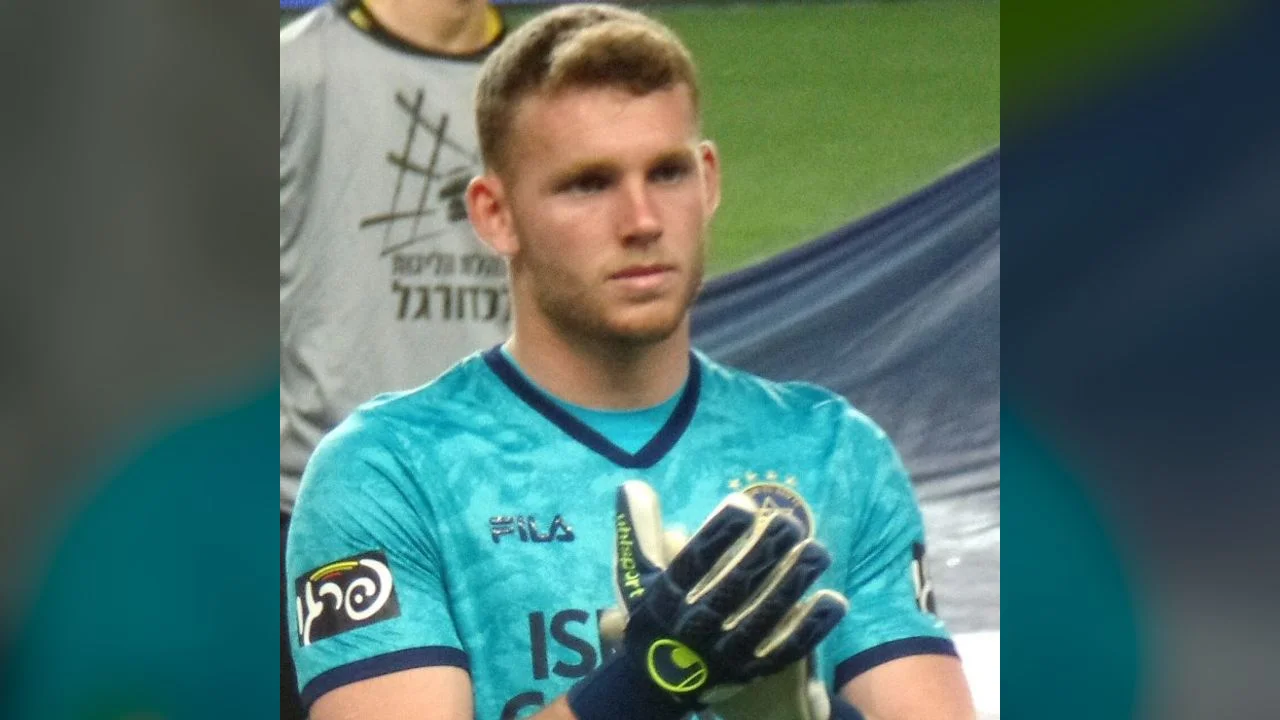
Power struggles: Maccabi Tel Aviv does not remember such a management crisis
The Recanati family is on its way to sell half of its holdings to Jason Levien, but Eric Stielman is not giving up. In the background: the firing of Federman's associates and a lack of trust between shareholders. And also: Shimon Mizrahi's concerns, the huge budget, and the vision of a new arena with 20,000 seats.
Power struggles, incessant changes in the ownership structure, a tweet attack by the main sponsor against the Recanati family, a threat to turn to the court, and the firing of employees identified with the Federman family. All these are just part of the storm taking place behind the scenes at Maccabi Tel Aviv in the last month. Outwardly, the club is trying to project business as usual and prepare for the start of the season, but inside, tempers are flaring — and the struggle for the future of the 'Yellows' is far from over.
Let's start with the weekend's events. Udi and Shi Recanati notified the other shareholders in Maccabi Tel Aviv that they intend to sell half of the 58 percent of shares held by the family to an American company headed by, as revealed in ynet, the Jewish-American businessman Jason Levien, who previously served as CEO of the Memphis Grizzlies from the NBA. Now, after the deal has become official, the remaining shareholders — Shimon Mizrahi (14.5%), Richard Deitz (17.5%), and Ben Ashkenazi (10%) — have 30 days to decide whether to exercise the right of first refusal set out in the shareholders' agreement and purchase the 29 percent offered for sale themselves, thereby preventing Levien's entry. If one of them, or several of them, choose to exercise the right, the shares will be divided among them. If none of them does so, Levien will officially become one of the owners of Maccabi Tel Aviv.
Who is the boss, season two
To understand the tangle, one must go back a month. The Recanati family then exercised the right of first refusal and purchased the 29 percent of the Federman family. The one who was supposed to enter the club if the right had not been exercised is Eric Stielman, the team's main sponsor, who intended to purchase half of Federman's holdings — 14.5%. Since then, Stielman has launched an unprecedented attack against the Recanati family. The confrontation intensified over the weekend, after he discovered that Levien's American company was established on July 6 — the day before the Recanatis announced the exercise of the right of first refusal and the purchase of Federman's shares.
Stielman's main claim is that the deal between Recanati and Levien was actually concocted back then, while the Recanati family did not yet hold Federman's 29 percent. According to him, if this was indeed the case, it is a move that contradicts the shareholders' agreement due to the non-disclosure of the new buyer's identity. In Stielman's view, this could have two consequences: the first is the cancellation of the deal to purchase Federman's shares by Recanati. The second, and more complex one, is that the deal with Levien might trigger the right of first refusal precisely on the 29 percent held by the Recanati family at that time. Stielman intends to turn to the court with a request to cancel the deal between Federman and Recanati, and also to demand affidavits and full disclosure of documents regarding the date when the deal between Recanati and Levien was agreed upon.
In the Recanati family's environment, they claim that Stielman has no legal case, but admit that if the dispute reaches the court, the process could take time. "The Recanati family never bought the 'Fedenco' shares in Maccabi!", Stielman wrote in a post he uploaded to X. "They cheated the shareholders. Jason Levien financed the deal for them and therefore the 'right of first refusal' was never exercised. He was the buyer from day one and this is contrary to the shareholders' agreement". In another tweet, he wrote: "They closed a deal with Levien on July 6 (or before) to buy 29% of the shares. At that point in time, they only had 29%. After that, they hid it from the Maccabi shareholders and 'exercised the right of first refusal' on Fedenco. The very act of hiding it cancels the deal on Fedenco's shares, and the very agreement with Jason triggers a right of first refusal on them".
Settling scores
Meanwhile, it has become known to Yedioth Ahronoth and ynet that the Recanati family has begun to part ways with employees at the club identified with the Federman family. Deputy CEO for Communications Roi Gladstone and Merchandising Manager Eyal Abdi have already received notice of the termination of their engagement. In the team, they claim that the next in line might be the Deputy CEO for Marketing and former player Doron Jamchi.
One question especially occupies the fans: why, when Federman tried to bring Stielman into the club, who asked to purchase 14.5%, was the right of first refusal exercised on the entire holdings of the Federman family — 29% — and allowed the Recanatis to remove it completely from ownership, while in the deal with Levien, the right of first refusal can be exercised only on the 29 percent being sold, and not on the entire 58 percent held by the Recanati family? The answer lies in the structure of the deals and the shareholders' agreement. In Federman's deal with Stielman, Maccabi shares were not sold directly, but rather percentages of control in the subsidiary company "Fedenco Sport". Such a move triggers a clause according to which the other shareholder — in this case, Recanati — is dragged into the sale even if he did not intend to sell himself. In contrast, in the deal with Levien, the Recanati family is selling the Maccabi Tel Aviv shares themselves. This is a deal registered with the Registrar of Companies, and therefore the right of first refusal applies only to the shares offered for sale.
If the right of first refusal is not exercised, Maccabi will receive a new owner in the form of the 52-year-old Levien, who is considered a sports manager and American investor specializing in soccer and basketball teams. He began his path in the sports world as a player agent, and later filled a series of senior management roles in American sports. In Levien's environment, they note that if the deal is completed, he will divide his time between the USA and Israel and will be involved in the management of the club. The model he is aiming for is that of Mitch Goldhar at Maccabi Tel Aviv in soccer. Over the years, Levien has specialized in business in the sports world, and through the purchase of percentages in various clubs, he has carried out deals that yielded him large profits. This time, he is aware that this is not an investment that necessarily generates income. In his environment, they say that the move also stems from his desire to be involved in a project in Israel and from his love for the country. Beyond the purchase of the shares for 50 million dollars, Levien — alongside investors he will integrate later — has committed to inject 70 million dollars into the team in the coming years. In the negotiations with Recanati, the term "powerhouse" was repeated, out of an understanding that the team needs to return to its great days. On the other hand, Recanati committed to support any financial injection into the team, in accordance with their share, and if they refuse — their percentages will be diluted.
Only for the long term
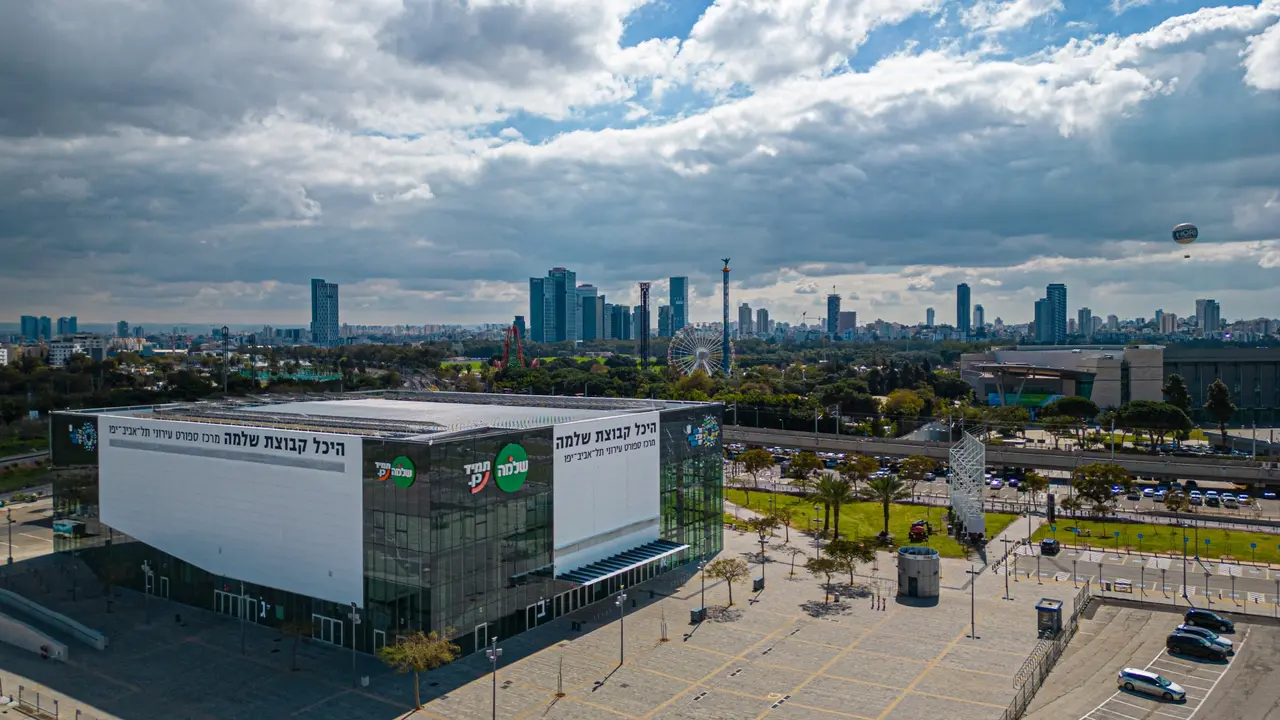
One of Levien's main goals is to promote in the coming years the construction of a new arena with 20,000 seats, with a significant investment from his side and from other investors he intends to join. Yedioth Ahronoth has learned that in conversations between Levien and the shareholders in Maccabi Tel Aviv, Shimon Mizrahi, who has known him for many years, asked to understand how long he intends to stay. The chairman's fear is of the entry of businessmen for a short period only. In closed conversations, Levien clarified that he intends to be an owner of Maccabi Tel Aviv for many years.