Israeli Surgical Robot Completes Human Cataract Procedures Successfully
An Israeli medical robot developed by Foresight Robotics has successfully performed 26 human cataract surgeries under surgeon supervision, as highlighted by Nvidia Israel executives.
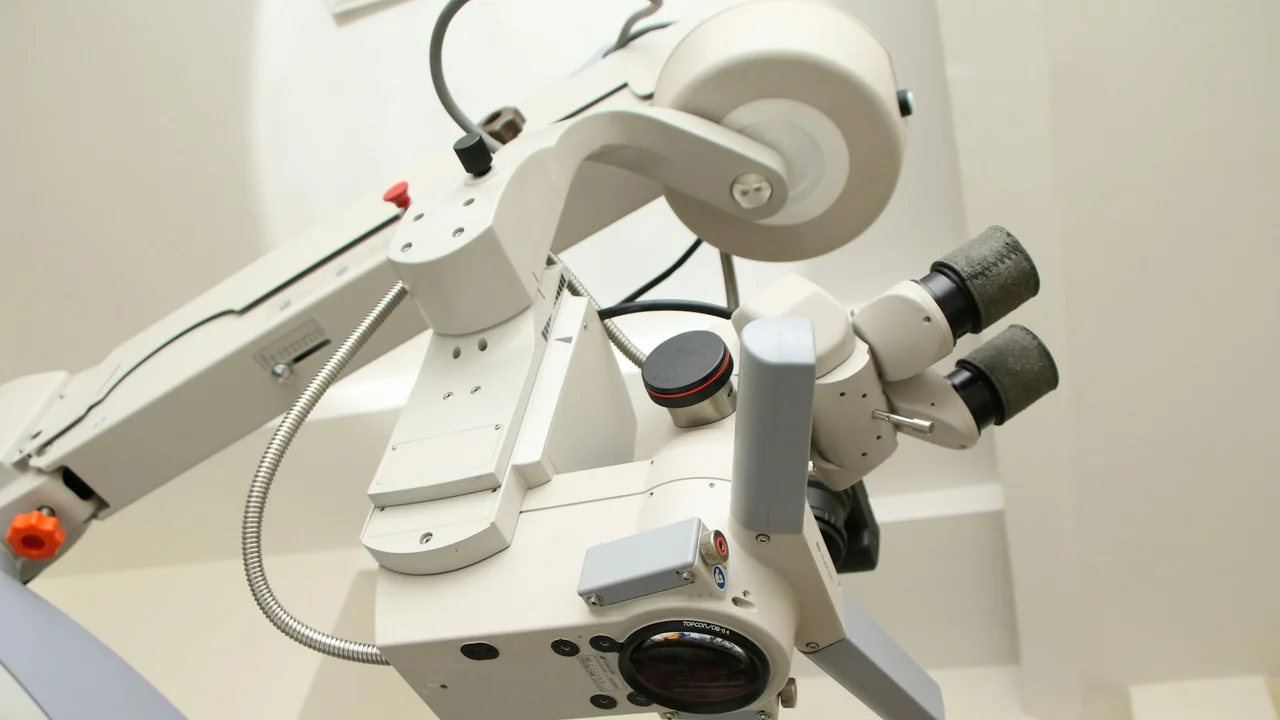
An advanced surgical robot developed by the Israeli startup Foresight Robotics has successfully performed 26 cataract procedures on human patients without requiring surgeons to physically touch the surgical instruments. Lior Ben-Chorin, head of robotics technology partnerships at Nvidia Israel and Europe, highlighted the achievement during a recent podcast interview, noting that all procedures concluded successfully without the need to revert to manual intervention.
Clinical Progress and System Capabilities
Developed by Foresight Robotics—founded in 2020 by Prof. Moshe Shoham, Dr. Daniel Glozman, and Dr. Yossi Nathan—the Jasper ophthalmic surgical system completed 14 additional surgeries, bringing the total number of patients in the clinical study to 26. The operations were conducted in the Philippines, and all patients were discharged on the same day.
Although the platform represents a major leap forward, it does not operate autonomously. Surgeons control the robotic arms throughout the entire procedure while the system executes the physical maneuvers inside the eye. Equipped with two robotic arms, a three-dimensional imaging system, and real-time eye-tracking technology, the platform filters out hand tremors to enable exceptional precision.
Scaling Up AI in the Operating Room
Foresight has raised approximately $200 million and employs around 130 workers at its R&D center in Caesarea, focusing on systems designed to integrate advanced artificial intelligence into operating rooms. Cataract surgery is one of the most common medical procedures globally, with more than 30 million operations performed annually.
Ben-Chorin explained that the next frontier for artificial intelligence extends beyond text and image generation into controlling physical machinery in the real world. A medical robot must comprehend the physical consequences of its actions, including the exact amount of force and precision required when interacting with delicate tissues.
Looking ahead, Ben-Chorin pointed to the potential integration of AI into established robotic surgical platforms like da Vinci. Instead of requiring a surgeon to manage all four arms simultaneously, future systems could automate routine tasks such as holding tools or performing post-operative stitching. Such capabilities could alleviate physician fatigue and increase daily procedure capacity from three surgeries to five. In addition, Ben-Chorin discussed an emerging Israeli development involving a robotic arm designed to perform ultrasound scans, which could standardize diagnostic quality and reduce patient wait times.