From Consultations to Coalition: The Complex Roadmap of Forming an Israeli Government
As consultations begin at the President's Residence, Israeli law outlines a complex roadmap for forming a new government, detailing timelines, mandate transfers, and potential pitfalls.
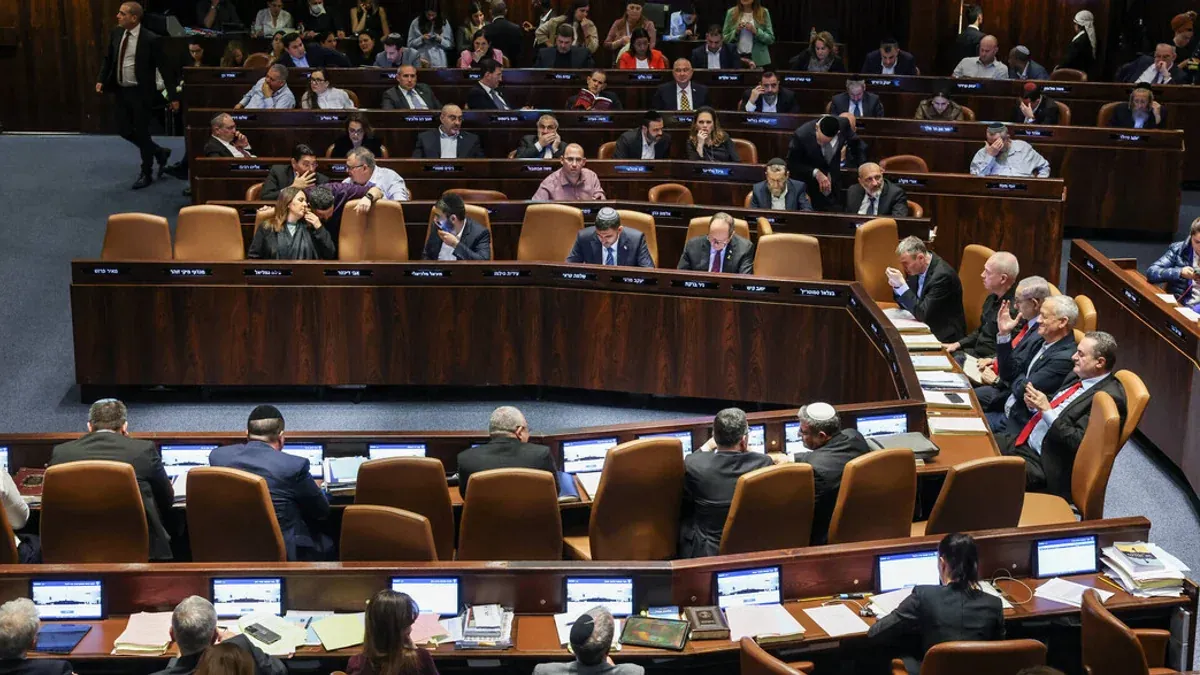
Following the round of consultations at the President's Residence, the path from party recommendations to swearing in a new government can be long and winding. This process is governed by Articles 7-13 of the Basic Law: The Government, which outline various scenarios until a new coalition is established.
First, the president holds consultations with the political factions. Representatives arrive at the residence to present their recommendations for the candidate tasked with forming a government. The president must assign the task within a week of election results being published.
The lawmaker tasked with forming the government—initially expected to be Yeshar party leader Gadi Eisenkot—is granted 28 days to announce success. The president may extend this period by up to 14 days. If successful, the Knesset votes on confidence in the government within a week.
Failing a primary mandate, the president may assign a second candidate or pass the mandate directly to the Knesset. If all attempts fail, the parliament dissolves and the country heads to fresh elections.