Iran Dam Network Suspected of Fueling Clandestine Underground Missile Sites
Researchers discovered that Iran's water infrastructure map closely mirrors its targeted missile sites, suggesting hundreds of dams were built to support secret underground military facilities.
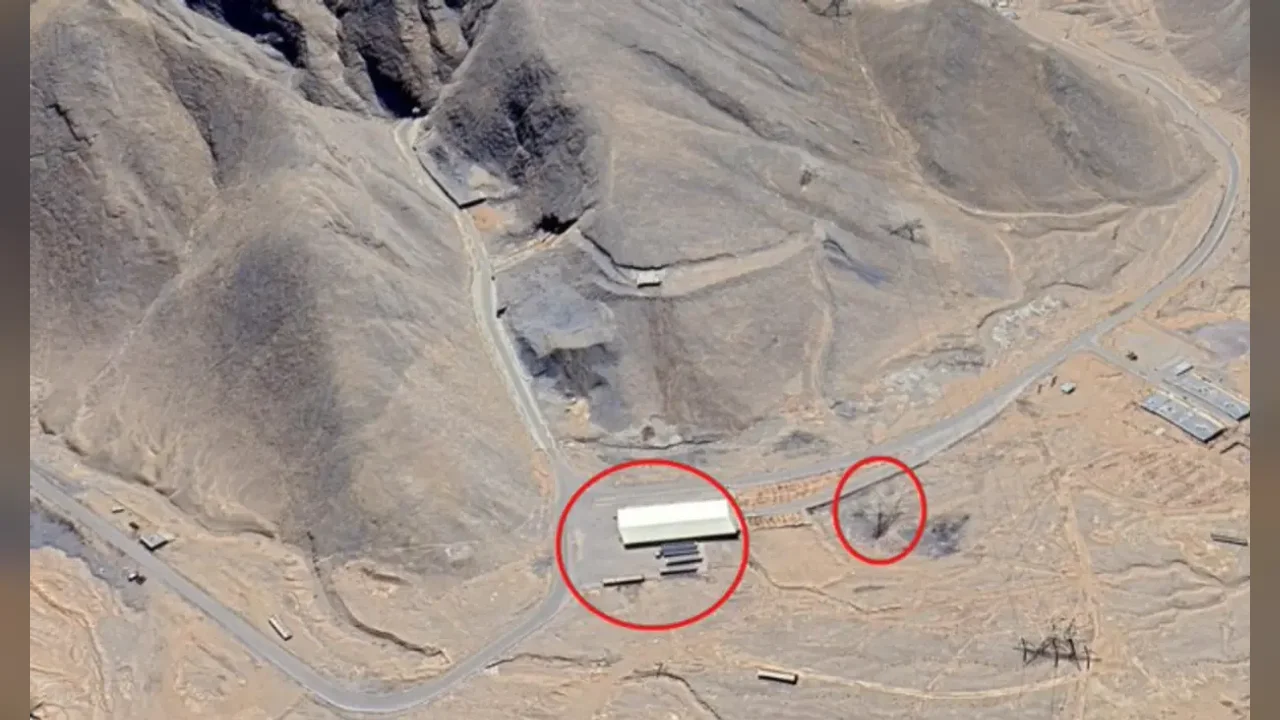
Researchers have uncovered striking geographical overlaps between Iran's massive water infrastructure network and its targeted missile sites, raising suspicions that hundreds of dams were constructed to power clandestine military facilities. Investigators tracking Iran's water management system noted that the layout closely mirrors the distribution of military infrastructure struck during recent conflicts.
Strategic Energy and Water Supply
For years, experts struggled to understand why Iran invested immense resources into building at least 533 dams, pipelines, canals, and water-transfer tunnels in regions lacking apparent agricultural or civilian need. Following US and Israeli strikes against Iranian missile sites, analysts suspect that these water projects serve the Islamic Revolutionary Guard Corps' secret underground missile network. Water and military experts explained that positioning subterranean military complexes near dams provides a vital strategic advantage by ensuring a continuous supply of electricity and water. This architecture reduces the missile network's reliance on national power grids, which frequently suffer from chronic outages and wartime vulnerability.
Underground Missile Cities and Environmental Arrests
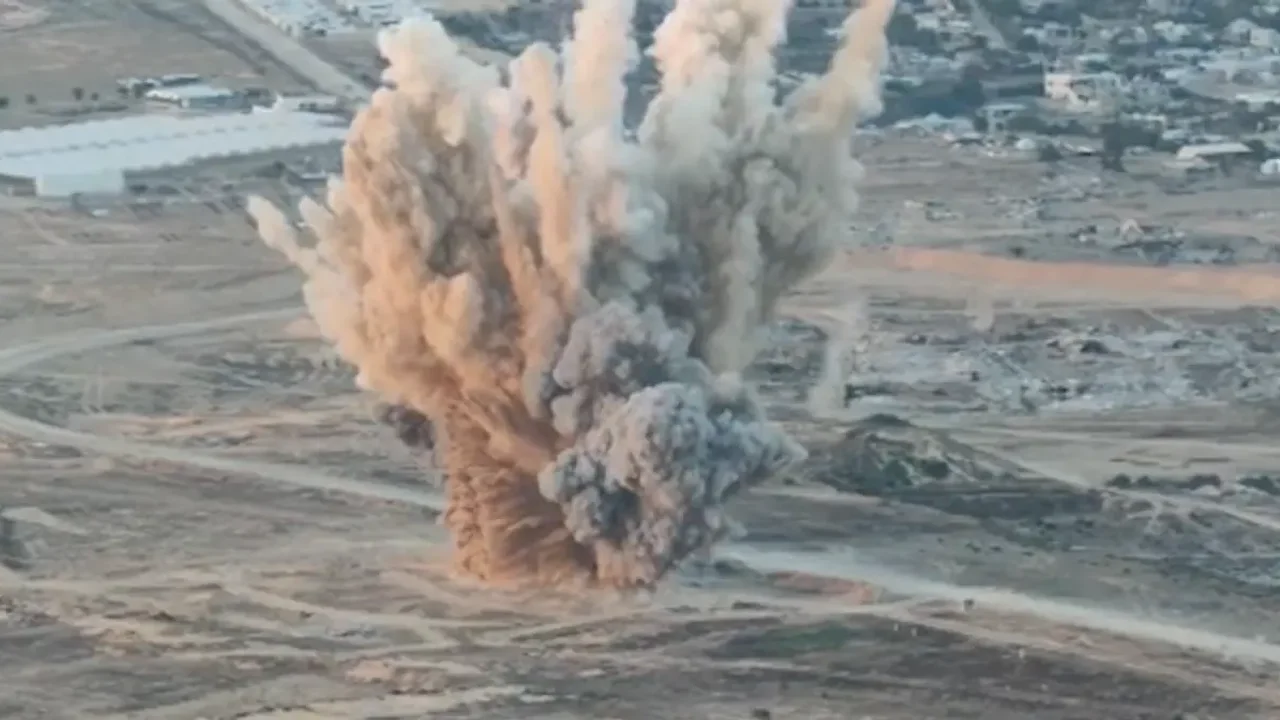
According to investigative findings, Iran operates at least 30 fortified underground missile cities and military compounds. Notable examples include a massive water-diversion project from the Zagros Mountains to the Yazd region in central Iran, where a major missile facility was struck in March, and Hormozgan Province in southern Iran, where a protected area near an underground missile base was targeted in July. These findings also shed new light on the 2018 arrest of dozens of wildlife conservation activists whom the Islamic Revolutionary Guard Corps accused of working as intelligence operatives for Israel and the United States. One activist died in custody while others reported torture and harassment, leading analysts to conclude the researchers may have inadvertently stumbled upon classified military installations while monitoring wildlife in nature reserves.
Despite the compelling geographical correlation, investigators emphasize that a direct operational link between the water projects and the Iranian missile program remains unproven, relying primarily on circumstantial evidence and spatial overlap.