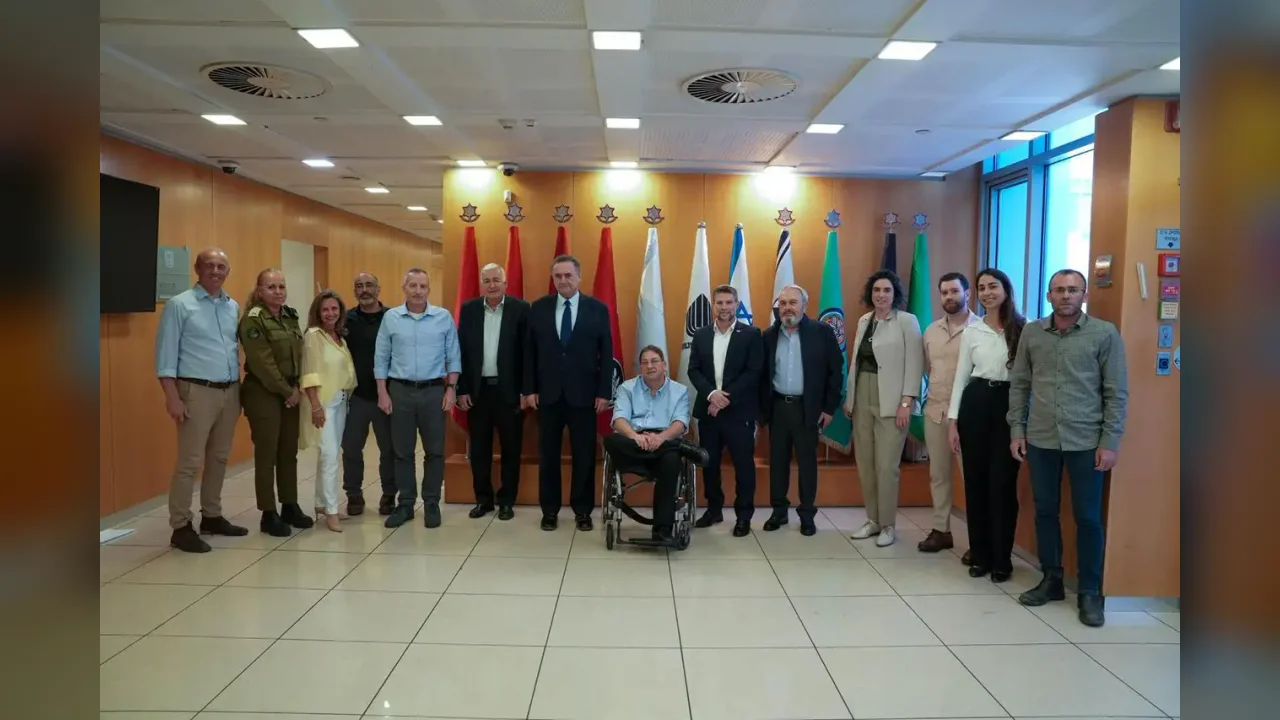
Kuwait and Israel Exploring Normalization Deal Amid Regional Security Shifts
Israel and Kuwait are holding secret talks regarding a normalization agreement, driven by regional security concerns over Iran and strong backing from the USA and United Arab Emirates.
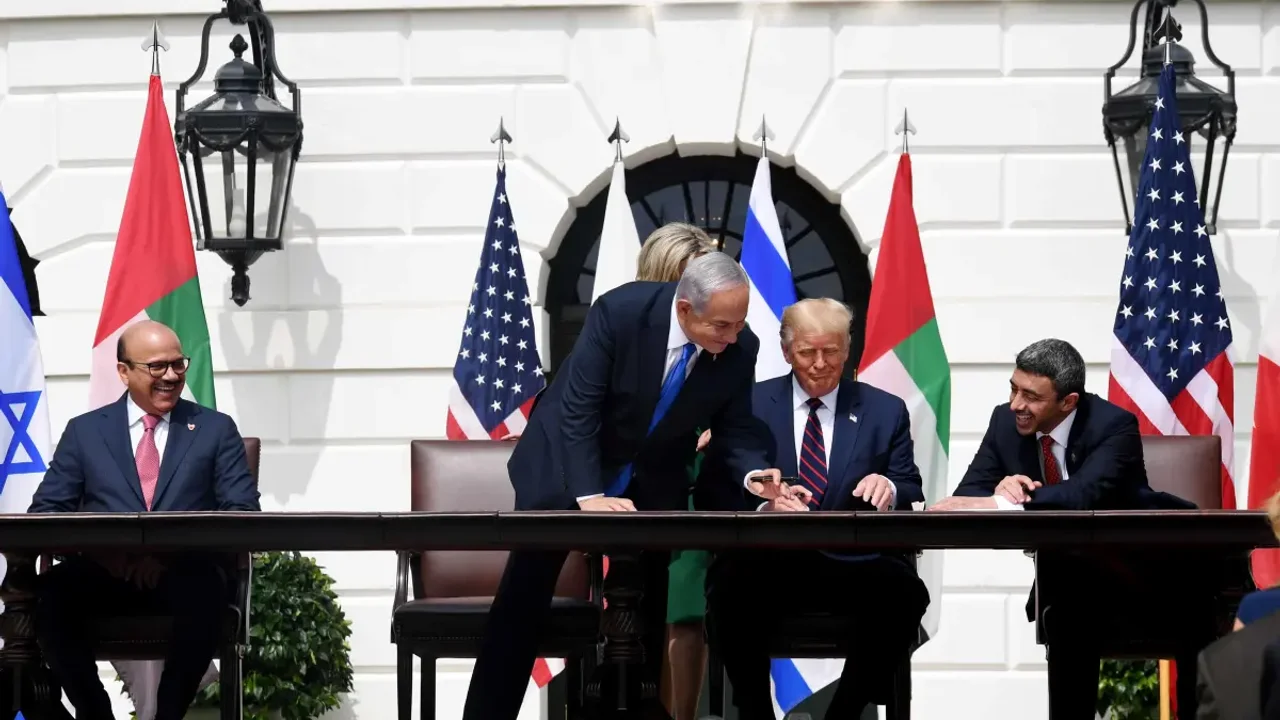
Israel and Kuwait are holding discussions regarding a potential normalization agreement, according to recent diplomatic developments.
In recent weeks, quiet contacts have unfolded between Israeli and Kuwaiti representatives. Policymakers in Kuwait recognize that following the Abraham Accords established with the United Arab Emirates and Bahrain, their country risks falling behind as a new regional architecture takes shape in the Gulf.
Strategic Motivations and Regional Threats
Driving this diplomatic momentum is the shared regional threat posed by Iran and Kuwait's aspiration to integrate into a broader security coalition against Tehran. Located merely 30 kilometers from Iranian territory—separated only by a narrow strip of Iraq and the Shatt al-Arab waterway—Kuwait faced acute vulnerability during recent conflicts, rendering it an immediate target for the regime.
Kuwait previously participated in a ten-nation regional meeting, signaling its openness to broader strategic alignment. Diplomatic pressure to advance the normalization track has intensified significantly from Washington and Abu Dhabi.
Current Obstacles and Security Concerns
Despite the active outreach, two primary hurdles continue to delay a formal breakthrough. The first obstacle involves the current domestic political situation in Israel and the absence of a stable governing coalition. The second and more critical hurdle is Kuwait's profound apprehension regarding potential Iranian retaliation. Kuwaiti officials fear that a public treaty with Israel could provoke Tehran, potentially triggering large-scale missile barrages against its infrastructure. Consequently, while negotiations persist and external encouragement remains strong, Kuwaiti leadership continues to evaluate the security costs of the initiative with extreme caution.