US Advances Plan for Compact UN Monitoring Force on Lebanon Border
The United States is promoting a plan to replace UNIFIL forces in southern Lebanon with a compact UN observation mechanism of under 100 monitors by the end of the year, as US envoy Mike Waltz visits Beirut.
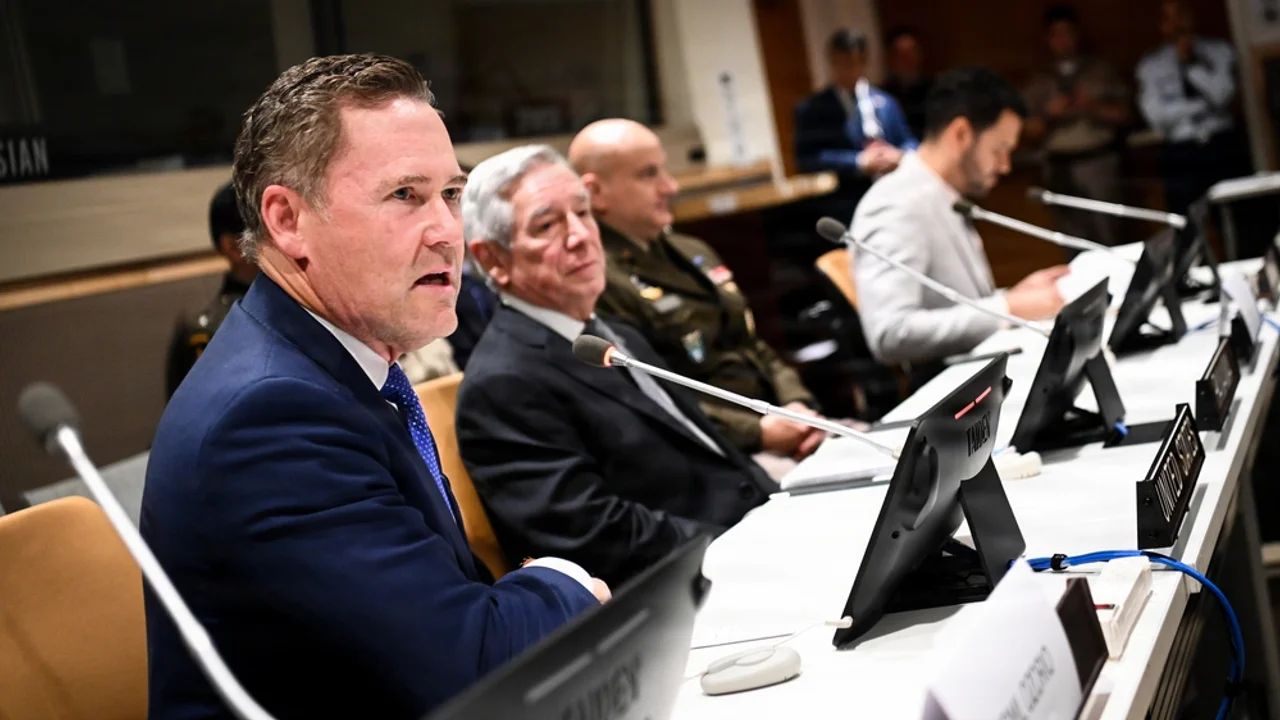
A significant shift in the security arrangements along the southern border of Lebanon is emerging as the mandate of the United Nations Interim Force in Lebanon draws to a close at the end of the year. The United States is advancing a proposal to establish a new international monitoring mechanism comprising fewer than 100 observers, replacing the approximately 6,000 peacekeepers currently stationed in the region.
As reported by local media citing a diplomatic source familiar with the negotiations, US Permanent Representative to the United Nations Mike Waltz arrived in Beirut for an official visit. During his trip, Waltz is scheduled to meet with senior Lebanese government officials to present the American blueprint for the post-UNIFIL era. The visit unfolds against the backdrop of ongoing diplomatic efforts to forge an alternative mechanism capable of preventing a security vacuum along the border with Israel.
Proposed Structure of the New Monitoring Mechanism
Under the American proposal, the current military force model of UNIFIL will not be renewed. Instead, a streamlined observation mission operating under United Nations auspices is being considered. The framework under review closely mirrors the United Nations Truce Supervision Organization established in the Middle East in 1948.
While UNIFIL deployed thousands of troops on an annual budget of roughly half a billion dollars, the successor mission is expected to deploy fewer than 100 monitors from various nations. Their primary mandate will be to oversee the implementation of agreements reached between Israel and Lebanon. Crucially, the proposed monitoring authority will not be restricted to the territory south of the Litani River, but will extend north of the river while assisting the Lebanese Armed Forces in enforcing compliance.
Shifting US Policy and Regional Consultations
The diplomatic source noted that Washington has adjusted its position regarding international presence in the area. Although the US previously opposed the continuation of UNIFIL on the grounds that it failed to prevent the military buildup of Hezbollah, Washington has now agreed to evaluate a sanctioned international alternative.
France, Gulf states, and European partners reportedly worked to persuade the American administration against leaving the Lebanese military exposed without an intermediary buffer between its forces and the IDF. Nevertheless, American consent to explore an alternative does not equate to recreating a force with the expansive authorities of the outgoing mission. The new framework will differ significantly in scope, composition, equipment, and statutory powers.
Next Steps and Future Negotiations
Concurrent with the high-level visit, officials are set to address the ongoing implementation of bilateral understandings between Israel and Lebanon, alongside the formation of a joint oversight committee to evaluate adherence to commitments. The diplomatic source estimated that the administration will push to resume formal negotiations early next year to secure a broader settlement.
The United Nations Security Council previously determined that the operational mandate of UNIFIL will conclude on December 31, 2026, to be followed by a phased withdrawal of personnel extending through the end of 2027. UNIFIL has maintained a presence in southern Lebanon since 1978. While a final consensus regarding the composition and authority of the replacement mission remains pending, formal authorization from the UN Security Council will be required, as Beirut pushes to preserve some form of international observation in the country's south.