German Leopard 2A4 Tank Survives 45 Drone Hits in Ukraine Combat
Reports from the Donetsk region reveal that a Leopard 2A4 tank in Ukraine survived 45 direct drone strikes during Operation Vivaldi, challenging assumptions about heavy armor.
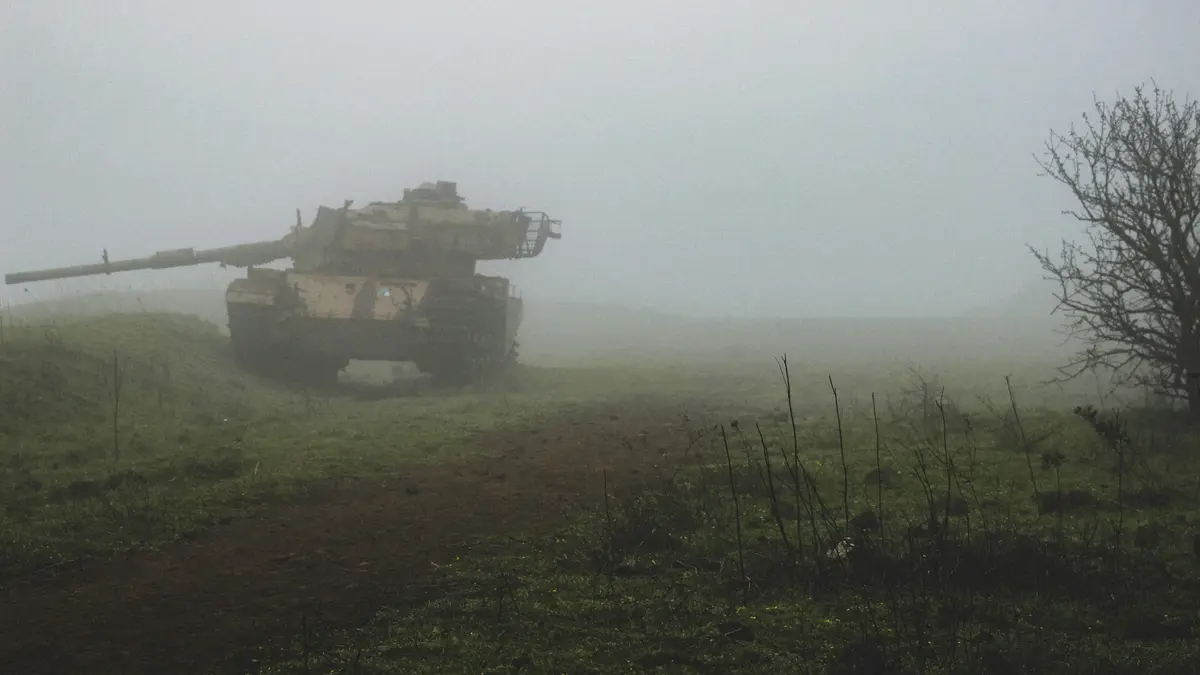
Intense combat footage from Ukraine regularly feeds global news channels with dramatic scenes of cheap attack drones striking armored vehicles and detonating them in massive fireballs. These recurring visuals led numerous analysts to declare the era of the heavy main battle tank effectively over. However, recent reports from the northern Donetsk region present a far more complex picture, demonstrating that modern armor can absorb brutal strikes and survive.
Operation Vivaldi and the Battle of Lyman
During Operation Vivaldi, an expansive counteroffensive executed by the 3rd Ukrainian Army Corps in the Lyman sector, an extraordinary case of battlefield survivability emerged. A Ukrainian brigade commander shared remarkable data with American military analyst Rob Lee, a senior fellow at the Foreign Policy Research Institute and a former Marine officer. According to the report, a German-manufactured Leopard 2A4 tank endured no fewer than 45 direct impacts from FPV attack drones during ongoing combat engagements.
Despite the overwhelming weight of fire and significant peripheral damage, the vehicle remained operational and continued performing its assigned combat missions. This incident demonstrated to Western researchers that the prevailing narrative regarding the supposed obsolescence of tanks in the drone era requires deep reevaluation. Combat units predominantly publish footage of successful strikes that culminate in dramatic explosions, while dozens of failed attacks thwarted by heavy armor largely bypass public view.
Combat Performance of the Leopard 2A4
The German Leopard 2A4 represents the most widespread variant of the highly successful main battle tank family. Equipped with an advanced digital fire control system and distinctive composite armor on its angular turret, the vehicle features high cross-country mobility and river-crossing capabilities. Operated by a four-person crew, the platform remains in active service across numerous military forces globally.
Operation Vivaldi commenced in May under strict secrecy before Brigadier General Andriy Biletsky publicly announced its execution in mid-September. By the official conclusion of the operation in mid-October, Ukrainian forces successfully liberated approximately 176 square kilometers from Russian forces in the Lyman area.
Ammunition Stowage and Armored Resilience
The engagements during the operation also highlighted the opposing dynamic. Ukrainian military analyst Dmytro Potiate described an engagement where forces launched 52 FPV attack drones continuously over two hours against an upgraded Russian T-62M tank. Despite dozens of direct hits, the vehicle did not completely burn down or suffer catastrophic detonation.
Military analysts attributed this resilience to a straightforward operational factor: the tank's interior combat compartment carried no ammunition. Internal ammunition cook-offs serve as the primary catalyst that transforms a small drone strike into a lethal explosion resulting in total destruction. Military systems continually evolve to withstand modern threats, proving that heavy armor remains a decisive element on the contemporary battlefield when paired with proper tactical adaptation.