Blackouts, Staging Basij Bases and Surging Inflation Strain Iran
Iranian citizens document severe utility blackouts, soaring inflation, and intrusive phone searches in the metro as the rial hits historic lows amid new sanctions.
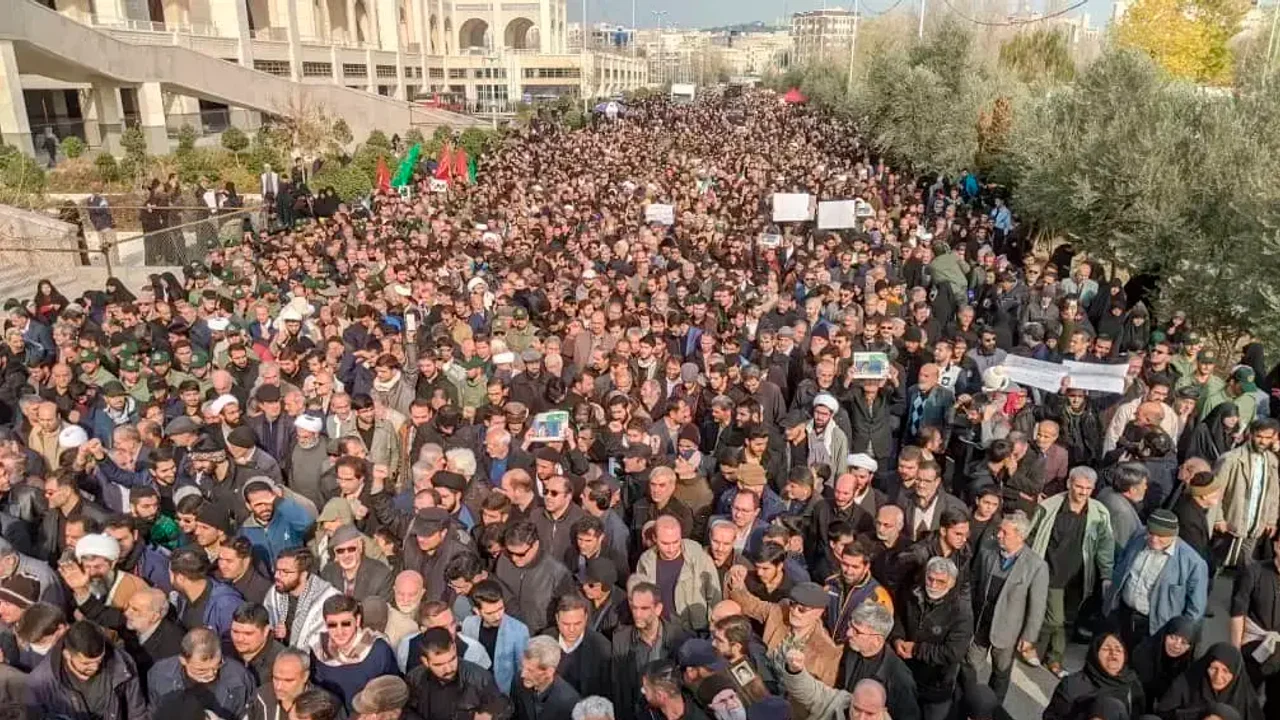
A wave of citizen documentation emerging across Iran highlights the severe compounding crises of prolonged utility blackouts, spiraling inflation, and aggressive internal security measures. Opposition-linked reports and video testimonies depict a population grappling with cascading service failures as winter approaches, alongside intensified state surveillance in public transit and near schools.
In the city of Parand, southwest of Tehran, masked and armed military personnel attended the inauguration of a new Basij base situated directly adjacent to the Behzadi Girls Primary School. Local families voiced strong opposition to the installation, while school administrators stated they were powerless to prevent the establishment of the security outpost within the educational complex.
Meanwhile, in the capital, civil activist Mehdi Mahmoudian reported that plainclothes operatives targeted passengers at a Tehran metro station, demanding access to personal smartphones. Individuals were forced to unlock their devices while security personnel inspected private photo galleries and Instagram accounts. Mahmoudian, who was himself detained and subjected to questioning before his phone was returned, condemned the searches as an unprecedented encroachment on personal privacy, noting that pressure previously reserved for dissidents is now being applied indiscriminately to ordinary citizens.
Utility disruptions have similarly crippled daily life across multiple provinces. Residents west of Tehran reported severe shortages, including an eight-hour natural gas cutoff and a four-hour electricity blackout that left families with young children freezing in unheated homes. In the northern city of Rasht near the Caspian Sea, residents documented extended power outages plunging neighborhoods into darkness, with one citizen sarcastically remarking to the camera about living standards under the current administration.
These blackouts contrast sharply with earlier official projections from Tavanir, the national electricity generation and distribution company, which had estimated rationing limits at two hours every two days. Government officials have warned that infrastructure damage sustained during recent military conflicts, coupled with aging equipment and sanctions-related maintenance hurdles, will likely exacerbate fuel and gas shortages throughout the winter season. Parliament Speaker Mohammad Bagher Ghalibaf has publicly urged citizens to voluntarily curtail gas consumption by ten percent.
Economic distress has deepened alongside energy rationing, compounded by the Iranian rial plummeting to a historic low of 2.83 million rials against the US dollar following the imposition of fresh American financial sanctions targeting Tehran's foreign exchange networks. In Mashhad, municipal drivers staged a strike outside the city hall building to protest worsening labor conditions.
Citizens took to social media to direct sarcastic messages at President Masoud Pezeshkian regarding soaring food prices. A resident of Jahrom in Fars Province displayed a meager purchase of a few kilograms of onions that cost half a million tomans, while another shopper presented a receipt totaling 485,000 tomans, noting that the sum now purchases only fifteen eggs and a liter of milk.