Australia Recovers Looted Silver Coins From 1712 Dutch Shipwreck Zuytdorp
Australian authorities recovered 23 silver coins looted from the Dutch ship Zuytdorp, which sank in 1712. The repatriation follows an international criminal probe involving the FBI and Dutch police.
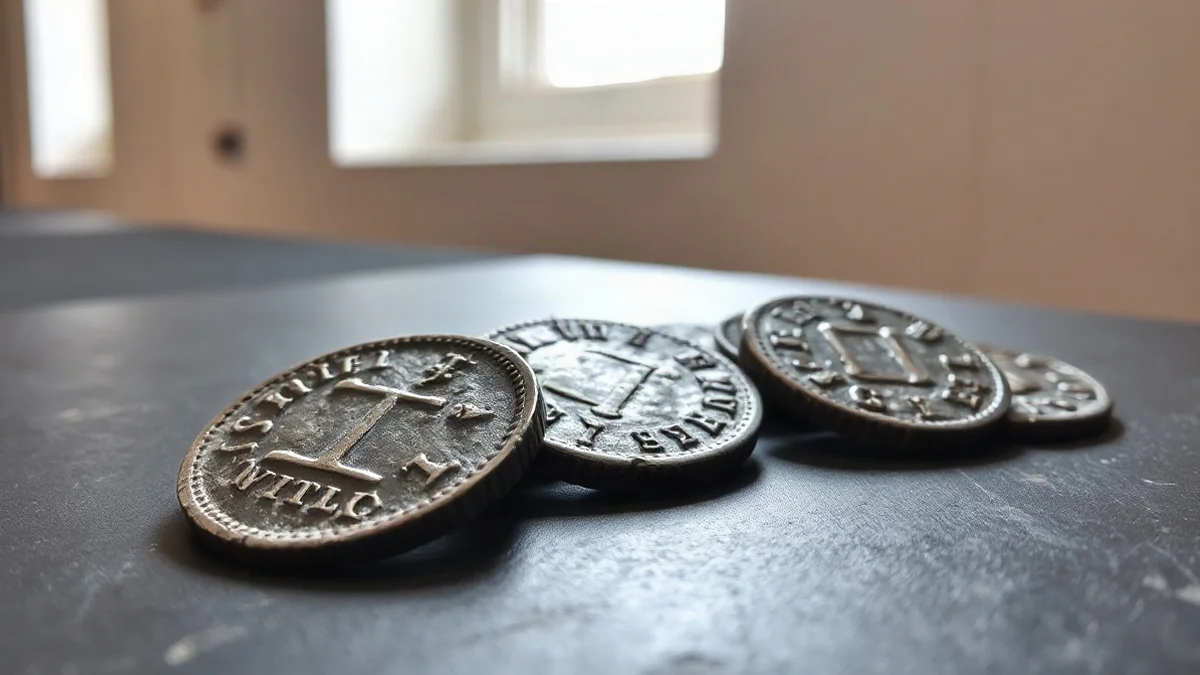
Australian authorities have announced the historic repatriation of 23 silver coins looted from the Dutch merchant vessel Zuytdorp, which sank off the coast of Western Australia in 1712. The operation marks the first time stolen underwater archaeological artifacts have been successfully returned to Australia following an international criminal investigation involving the FBI and Dutch police.
History of the Wreck and Discovery
The Zuytdorp was sailing from the Netherlands to Batavia, now Jakarta in Indonesia, carrying a massive cargo of silver coins intended to support Dutch East India Company trade operations in Asia. The ship vanished after separating from a sister vessel in April 1712, leading historians for centuries to attribute the disaster to navigational errors. However, a 2024 study published in the International Journal of Nautical Archaeology challenged this theory, suggesting the ship deliberately approached the Australian coastline before being driven ashore by a storm.
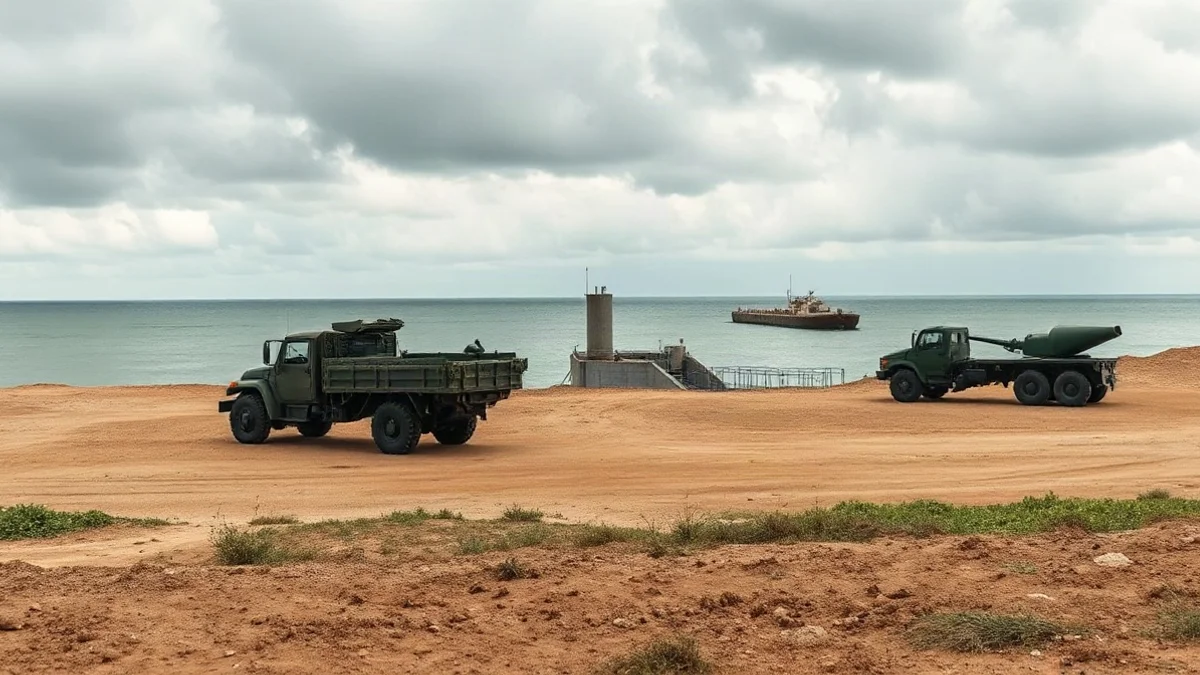
The first clues to the wreck's location emerged in 1927 when a young geologist discovered Dutch silver coins and historical items along the Western Australia coastline. In 1964, three divers explored the waters beneath the cliffs and located the ship's remains, including hull sections, cannons, and anchors. The silver coins proved particularly valuable to historians because they bore precise manufacturing dates.
Looting and International Investigation
Despite legal protections under Australia's Underwater Cultural Heritage Act 2018, which penalizes the unauthorized possession or export of shipwreck artifacts with up to five years in prison and a 99,000 Australian dollar fine, treasure hunters gradually raided the site. Australian authorities grew suspicious after noticing a surge in permit applications regarding Zuytdorp coins between 2019 and 2021.
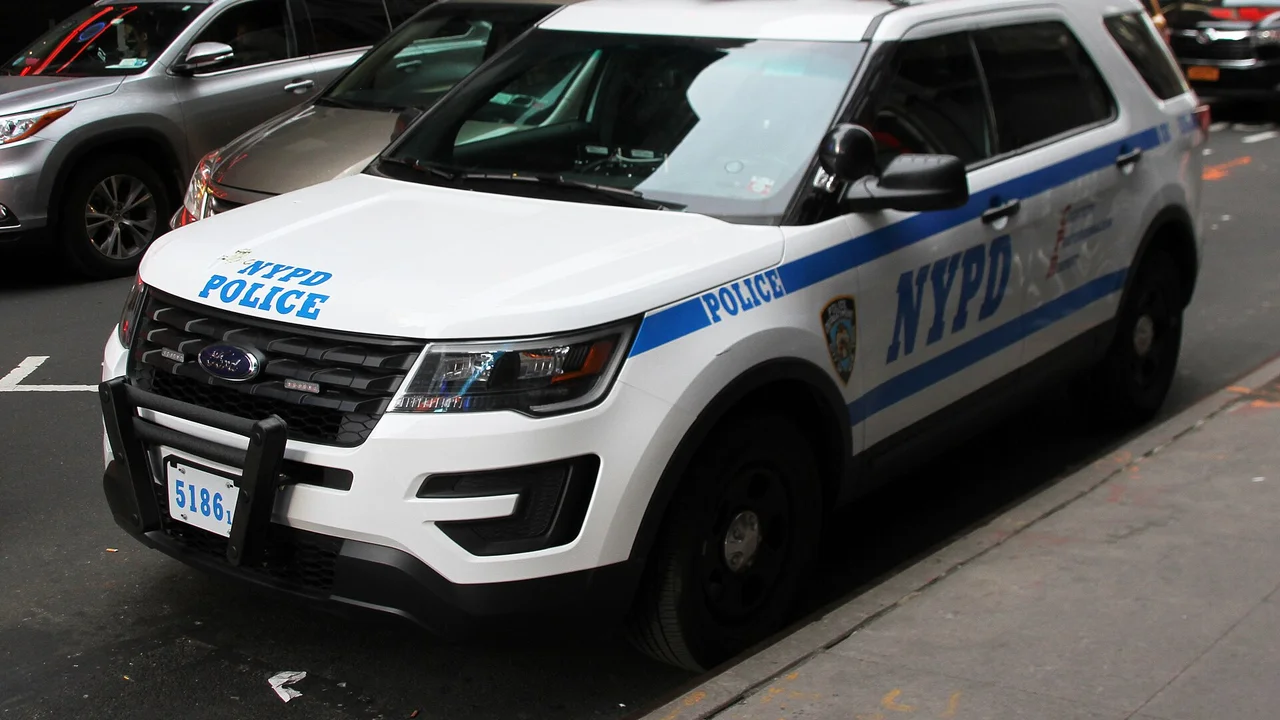
In April 2025, investigators seized 88 coins suspected of being illegally removed from the wreck, with an estimated value exceeding 240,000 Australian dollars. The investigation uncovered an extensive illicit antiquities trade route: according to the Dutch government, two coins were smuggled from Australia to the United States before being sold to an auction house in the Netherlands. Dutch police seized those two coins in Amsterdam in November 2024, and the FBI subsequently located and recovered 21 additional coins in California.
Ashley Patterson, a resident of Geraldton in Western Australia, was charged in connection with the illegal removal of 300 coins. In August 2026, he pleaded guilty to four offenses under the federal underwater heritage legislation, with his sentencing scheduled for February 2027.
Survivors and Cultural Preservation
Land-based evidence indicates that some passengers or crew members survived the initial disaster. The Western Australia Museum has documented large campfire remains atop the cliffs containing burned metal fittings from barrels and wooden crates, suggesting survivors attempted to signal passing ships. European artifacts have also been found near water sources up to 30 kilometers inland, prompting researchers to examine whether survivors encountered local Aboriginal communities, though their ultimate fate remains unknown.
Maritime experts emphasize that recovering artifacts scientifically is crucial for historical research. "Their true value lies in their context to the shipwreck and what they can tell us about our maritime history," stated Australian Assistant Minister Josh Wilson. Alongside the coin repatriation, Australia and the Netherlands renewed a bilateral agreement to protect and study their shared maritime heritage. The 23 recovered coins will be preserved at the Western Australia Museum Shipwrecks Gallery in Fremantle.