Dublining Down on Hostility: How Ireland Became Europe's Most Anti-Israel Hub
Dublin has emerged as one of Europe's most hostile cities toward Israel, with escalating antisemitism, academic boycotts, and a widening diplomatic rift affecting local Jewish communities.
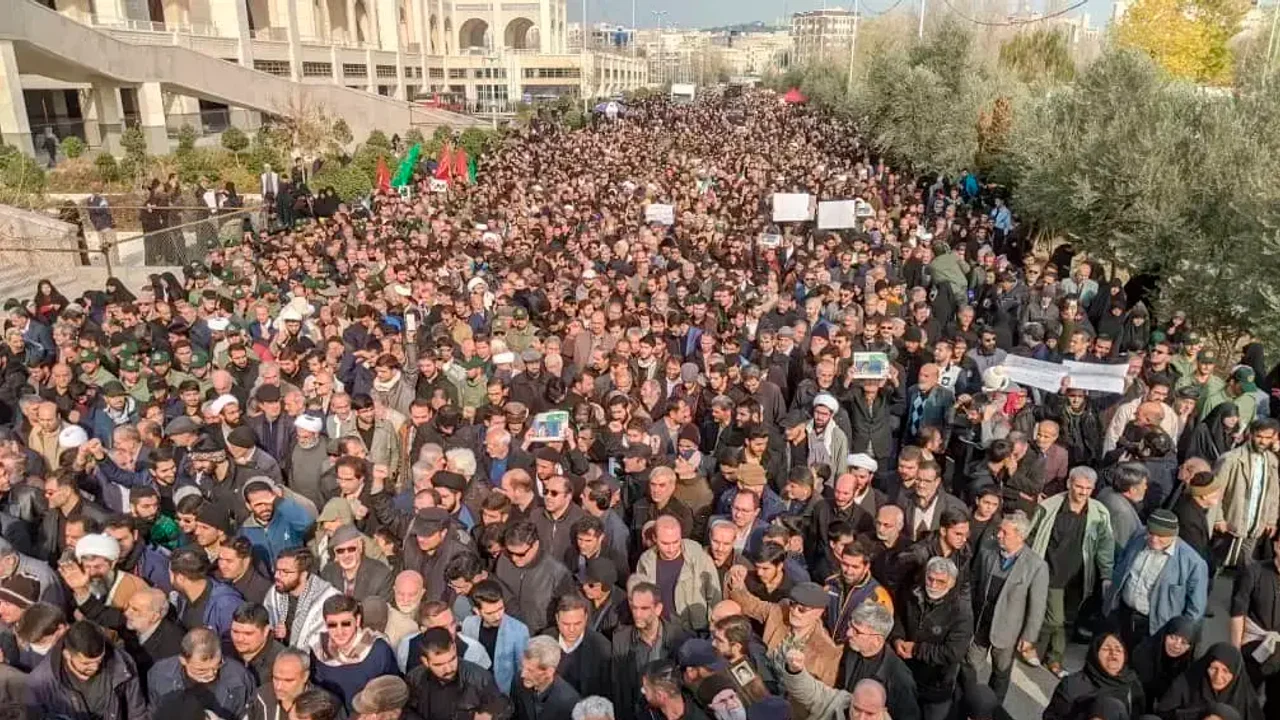
Anti-Israel rhetoric has become a daily soundtrack in Dublin, transforming the Irish capital into one of the most hostile environments for Israel in Europe. What began as political critique has evolved into widespread demonization across universities, parliament, cultural spheres, and supermarkets. Protesters frequently target passersby with accusations of genocide, while historical ties of shared struggles against British rule have completely vanished.
The Last Bastion of Dublin Jewry
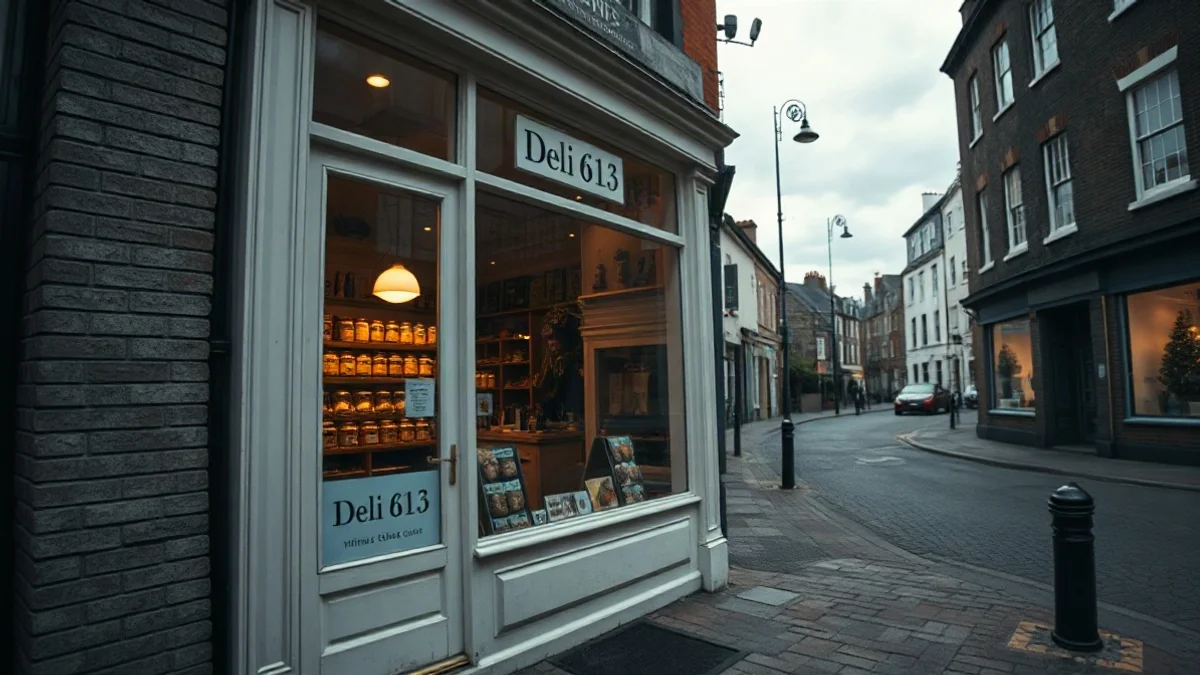
In the heart of the city operates Deli 613, a kosher establishment run by Rabbi Zalman Shimon Lent, director of Chabad Dublin. The shop has become a vital lifeline for the local Jewish community, many of whose members report feeling increasingly isolated. While regulars gather inside for kosher goods and cinnamon challah, the atmosphere outside is tense. Local residents and politicians note that rising public anger toward Israel is frequently misdirected at the small local Jewish population.
Some residents who immigrated to escape antisemitism find themselves confronting it again in public spaces. Passersby hurl insults linking local Jews to the conflict in Gaza, while others face silent treatment from acquaintances. The closure of the Israeli Embassy in Dublin following diplomatic friction has exacerbated this isolation, leaving a political vacuum where anti-Israel narratives go unchecked.
Academic Tensions and Historical Parallels
Hostility has deeply penetrated academic institutions. Lior Tibet, a university tutor teaching Holocaust history, encountered students whose primary motivation for taking elective courses was to interrogate Israeli military actions. Campus demonstrations feature pro-Palestinian encampments, graphic posters, and rhetoric drawing parallels between Irish republican history and Palestinian armed struggle.
Analysts note that unlike protests elsewhere in the West, Irish activism is heavily driven by indigenous citizens who view the Palestinian cause through the lens of their own history of British imperialism. This perspective frequently dismisses or justifies militant tactics while inflating civilian casualty figures without factual grounding.
Boycotts in Sports, Culture, and Education
The cultural and sporting boycott movement has gained significant institutional momentum. Ireland has pushed for exclusions from international events like the Eurovision Song Contest, and its women's basketball national team made headlines by refusing to shake hands with Israeli players or stand during the Israeli national anthem.
Controversy has also touched neighborhood landmarks, such as Herzog Park—named after former Israeli President Chaim Herzog—which local municipal figures attempted to rename. Meanwhile, journalistic coverage remains largely one-sided, and educational materials in Catholic primary schools and secondary curricula have drawn criticism for embedding anti-Jewish tropes and skewed historical narratives regarding the Holocaust and modern conflicts.
Despite physical confrontations faced by rare pro-Israel activists on the streets, community leaders emphasize that the battle for the narrative in Ireland remains critical to prevent similar normalization of hostility elsewhere.