Intel Shares Plunge 42% Amid Market Slump Following Classiq Acquisition
Intel shares plummet 42% following its $2.2 billion acquisition of Israeli quantum firm Classiq, raising questions over deal terms amid a broader tech market slump and heavy capital expenditure demands.
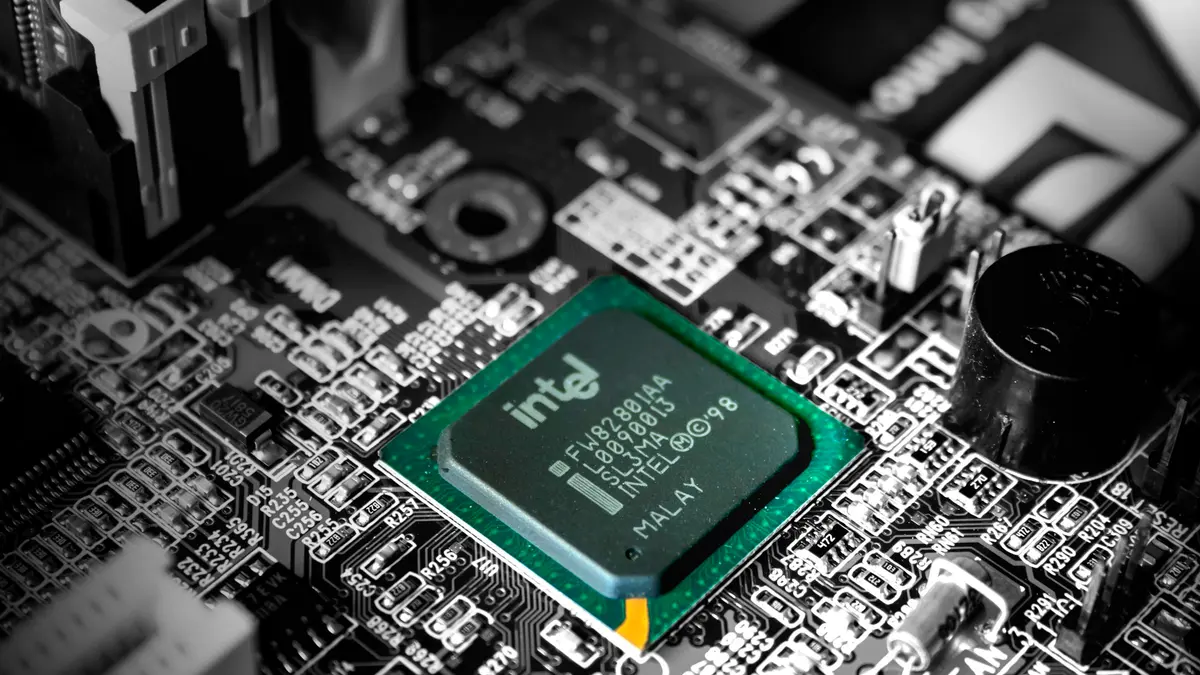
Intel's recent acquisition of Israeli quantum computing software firm Classiq for $2.2 billion has hit turbulent waters amid a dramatic market downturn. Just days after announcing the deal, Intel shares plummeted by 42%, wiping out 55% of the company's market value over the past month. Intel's valuation dropped from nearly half a trillion dollars to $277 billion, driven by weak third-quarter results, rising PC component costs, a temporary shutdown at its Kiryat Gat plant, and broader fears regarding AI sector overspending and potential regulatory hurdles.
The Quantum Deal Structure
The sharp drop in Intel's share price raised concerns over the future of the Classiq acquisition, particularly since the transaction was structured around Intel stock. However, Intel clarified that the final payment mechanics remain flexible. The $2.2 billion price tag includes $1.9 billion subject to adjustments and $350 million tied to performance milestones over several years. Classiq holds $100 million in cash reserves, effectively reducing the net acquisition cost.
Cash or Stock Flexibility
According to financial reports and industry sources, the companies initially agreed on a stock transaction, pending a formal closing expected in the first half of next year. Because the shares have not yet been allocated to Classiq shareholders, the payout value will be determined by the average closing price near the closing date. Intel retains the discretion to settle the transaction in cash, stock, or a hybrid model. While Intel maintains robust liquidity with $54 billion in cash and short-term deposits alongside a $15 billion credit line, the company faces heavy capital expenditures for manufacturing plants in Ohio, Arizona, Oregon, Malaysia, and New Mexico, alongside a $50 billion debt load.