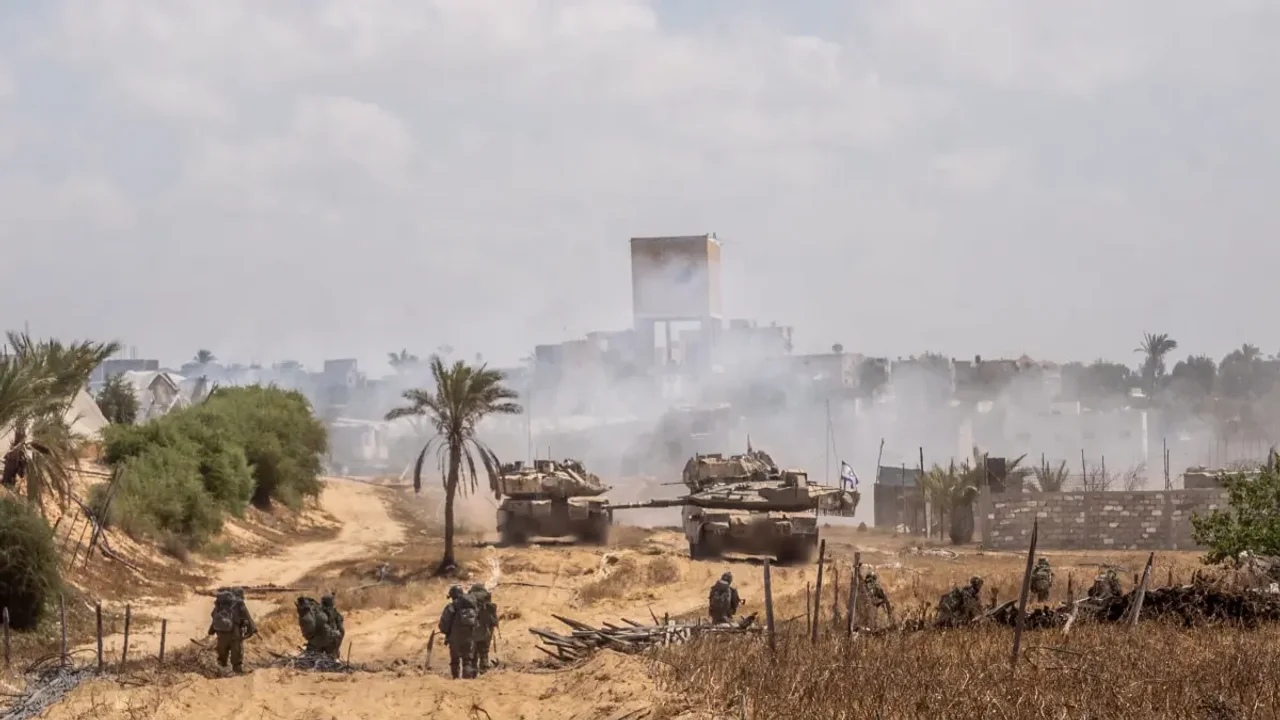
IDF Wounded Soldiers Chaplain: Hospital Wards Showcase Ultimate Heroism
IDF Chaplaincy Rabbi Hillel Horowitz highlights the extraordinary resilience and spiritual awakening among wounded soldiers and their families across Israeli hospitals during wartime.
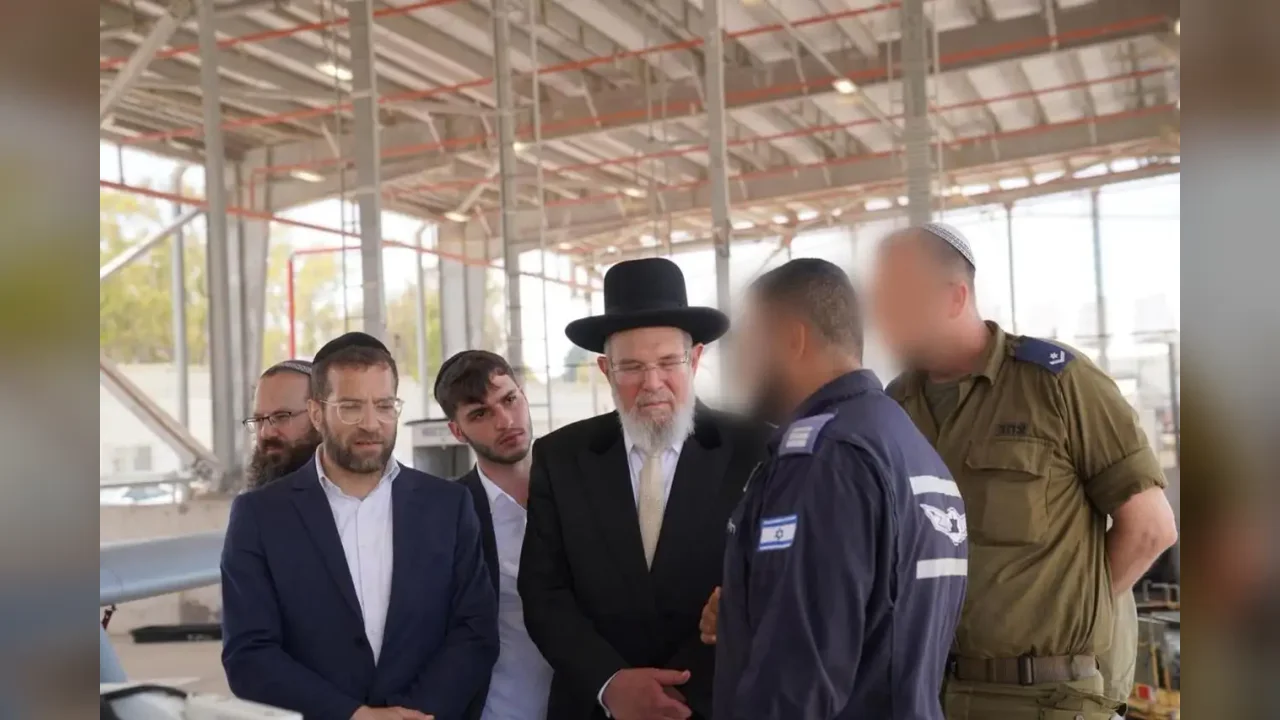
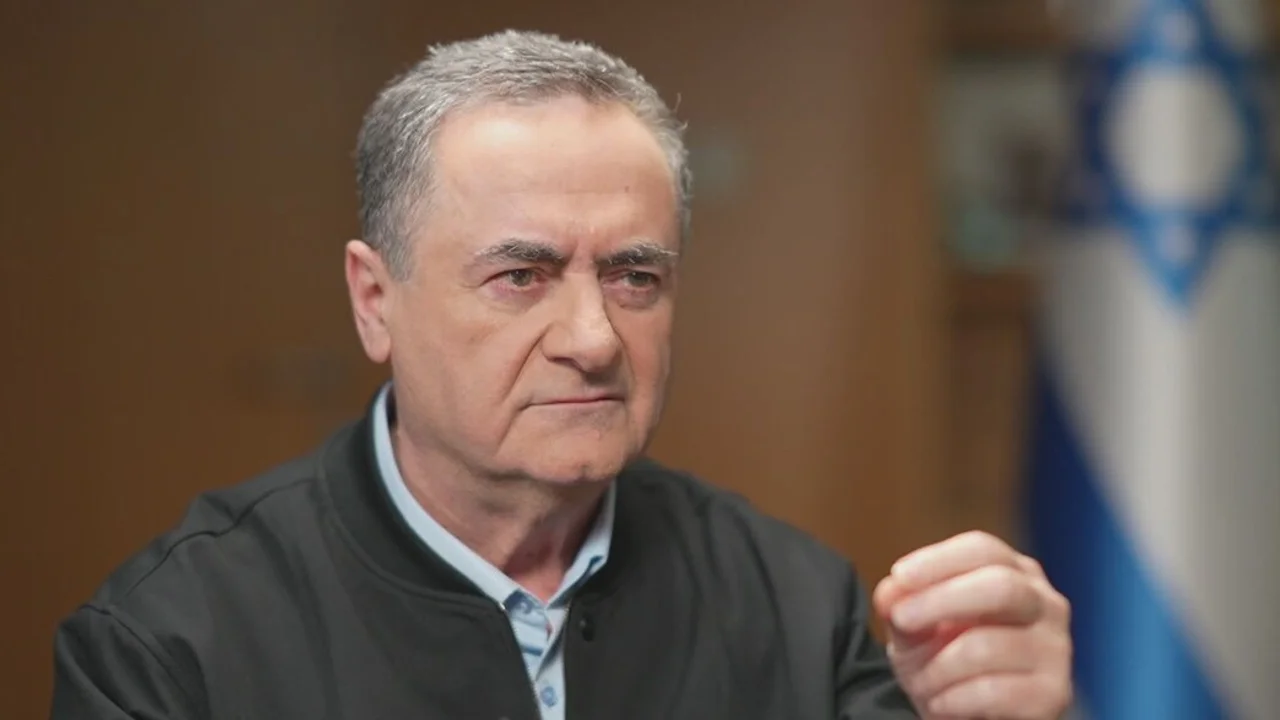
Lieutenant Colonel (Res.) Rabbi Hillel Horowitz, head of the IDF Medical Corps' Ram 2 chaplaincy array, oversees a network of roughly 70 rabbis operating across 25 hospitals nationwide. The unit provides comprehensive pastoral, spiritual, and logistical support to wounded soldiers and their families from the moment of hospital admission through months of intensive rehabilitation. During wartime service exceeding 900 days, Rabbi Horowitz has accompanied hundreds of severely wounded troops and their families, witnessing profound resilience amidst acute trauma.
Wartime Trauma and Hospital Chaplaincy
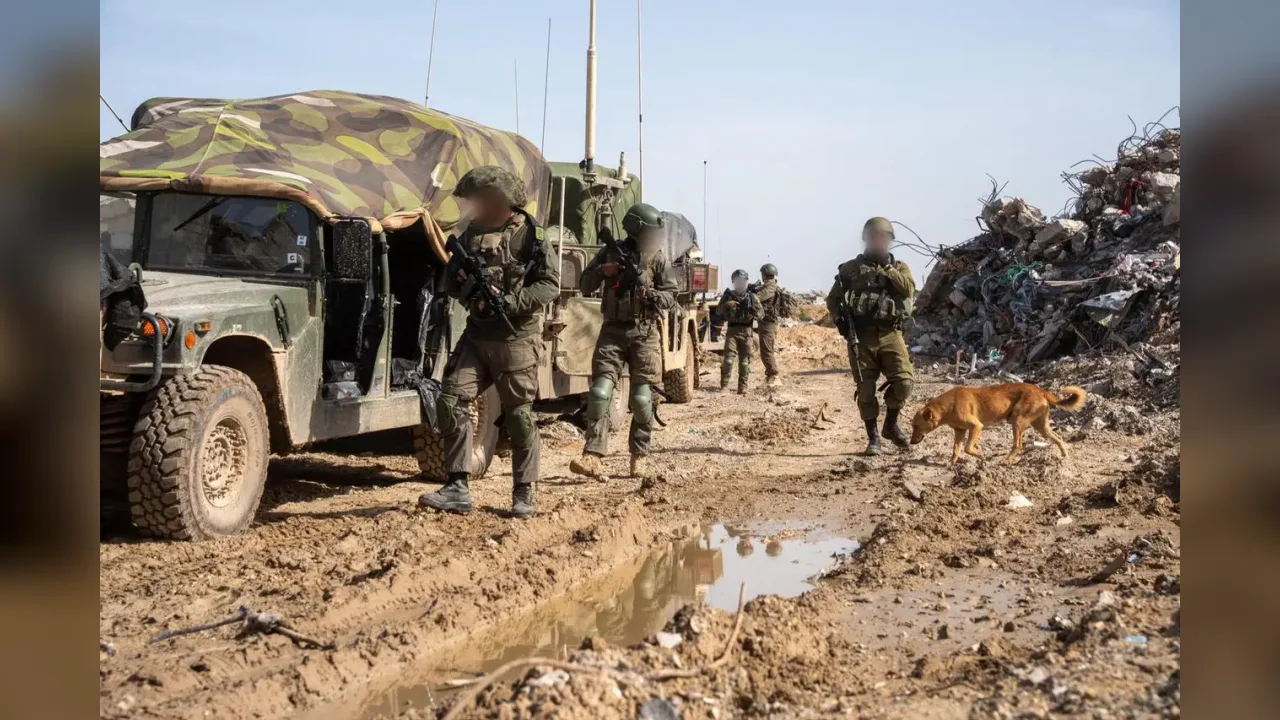
Reflecting on the outbreak of the war on October 7, 2023, Rabbi Horowitz recalls being mobilized immediately to Soroka Medical Center in Beersheba, where he spent 24 hours processing and identifying dozens of fallen soldiers before their transfer to Shura military camp. Beyond tending to the fallen, Ram 2 rabbis assist medical teams in identifying unconscious patients in shock trauma units using specialized fingerprinting protocols, enabling rapid notification to military authorities and families. The daily mission, however, centers on supporting families who temporarily relocate their entire lives to hospital corridors.
"When a soldier is severely wounded in combat, not only the soldier but the entire family undergoes a radical upheaval. They effectively move into the hospital for months on end, leaving behind their work, studies, and daily routines."
Miracles of Faith and Resilience in Wards
Rabbi Horowitz recounts extraordinary moments of faith among families from diverse backgrounds, including secular Israelis who find deep comfort in prayer and spiritual connection during extended hospital vigils. In one notable case at Soroka Medical Center, an engineering corps soldier arrived in critical condition on ECMO support with minimal survival prospects. His partner, sustained by unwavering hope, requested tefillin in anticipation of his recovery so he could celebrate a belated bar mitzvah. Funded by a donation from the father of another wounded soldier, the tefillin waited on an intensive care windowsill for over two months until the soldier miraculously awakened and later celebrated his bar mitzvah in rehabilitation at Tel Hashomer.
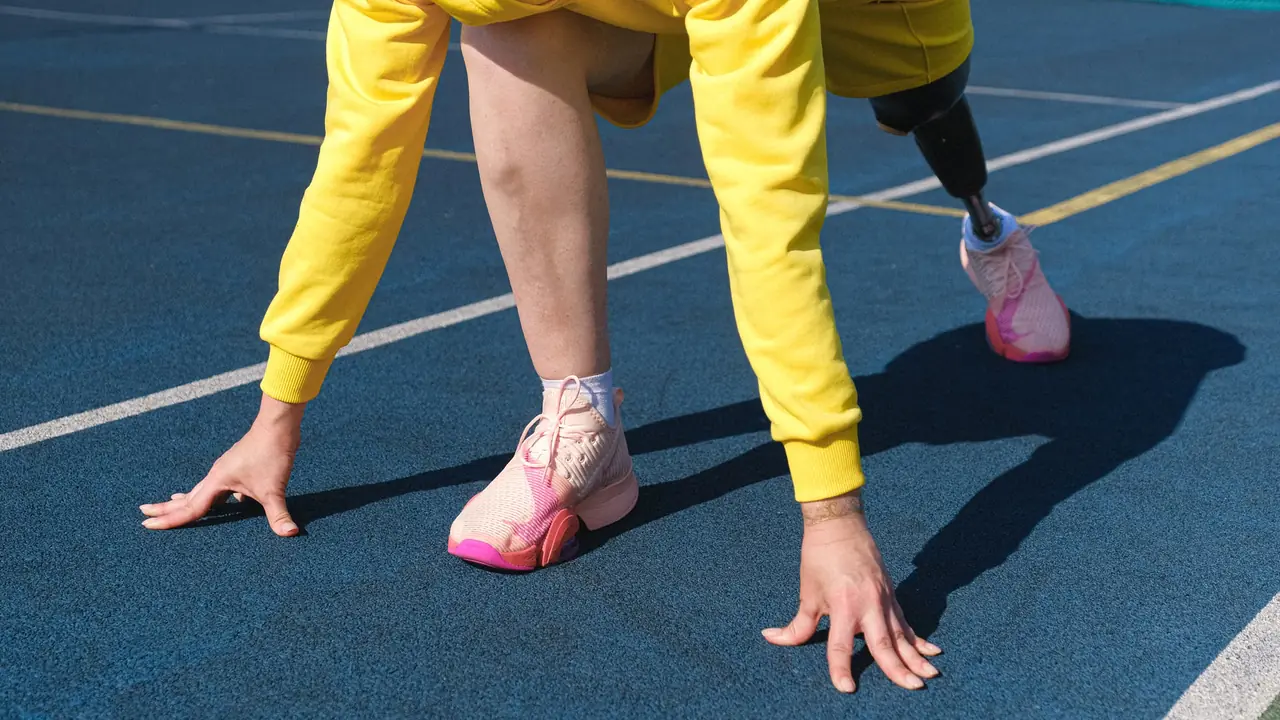
In another instance, the partner of a soldier paralyzed from severe spinal injuries resolved to recite daily expressions of gratitude and Psalms for his recovery, despite her secular kibbutz background. Rabbi Horowitz emphasizes that such stories reveal extraordinary purity of soul and spiritual strength. Families facing limb amputations or permanent physical changes exhibit remarkable pride rather than despair, often expressing gratitude for the privilege of sacrifice.
Heroism Beyond the Battlefield
Concluding his reflections on the national memorial day for wounded soldiers and victims of hostilities, Rabbi Horowitz draws a direct parallel between battlefield valor and the quiet, enduring fortitude displayed inside hospital wards.
"There is tremendous heroism on the battlefield, but no less, and perhaps more, is the heroism in hospital wards, by the hospital beds, dealing with the daily pain and profound physical transformations."
Even in moments of ultimate grief, when mortally wounded soldiers pass away despite intensive medical efforts, families display astonishing fortitude. Rabbi Horowitz recalls a grieving mother who, immediately after her 19-year-old son passed away in intensive care, recited a psalm of thanksgiving to God for blessing her with such a righteous and dedicated son, later choosing to donate his organs to save others.