Rebuilding Lives After Terror: Survivors Share Journeys of Resilience
Abe Moses, chair of Israel's Terror Victims Organization, visits survivors of terror attacks to highlight their journeys of physical and psychological rehabilitation and resilience.
Rebuilding Lives After Terror: Journeys of Recovery and Resilience
Decades after losing his wife and young son in a firebombing attack near Alfei Menashe in April 1987, Abe Moses dedicated his life to supporting survivors of hostile terrorist and sabotage activity. Reflecting on his own harrowing recovery, Moses recounted hearing an inner voice urging him to assist others after surviving the tragedy that claimed the lives of his wife, Ofra, and five-year-old son, Tal. A year after his hospital discharge, he helped establish Israel's Terror Victims Organization, which he now chairs.
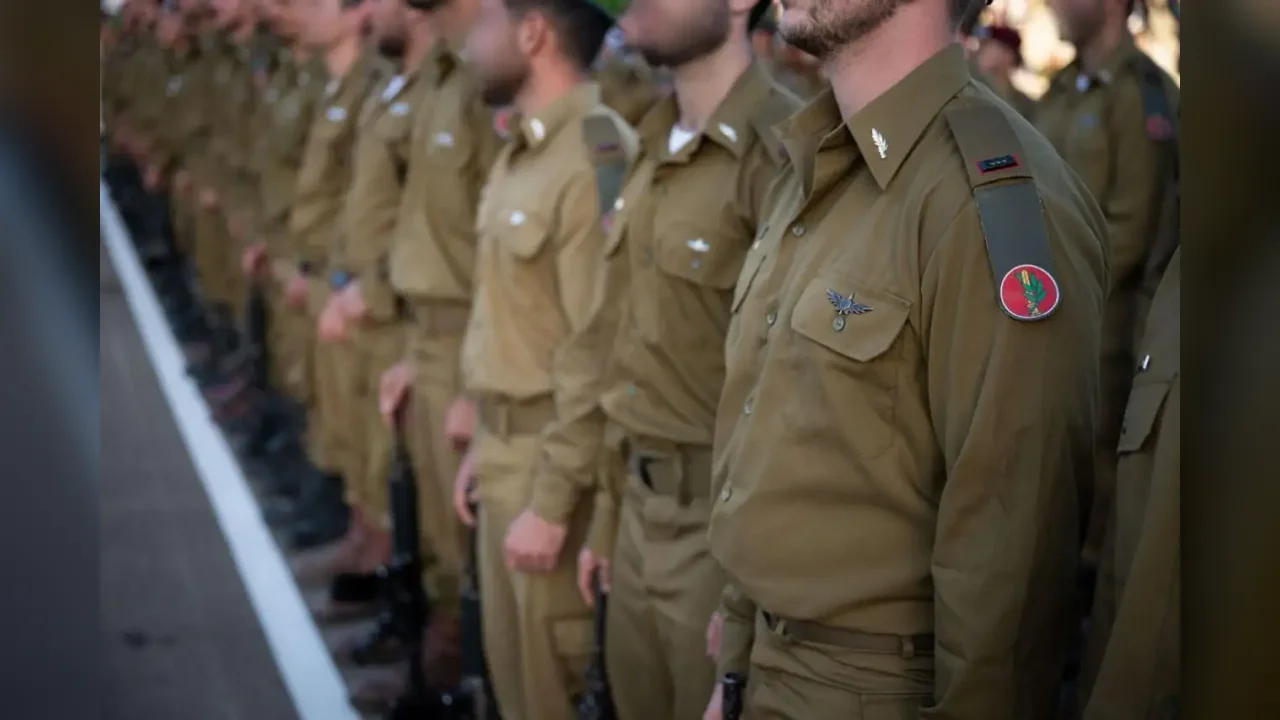
Ahead of the national day of recognition for wounded IDF veterans and victims of terror, Moses met with survivors and their families to explore their paths to rehabilitation. Among them was Tal Lewal, who was severely injured in the March 4, 1996, terrorist attack at Dizengoff Center in Tel Aviv at the age of 16. Waking up in Ichilov Hospital with his mother by his side, Lewal faced an arduous recovery from extensive burns that required specialized pressure garments.
Overcoming Severe Injuries Through Determination
To regain mobility in his burned hand, Lewal turned to playing the guitar, transforming his rehabilitation into a musical exercise. Despite sustaining critical injuries, he resolved not to let the attack define his future. He completed his military service, traveled abroad, earned an engineering degree from university, and married Michal, with whom he has two children. Although an ear injury ended his competitive swimming career, he embraced off-road cycling in the Carmel region as a vital physical and psychological therapy.
Sport and Rehabilitation at Beit Halochem
Another survivor Moses visited was Alona Sportov, who was critically wounded at age 14 and a half in the June 1, 2001, terrorist attack at the Dolphinarium. Her mother, Irena, recalled that Alona remained unconscious for over two weeks with little chance of survival. Driven by unwavering hope, Irena hung a photograph of her daughter taken shortly before the attack above her hospital bed.
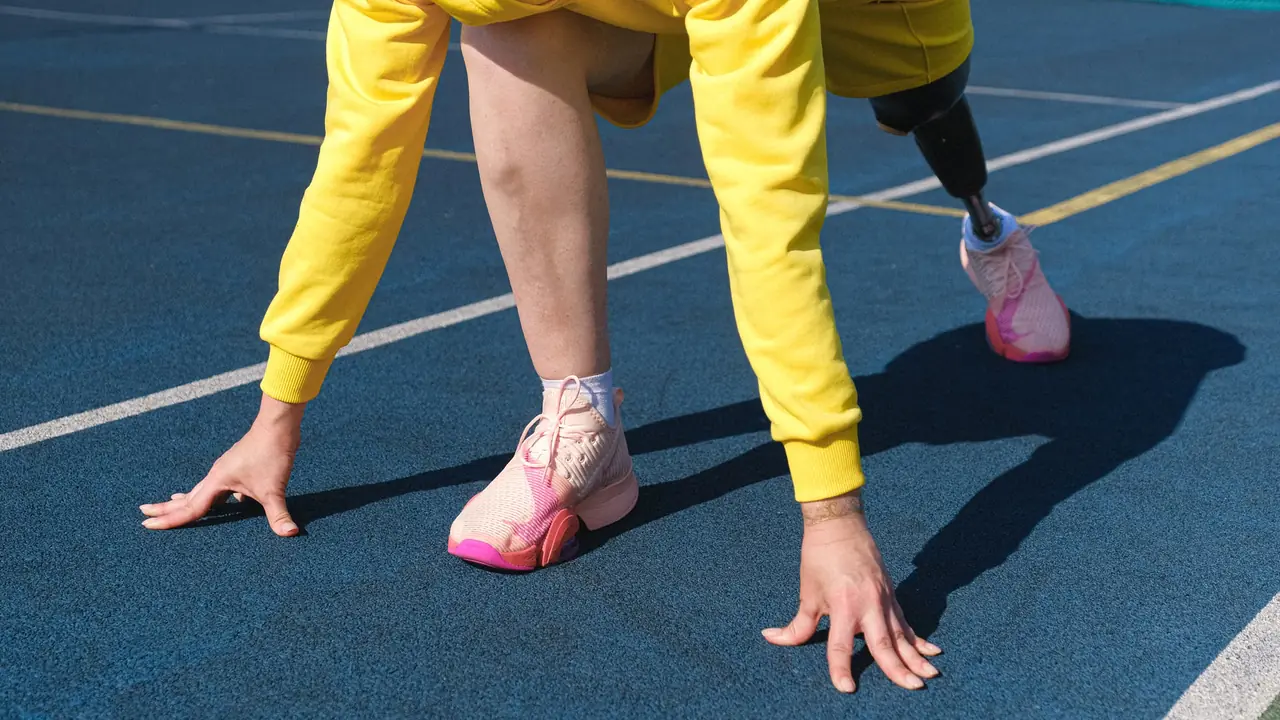
During her recovery at the Beit Halochem center in Tel Aviv, Alona fought to regain her speech and motor skills. Despite struggling to control her hand, she was determined to play table tennis, initially using a walker and later a cane. Several years later, she represented Beit Halochem at the Israeli Table Tennis Championship for athletes with disabilities, securing second place in her category.
Standing Firm in the Face of Oct 7
When the October 7, 2023 terror attack unfolded, Noa Hanukka was nine months pregnant at her home in Kibbutz Mefalsim, awaiting word from her husband, Noam. Driving near Sderot, Noam was critically wounded by gunfire from terrorists and remained trapped in his truck for 32 minutes, suffering severe blood loss before a soldier intervened. When Noam called to say goodbye, Noa firmly told him, "You do not have permission to die."
Eleven days later, on the couple's wedding anniversary, their son Roi was born. Noa brought the newborn to the hospital daily, placing him on Noam during his grueling recovery to inspire healing. Two years later, their second son, Oz, was born. Returning from maternity leave, Noa transitioned to a new role within the Jewish Agency, establishing and managing a network of volunteers from abroad to support communities in Israel's northern and border regions.
Reflecting on nearly four decades of volunteer work, Moses emphasized that supporting fellow survivors provides enduring strength, validating his guiding philosophy to help others rebuild their lives.