IDF Officer Balances Humanitarian Aid and Security on Mount Hermon
Nearly two years after the fall of the Assad regime, IDF forces managing the Syrian Mount Hermon sector navigate complex civil administration, humanitarian aid, and local security challenges amidst ongoing political uncertainty.
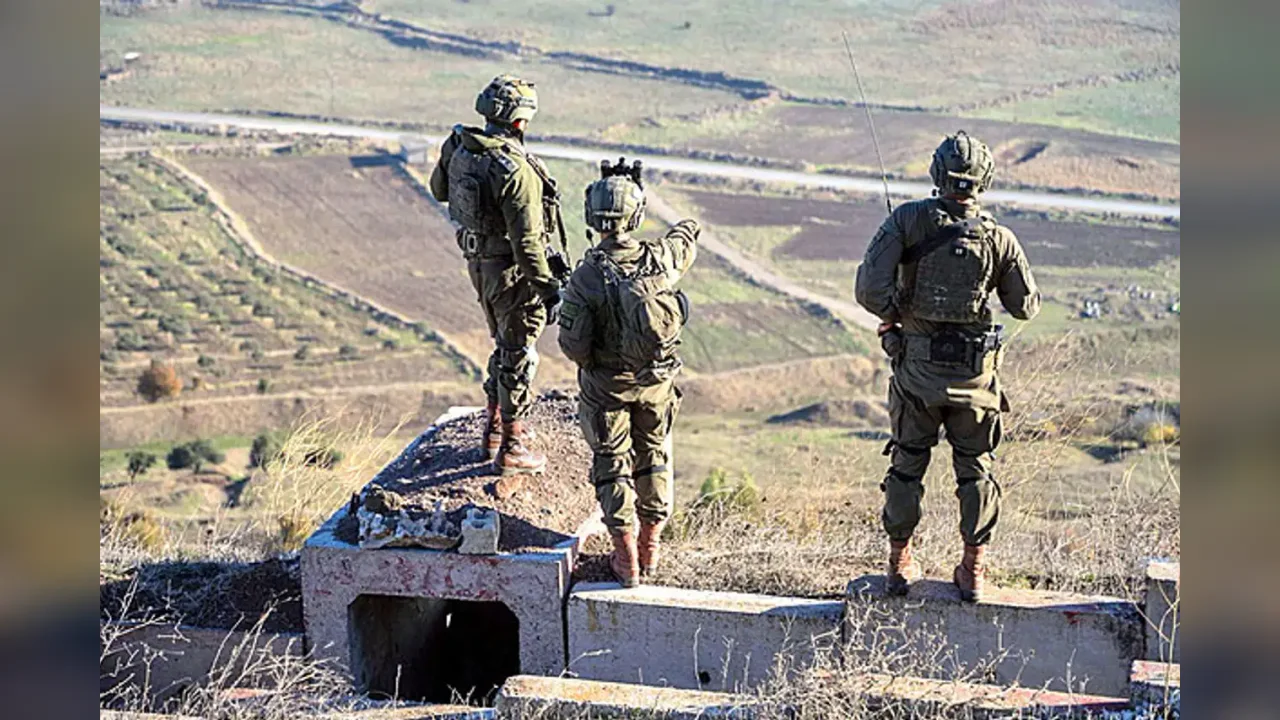
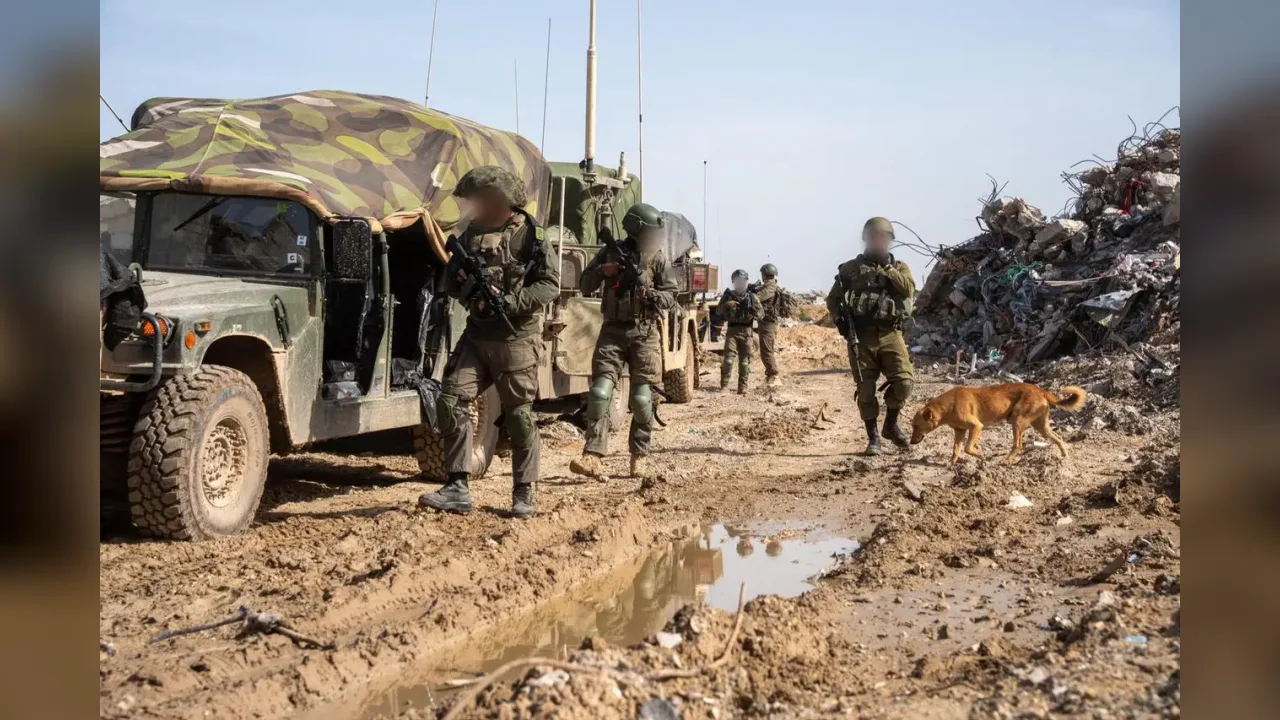
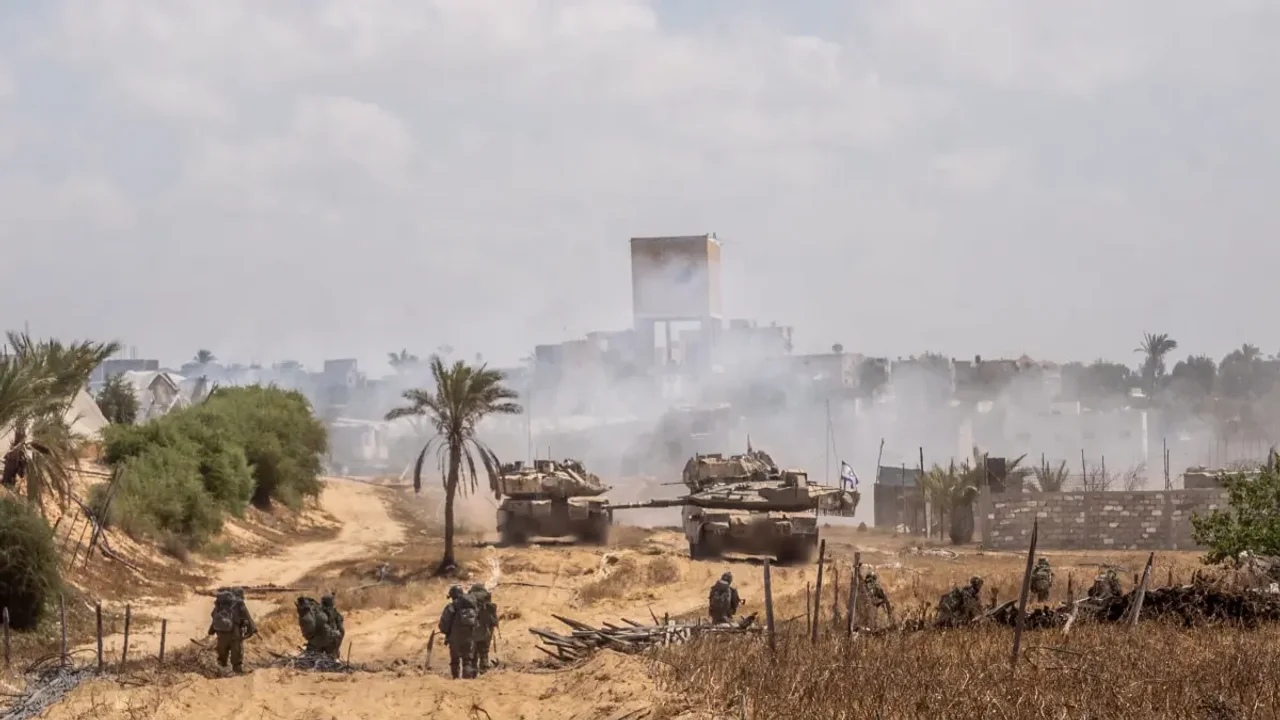
Nearly two years after the collapse of the regime led by the Assad dynasty in December 2024, the Israel Defense Forces maintain an expanded security buffer zone on the Syrian peak of Mount Hermon and in Quneitra province. For Major A., an outgoing local officer of the Mountain Brigade, this reality has meant managing not only a military front but a complex civilian sphere inhabited by Syrian villagers who find themselves cut off from Damascus.
Navigating a New Civilian Reality
Since the military seized the crest of Mount Hermon, the operational mandate of the forces expanded to include delivering food and medical supplies, addressing electrical failures, and mediating local clan disputes. Major A., a Bedouin officer from northern Israel, notes that the local population lives in severe economic distress, with average monthly incomes hovering around sixty US dollars. Although soldiers step in to maintain public order—even intervening in a local murder investigation between feuding clans—the lack of a permanent political settlement remains a core grievance among the residents.
"We cannot give them that sense of certainty," Major A. explains regarding his interactions with village elders and sheikhs. "The central question is always: 'What happens to us? Do we remain under Syria? Are you annexing us? Where are we headed?'"
While some villagers initially feared the presence of Israeli troops, others quietly hoped the intervention would lead to permanent annexation. However, military commanders repeatedly clarify that such decisions rest entirely with the political leadership in Jerusalem rather than the tactical echelon.
Strategic Dilemmas and Broader Implications
Further south in Jabal al-Druze, the situation resonates with broader regional dynamics, particularly following Israeli military intervention in July 2025 to protect the Druze community in Sweida from targeted violence. Local leaders in Sweida emphasize the importance of forging a long-term strategic alliance with Israel as a counterweight to ongoing regional instability and extortion by transitional authorities.
At the same time, critics within Israel question the sustainability of a prolonged military presence, warning that it strains operational resources and complicates potential diplomatic understandings with the transitional government of Syrian President Ahmed al-Sharaa in Damascus. Major A. draws a clear distinction between his duties as an executing officer and the strategic decisions facing the government:
- Tactical Execution: Maintaining border security, providing humanitarian relief, and managing local civil affairs.
- Strategic Decisions: Determining long-term territorial status, negotiating future bilateral agreements, and setting national policy.
As Major A. prepares to hand over command, he reflects on the heavy personal toll exacted by continuous service since the outbreak of the War of Revival following the October 7, 2023 attacks. Married just days before the conflict erupted, he spent months away from his family, leaving his young son to ask searching questions during brief respites at home. Requests for comment sent to Prime Minister Benjamin Netanyahu and Yashar! party leader Gadi Eisenkot regarding Israel's long-term policy in Syria yielded no response prior to publication.