ICJ Rules Myanmar Forces Committed Mass Killings and Atrocities Against Rohingya
The International Court of Justice ruled that Myanmar security forces killed thousands of Rohingya Muslims and committed widespread atrocities, marking a landmark genocide ruling.
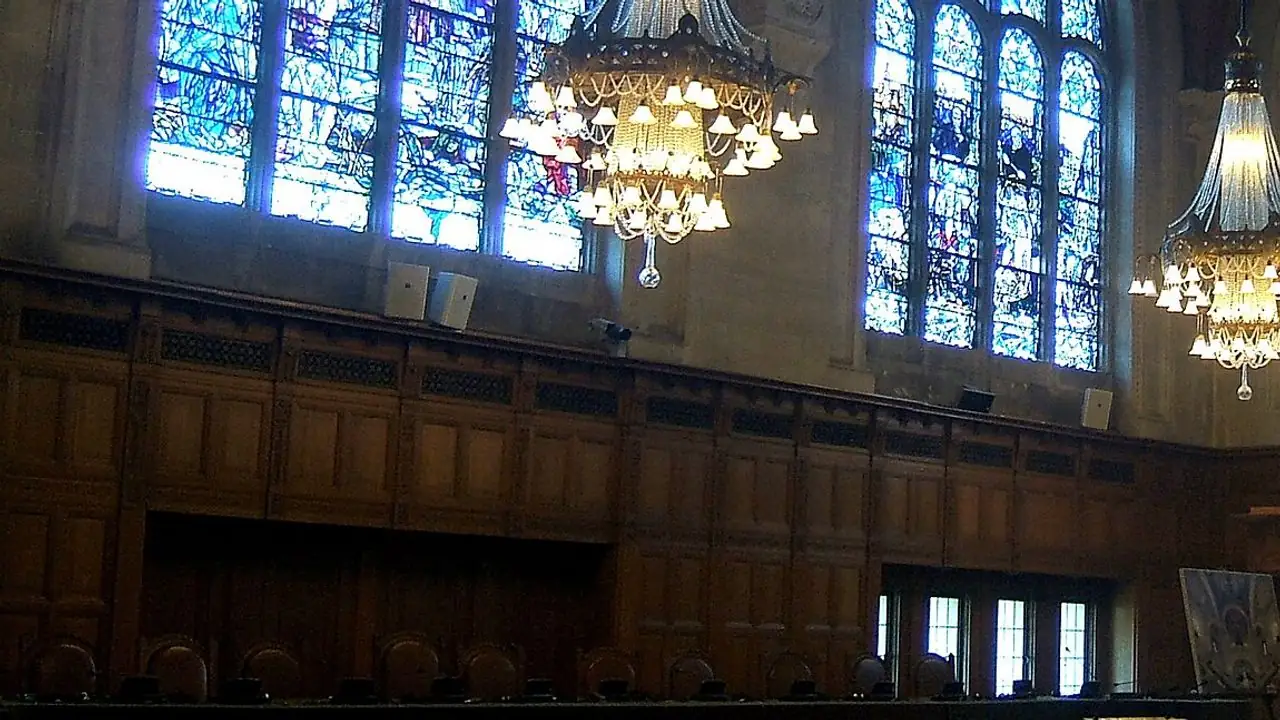
The International Court of Justice in The Hague ruled that security forces in Myanmar killed thousands of minority Rohingya Muslims, committed widespread sexual violence, and targeted children. The decision was issued within the framework of a lawsuit filed by Gambia against Myanmar, accusing the state of committing genocide against the Muslim minority.
The court stated that Myanmar security forces carried out extreme acts of violence against children and attacked Rohingya individuals attempting to flee en masse to neighboring Bangladesh. This marks a significant ruling in a case filed nearly seven years ago, representing one of the foremost proceedings in international law addressing state responsibility for the crime of genocide.
Origins of the Mass Displacement
Gambia initiated the lawsuit in November 2019, accusing Myanmar of violating its obligations under the 1948 United Nations Genocide Convention. The proceedings detailed that security forces conducted a deliberate campaign of arson, rape, and murder in Rakhine State during 2016 and 2017 with the intent to destroy the Rohingya minority, in whole or in part. A United Nations fact-finding mission estimated that approximately 10,000 people were killed in the massacres, while around 700,000 Rohingya fled to Bangladesh, where most remain in the world's largest refugee settlement area. Persecution of the Muslim minority in the predominantly Buddhist nation spans decades, with many community members stripped of citizenship and forced into displacement camps.
Legal Defense and Political Fallout
In December 2019, Nobel Peace Prize laureate and de facto civilian leader Aung San Suu Kyi traveled to The Hague to defend her country against the allegations, dismissing the claims as incomplete and misleading. Her appearance severely damaged her international reputation as a human rights icon, drawing heavy criticism from activists for defending the military that had previously placed her under house arrest. In 2020, the court ordered Myanmar to take all measures within its power to prevent acts of genocide against the Rohingya, a directive human rights organizations argued was blatantly ignored. The following year, the Myanmar military staged a coup, ousted the democratically elected government, detained Suu Kyi, and plunged the country into a bloody civil war.
International Precedent
The case against Myanmar is considered a landmark precedent because it addresses direct state responsibility for genocide under international treaty law. The court's findings in such cases carry implications for how similar allegations are evaluated across the international legal arena. Consequently, the proceedings have attracted close attention globally, including in Israel, which faces separate genocide allegations brought before the International Court of Justice concerning military operations in the Gaza Strip.