China Wages Aggressive Campaign Against Japan Amid Rising Taiwan Tensions
China is waging an aggressive diplomatic, economic, and propaganda campaign against Japan, branding it the 'Israel of East Asia' and urging the US to curb Tokyo's military buildup.
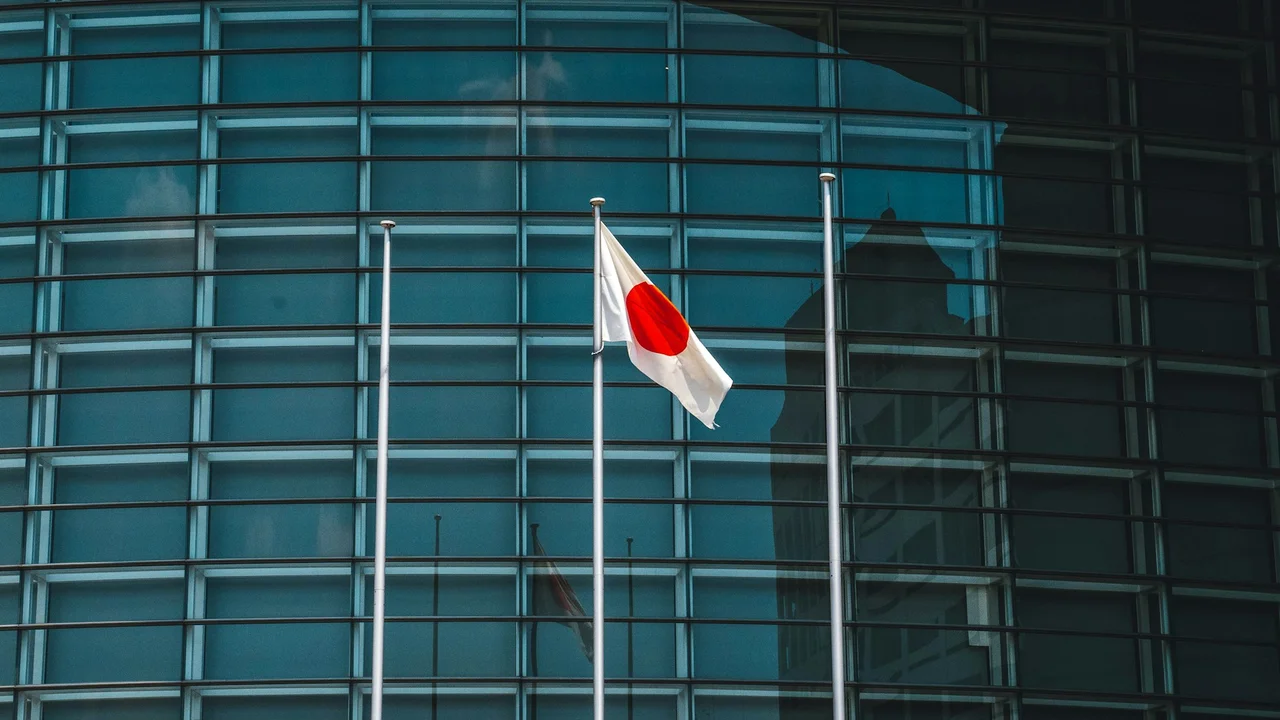
Tensions between Japan and China are intensifying, with the future of Taiwan and the prospect of Japanese intervention in the event of a Chinese attack standing at the center of the dispute. Japanese Prime Minister Sanae Takaichi stated that her country's position on Taiwan has remained unchanged, attempting to clarify Tokyo's policy amid the ongoing crisis with Beijing. Takaichi made the remarks during her visit to China for the APEC summit, emphasizing that Japan's stance remains as established in the 1972 joint communique between the two nations.
Behind the seemingly moderate diplomatic statements, however, a much broader confrontation is underway. Reports reveal that China has been waging a sustained campaign against Japan over the past year, incorporating propaganda, diplomatic measures, and economic pressure designed to damage Tokyo's international standing and undermine its relations with the United States and its allies.
The Chinese Narrative to the West
One of the most unusual expressions of this campaign emerged in private discussions between Chinese academics and their Western counterparts. Chinese researchers reportedly portrayed Japan under Takaichi's leadership as the "Israel of East Asia," implying a nation that could lead the United States into a military confrontation and destabilize the region.
David Sacks, a China expert at the Council on Foreign Relations, participated in a meeting with a delegation of Chinese researchers in South Korea and noted that his interlocutors repeatedly expressed apprehension regarding Japanese militarism. According to Sacks, the objective is to prompt US President Donald Trump to restrain his ally and compel Tokyo to reduce tensions with Beijing.
Warnings to Washington and Diplomatic Pressure
When Chinese President Xi Jinping met with US President Donald Trump at the White House earlier this year, he raised an unusual warning regarding Japan. Xi argued that Japanese military buildup threatens to destabilize Asia and urged Trump to exercise caution in cooperating with Takaichi, whom he characterized as a militarist. The Chinese messaging was designed to distance Washington from Tokyo and prevent Japan from becoming an obstacle to China's regional expansion.
In the same conversation, Xi attempted to enlist Trump in the anti-Japan effort by highlighting the historical World War II alliance between the United States and China while framing Japan as a shared adversary.
Propaganda Campaigns and Economic Restrictions
Following Takaichi's comments regarding the possibility that Japan might need to defend Taiwan in the event of a Chinese invasion, Beijing escalated its media offensive against Tokyo. More than 60 public briefings by the Chinese Foreign Ministry featured accusations of Japanese remilitarization or neo-militarism, while the Communist Party newspaper People's Daily published 65 articles utilizing the term neo-militarism in the Japanese context.
Takaichi's persona also became a target, with Chinese officials repeatedly avoiding her official title as prime minister. State media outlets published caricatures depicting her in samurai armor and nurse uniforms, alongside AI-generated videos featuring a rhinoceros draped in the Japanese Rising Sun flag rampaging across land and sea. Beyond propaganda, China discouraged citizen tourism to Japan, restricted exports of critical minerals, and imposed limitations on Japanese seafood imports.
Tokyo Accelerates Defense Buildup
The confrontation unfolds against the backdrop of a profound shift in Japanese security policy. Driven by concerns over China's growing military might, Takaichi has accelerated her country's rearmament program. Japan raised its defense spending to two percent of gross domestic product two years ahead of schedule and eased post-World War II restrictions on arms exports, with further budget increases anticipated under a new national security strategy.