Gulf States Shift Strategy Against Iran Amid Regional Attacks and Protests
Middle Eastern nations are abandoning appeasement, forming joint defense commands and confronting Iranian proxies after facing thousands of recent missile and drone attacks.
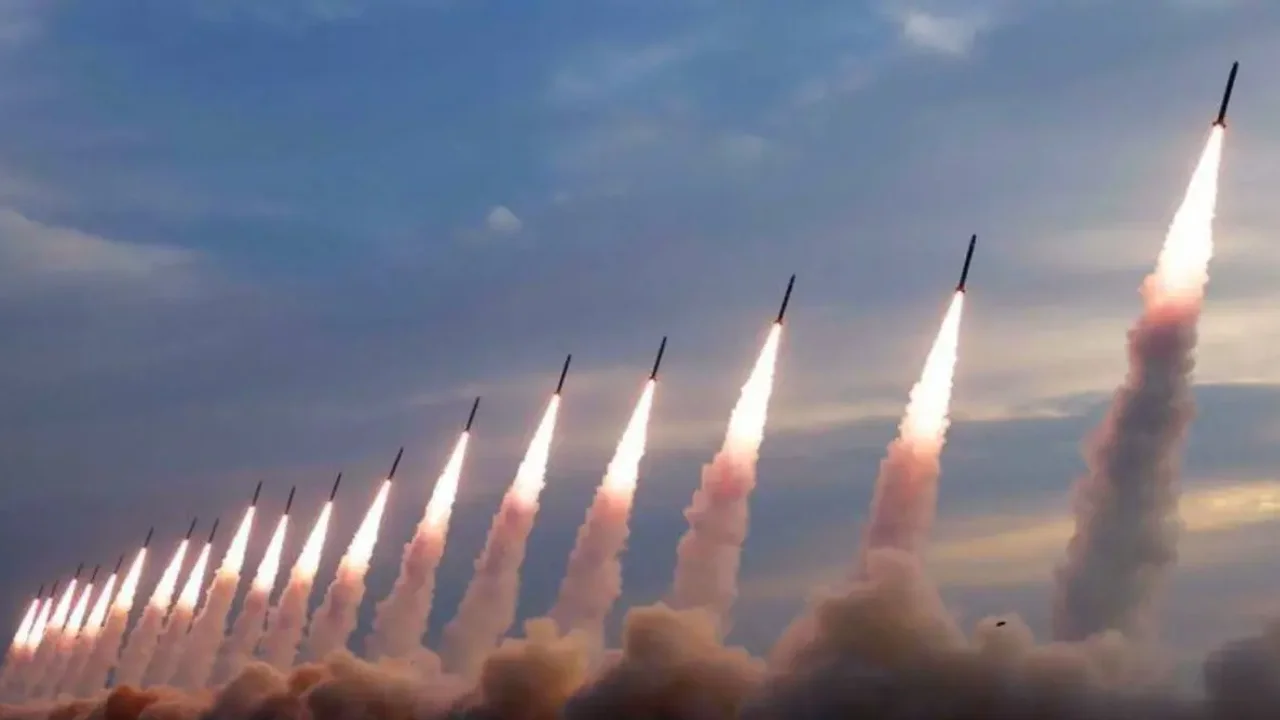
A sweeping geopolitical shift is reshaping the Middle East as moderate Arab nations in the Persian Gulf abandon their traditional policy of appeasement toward Iran. Following a barrage of over 7,000 missiles and unmanned aerial vehicles fired by Iran at regional states since February 2026, Gulf capitals are abandoning quiet diplomacy in favor of defensive and military integration.
Mounting Pressure on Bahrain and the Gulf Response
The island nation of Bahrain, which maintains Abraham Accords normalization with Israel and hosts a US naval base, bore the brunt of four recent aerial attack waves within a week. Tehran has sought to subvert the Sunni-ruled monarchy from within by leveraging its majority Shia population. A Bahraini court recently handed down life sentences to 64 defendants, including 60 Shia clerics, for orchestrating an Iranian-backed coup attempt.
In response to explicit threats from Iran's Islamic Revolutionary Guard Corps against Bahrain's survival, Saudi Arabia swiftly pledged unconditional support for Manama, signaling it will not tolerate an Iranian-aligned proxy state on its border. Simultaneously, Gulf states established a new joint military command center in Kuwait to coordinate integrated airspace defense, following successful Kuwaiti interceptions of incoming hostile drones.
Strategic Realignments in Kuwait, Qatar, and Iraq
Gulf countries continue to walk a diplomatic tightrope, initially withholding permission for US forces to launch counterstrikes from their territory and pushing Washington for a political settlement. However, renewed Iranian aggression prompted Saudi Arabia and Kuwait to reopen military bases to American forces. Kuwait also summoned the Iranian ambassador following the disruption of an espionage cell targeting its interior minister.
Meanwhile, Qatar pursued a parallel diplomatic strategy by signing a mutual defense agreement with Turkey. While Ankara cannot substitute for US military might, the pact signals to Tehran that Doha possesses alternative diplomatic backing. In Iraq and Jordan, authorities moved decisively against Iranian influence by blocking Telegram to curb extremist propaganda and terror recruitment. Iraqi Prime Minister Mohammed Shia' al-Sudani deployed military armor to encircle an autonomous zone south of Baghdad operated by Kataib Hezbollah, demanding that the Iranian-backed militia disarm and vacate the area.
Regional Defense Coordination and Internal Iranian Strains
Behind the scenes, the United States is actively orchestrating a regional security architecture. US Central Command chief Admiral Brad Cooper arrived in Saudi Arabia with a team of more than 36 air defense specialists, holding high-level consultations with Crown Prince Mohammed bin Salman before traveling to Israel for tripartite strategic talks with top military and intelligence leadership.
"Moderate Arab states are refusing to bow to coercion, combining joint military command structures, counter-militia operations, and strengthened Western partnerships to counter escalating Iranian aggression," regional defense analysts noted.
While Tehran continues its aggressive posturing, domestic pressures inside Iran are mounting. Widespread fuel shortages have sparked angry demonstrations and long queues at petrol stations across several Iranian cities, compounding the regime's strategic isolation.