New York Sues Notorious Landlord Barry Singer for $10 Million Over Housing Neglect
New York City has filed a $10 million lawsuit against real estate investor Barry Singer, utilizing the False Claims Act to target severe housing neglect across multiple residential properties in the Bronx and Brooklyn.
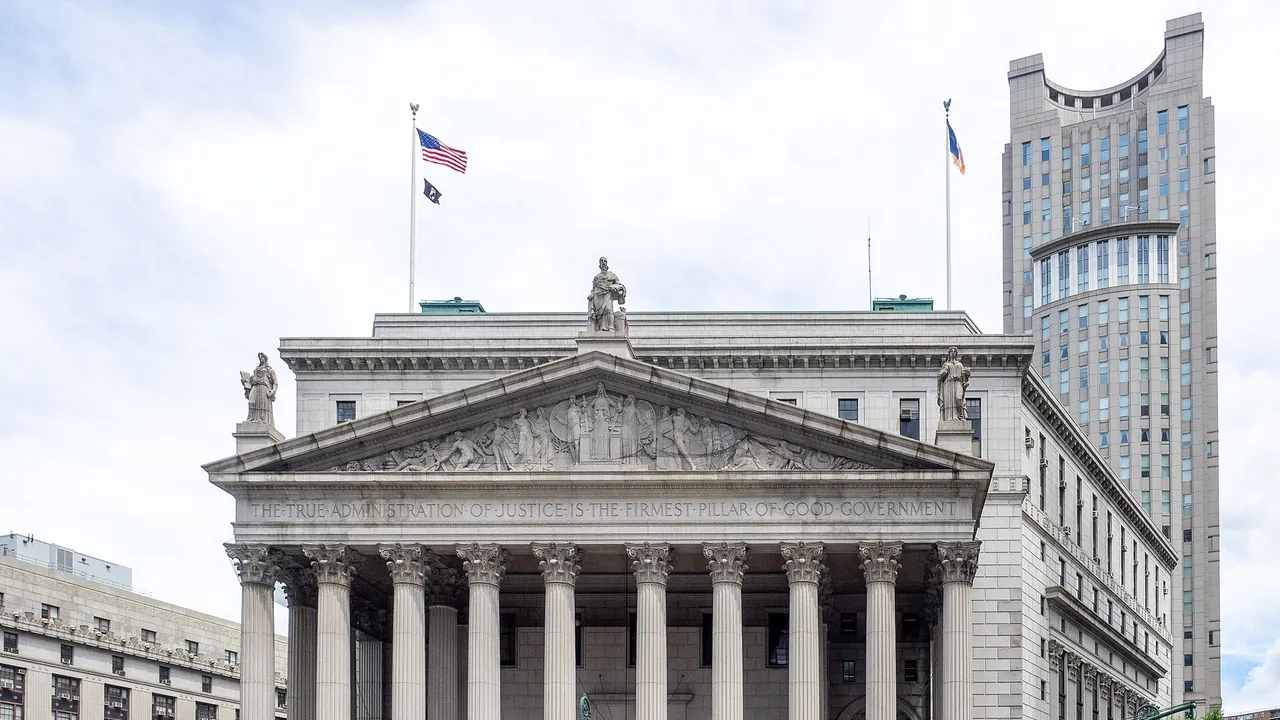
New York City has launched an unprecedented legal battle against prominent real estate investor Barry Singer, filing a lawsuit exceeding $10 million in the Supreme Court of the State of New York in Bronx County. Municipal authorities aim to force the landlord to rectify severe building code violations, recover public funds, and pay heavy financial penalties following years of reported tenant neglect and deteriorating housing conditions across 11 residential properties in the Bronx and Brooklyn.
Mounting Violations and Abandoned Buildings
City inspectors uncovered hundreds of severe safety and maintenance infractions across Singer's portfolio, including crumbling walls, rusted fire escapes, leaking roofs, and rat infestations. In one Bronx residential building housing dozens of families, inspectors documented 456 violations, with 183 classified as immediately hazardous. Another structure, severely damaged by a major fire in January 2025, still features missing roof sections, broken windows, and a partially collapsed area while remaining under a full vacate order.
According to municipal officials, Singer amassed more than $1 million in unpaid debts for emergency repairs and pest control that the city was forced to execute in his place. Authorities state that the landlord utilized a network of corporate entities to evade accountability and sidestep penalties. For the first time in municipal history, the city is deploying the False Claims Act against a property owner—a legal instrument traditionally reserved for combating financial fraud against state authorities.
"We will not stand by as landlords neglect their buildings and abandon tenants to dangerous conditions for decades," municipal leadership declared in a public statement.
Real Estate Rise and Historical Controversy
The son of a prominent Manhattan Orthodox rabbi, Singer initially pursued a different career path, studying for a doctoral degree in clinical psychology at Harvard University during the 1980s before transitioning into real estate. He began acquiring older buildings in Manhattan, particularly Harlem, during a period when many investors avoided distressed neighborhoods. His strategy of purchasing low-cost properties and renovating vacant apartments generated vast wealth as Harlem gentrified. By the mid-2000s, he reported selling a portfolio of 104 buildings for $450 million and participated in land acquisitions in the Hudson Yards area long before its commercial boom.
Despite his commercial success, Singer faced persistent accusations from tenants and former employees regarding aggressive tactics aimed at displacing rent-regulated occupants, including alleged use of intimidating dogs and simulated eviction notices. Over the years, his name also became linked to historical events, including the fatal 1995 residential building collapse on 140th Street in Manhattan, though subsequent investigations and municipal records established that he acquired the property months after the disaster and bore no responsibility for the structural failure.
Redefining Enforcement and Accountability
Singer previously topped the municipal public advocate's annual list of the city's worst landlords in 2024 with an average of 1,804 open violations across seven buildings, and ranked third in early 2026 with 2,885 violations across 15 properties. Municipal housing commissioners describe the new lawsuit as a transformative operational strategy designed to compel negligent landlords to rehabilitate their properties or exit the housing market entirely.
The city is demanding penalties of up to triple the original debt, fines reaching $28,619 per violation under the False Claims Act, and an additional $1,000 per day for breaches of local housing maintenance codes. Legal representatives for Singer have not yet responded to requests for comment regarding the lawsuit, leaving the disputed residential buildings subject to ongoing judicial scrutiny and mandatory repair orders.