Global Markets Plunge as Wall Street Tech Sell-Off Erases $2.5 Trillion
Global markets plunged as Wall Street suffered a massive tech sell-off, erasing $2.5 trillion in Nasdaq value. US Treasury yields fell to 4.82%, while oil prices climbed near $99 per barrel amid rising geopolitical tensions.
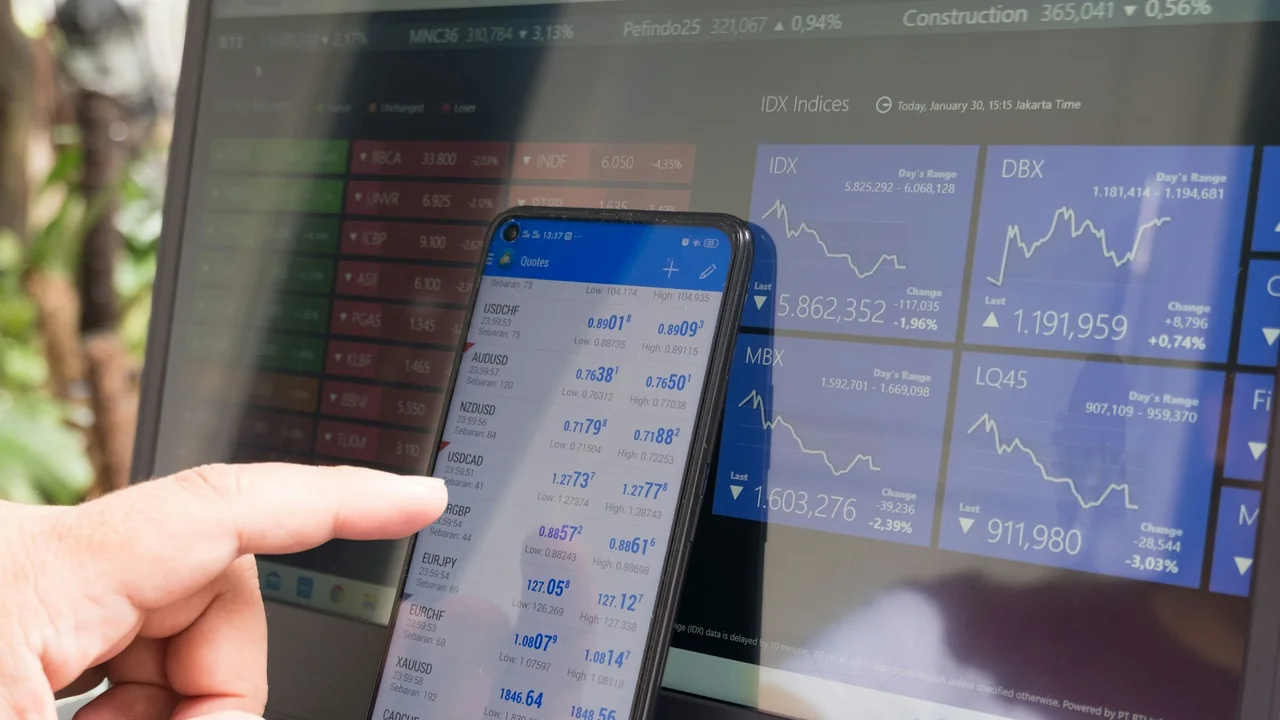
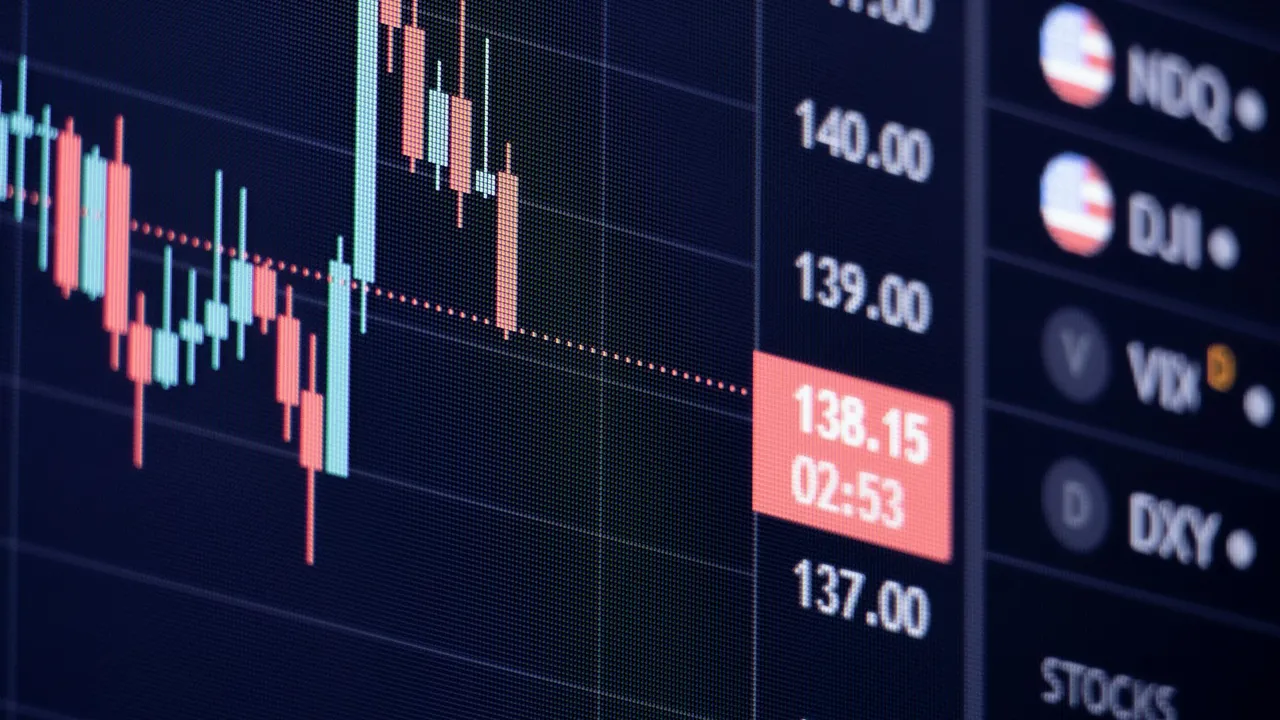
Global financial markets experienced a severe downturn following a sharp sell-off on Wall Street and heightened political uncertainty. The Nasdaq 100 plummeted by 5%, erasing approximately $2.5 trillion in market capitalization in one of the most punishing trading sessions in recent years. The S&P 500 dropped 4%, marking its steepest daily decline since the April 2025 tariff turbulence, while the VIX volatility index surged 55%.
Sector Losses and Safe-Haven Flows
The technology sector bore the brunt of the sell-off, driven by investor concerns over potential regulatory tightening on artificial intelligence following the mid-term elections in the United States. Chipmaker stocks suffered steep losses, with the Philadelphia Semiconductor Index plunging 10%. Qualcomm and ARM shares dropped significantly following disappointing forecasts. Meanwhile, investors rushed into safe-haven assets, pushing US Treasury 10-year yields down to 4.82%.
Israeli Markets and Foreign Exchange
The Tel Aviv Stock Exchange opened sharply lower, pressured by both the global tech rout and domestic political uncertainty. The shekel weakened further against the US dollar, trading around 3.20 NIS per dollar, reflecting a more than 12% depreciation since May. Analysts attribute the pressure on the Israeli currency to heightened political risks and recent US statements regarding security assistance.
Commodities and Macroeconomic Outlook
Crude oil prices advanced over 1.7%, with Brent crude trading near $99 per barrel, driven by supply concerns stemming from geopolitical tensions involving Iran and Russia. Bank of America warned that sustained energy price increases could fuel inflation expectations and keep bond yields elevated globally. Meanwhile, the Bank of England raised its benchmark interest rate to 4%, its first hike in three years, as central banks continue to navigate persistent inflationary pressures.