China Faces Economic Dilemma as Strengthening Yuan Threatens Exporters
China faces an economic dilemma as the strengthening yuan hurts exporters while Western nations demand higher valuations, threatening factories and jobs.
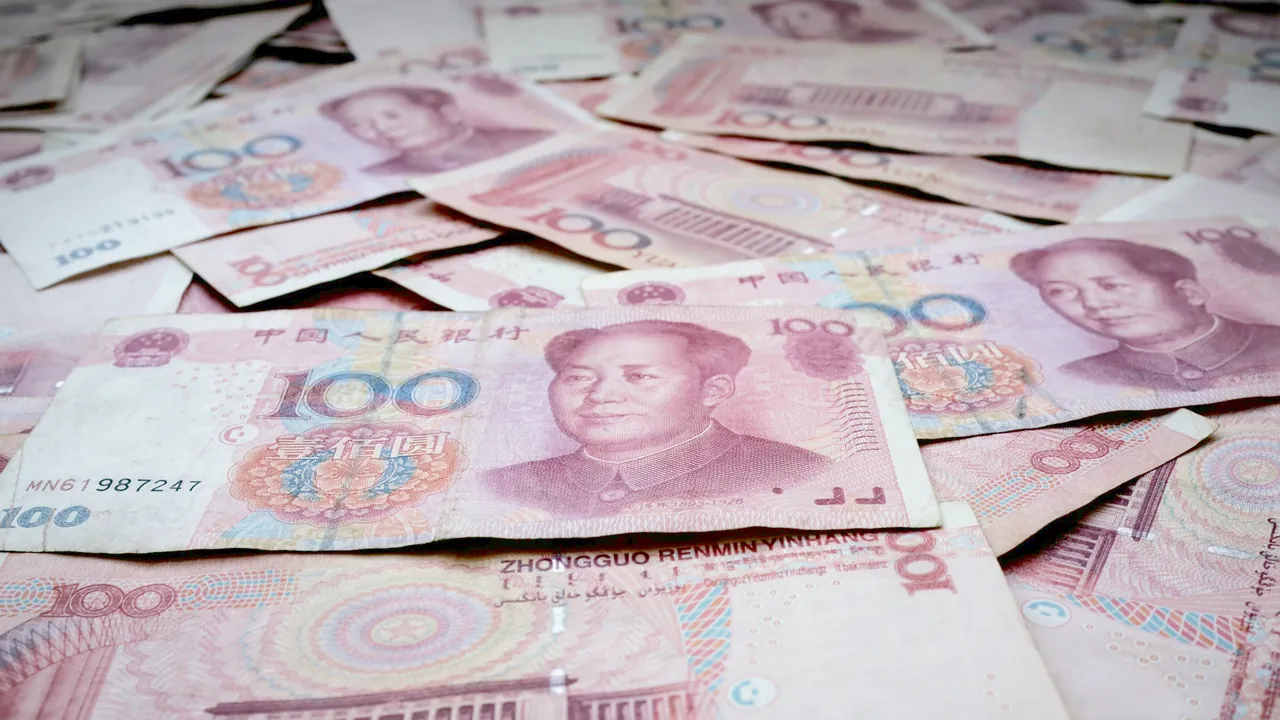
China is currently facing an unusual economic challenge as its local currency, the yuan, strengthens against the US dollar and the euro, sparking deep concern among factory owners across the country. As the yuan appreciates, Chinese products become increasingly expensive for buyers in Europe and the United States, forcing manufacturers to choose between raising prices—risking the loss of customers—or absorbing the financial losses themselves.
At the same time, Western nations argue that the Chinese currency remains undervalued, allowing Beijing to sell goods at exceptionally low prices. This puts Beijing in a bind: what the West perceives as an unfair economic advantage is viewed by Chinese industrialists as a direct threat to their livelihoods and business survival. For an export-driven economy like China's, this dynamic is a double-edged sword.
The Dilemma of Chinese Manufacturers
To understand the crisis, consider a Chinese garment factory selling dresses to Europe. When the yuan is weak, the price in euros or dollars remains competitive, and the factory owner receives enough yuan to pay workers and turn a profit. However, when the yuan strengthens, either the price for the European customer rises and they opt for another country, or the factory is forced to absorb the difference, wiping out razor-thin margins.
Chen Liping, a textile factory owner in Zhejiang province exporting apparel to Europe, explained the dilemma to Reuters: "This has severely hurt our ability to secure orders. Almost no profit remains. If the currency continues to rise, we will not be able to remain in business."
This issue is exacerbated by weak domestic consumption in China. With local demand remaining low, domestic manufacturers are compelled to seek overseas clients at almost any cost, even with near-zero profitability. Data from thousands of publicly traded Chinese companies indicates that their average profit margins stood at just 4.9% this year, compared to nearly 9% among global competitors. In innovative sectors designated by Beijing to lead the economy—such as electric vehicles, batteries, and solar panels—profit margins hover around 2%. German Chancellor Friedrich Merz and IMF economists argue that the Chinese currency remains undervalued by dozens of percentage points, accusing Beijing of indirectly subsidizing exports.
Policy Measures and Future Outlook
Seeking to curb the currency's rise and protect domestic factories, the People's Bank of China announced an increase in the foreign exchange reserve requirement ratio for financial institutions, aiming to inject foreign currency into the market and ease demand for the yuan. Experts note that Beijing possesses additional tools, including informal guidance to banks and relaxed outbound investment regulations.
The debate over the yuan's exchange rate is a strategic crossroads for China's economy and its relations with the rest of the world. If Beijing allows the currency to strengthen further, it may appease diplomatic friction with the US and Europe, but it risks delivering a fatal blow to thousands of small and medium enterprises, sparking widespread unemployment.