Why Garden Sorrel Is Emerging as the Ultimate Winter Immunity Superfood
Nutrition experts recommend garden sorrel as a tangy winter green rich in antioxidants, vitamins A and C, and iron, offering a surprising boost to seasonal wellness.
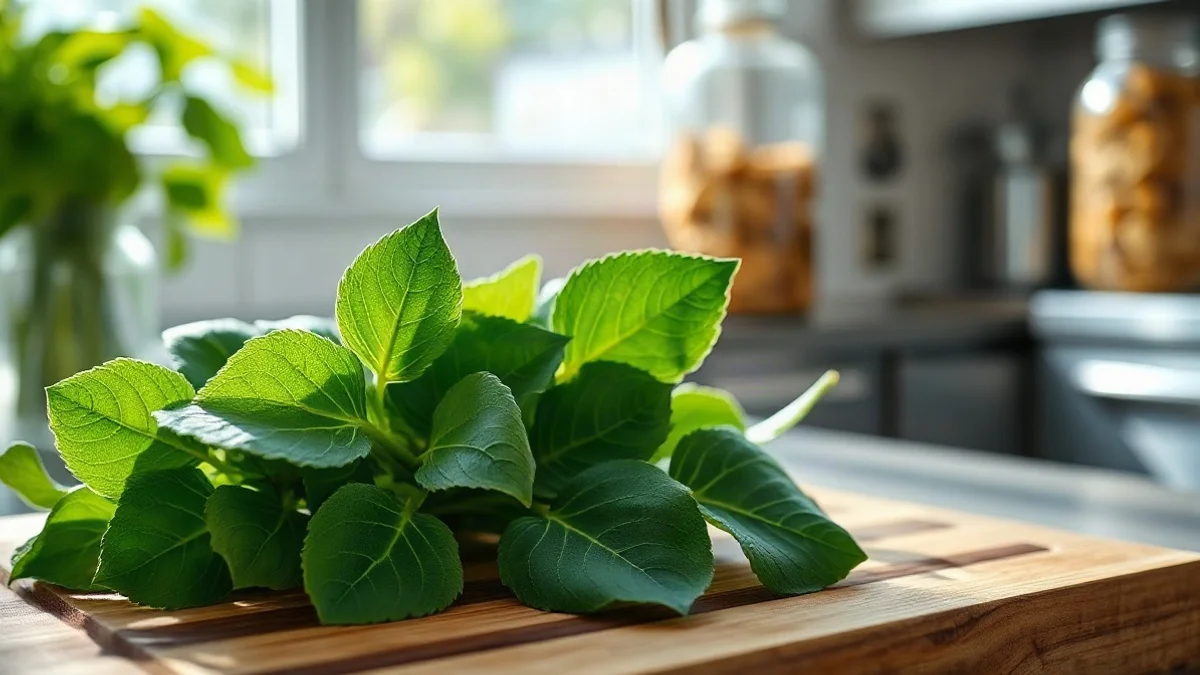
As winter approaches and seasonal illnesses surge, nutrition experts are pointing to a surprising and tangy leafy green as a powerful dietary addition to help support the immune system. Garden sorrel, scientifically known as Rumex acetosa, is capturing renewed attention for its rich nutritional profile, featuring high levels of antioxidants, vitamins, and minerals that help combat cellular damage.
Nutritional Powerhouse and Research Insights
According to recent international media reports, the perennial plant boasts a distinct lemon-like flavor that makes it an appealing alternative to familiar greens like spinach and kale. While not commonly found in standard supermarket chains, the leafy green is readily available at farmers' markets and specialty produce shops. The plant is packed with vitamins A and C, alongside polyphenols and essential minerals such as iron and folic acid, which play a crucial role in cellular renewal and blood cell formation.
Renewed scientific interest in the plant stems from a peer-reviewed study published in the journal PLOS ONE, which evaluated plant compounds and antioxidant activities across various leafy greens. Researchers found that fresh garden sorrel exhibited superior phenolic content and greater antioxidant capacity compared to spinach. Dr. Ronald R. Quinton, medical director of the Goldring Center for Culinary Medicine at Tulane University School of Medicine, highlighted in interviews that the fresh herb outperformed other tested vegetables in laboratory antioxidant measurements.
Culinary Preparation and Important Distinctions
Experts emphasize that preparation methods matter significantly, as heat treatment can alter the concentration of key nutrients found within the leaves. At the same time, nutritionists caution that laboratory-measured antioxidant activity does not automatically equate to proven clinical effects in humans, such as preventing influenza, shortening illness duration, or inhibiting viral replication.
For consumers looking to incorporate the ingredient into their cooking, culinary specialists note that the plant's sharp, acidic kick elevates soups, salads, and sauces. While various species of dock and sorrel grow wild or are cultivated across different regions, consumers should note that garden sorrel remains a specialty item distinct from common yellow-flowered sorrel weeds found in open fields and gardens.