How to Keep Strawberries Fresh and Prevent Mold in the Refrigerator
Discover simple and effective methods to keep strawberries fresh for longer in the refrigerator, prevent mold growth, and maximize their shelf life with proper storage techniques.
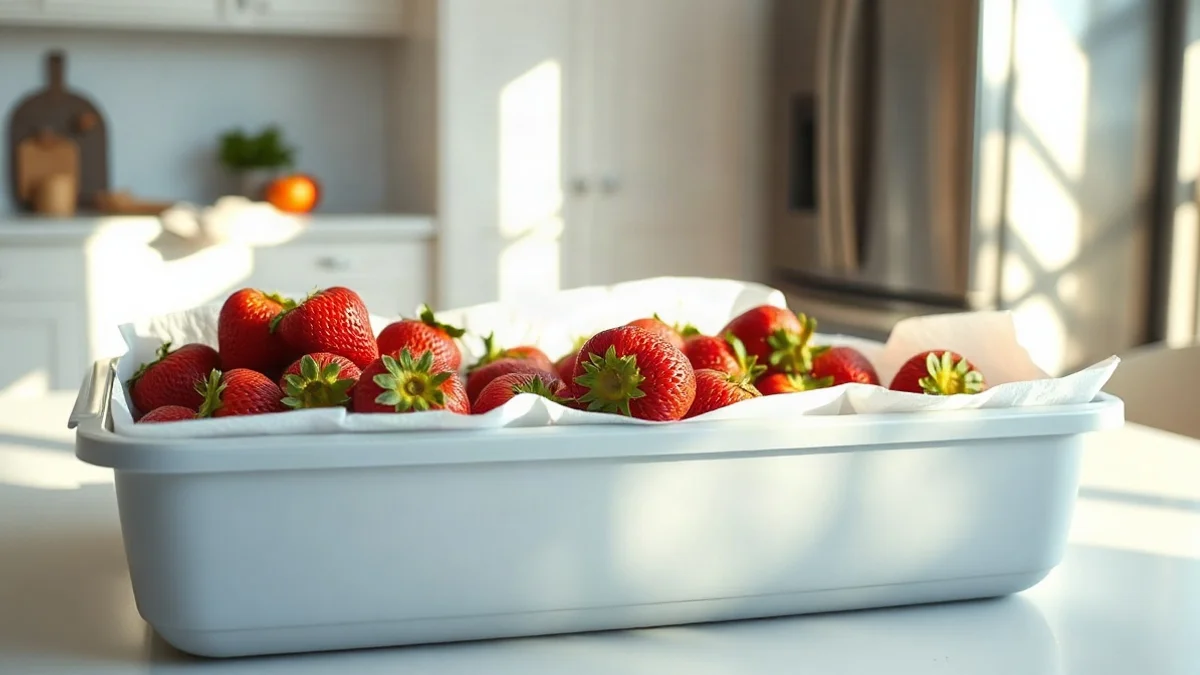
Strawberries are notoriously delicate, often turning soft, losing their vibrant appeal, or developing mold within just a day or two of being placed in the refrigerator. Because these delicious berries spoil so quickly, many people struggle to finish a basket before they begin to turn. Fortunately, implementing a few straightforward storage practices can significantly extend their shelf life and keep them fresh for longer.
One of the most common mistakes people make is washing the berries immediately upon returning home from the market. While this seems convenient for future snacking, the residual moisture left on the fruit creates an ideal environment for mold and rapid decay. Avoiding premature washing is just the first step in properly handling this fragile fruit.
Essential Steps for Proper Strawberry Storage
- Do not wash beforehand: Rinse the strawberries only immediately before eating to prevent excess moisture from accelerating mold growth.
- Remove damaged fruit: Before refrigerating, inspect the basket and discard any berries that are softened, bruised, or showing early signs of decay, as a single compromised fruit can ruin the entire batch.
- Use paper towels: Line a clean, wide container with paper towels to absorb excess humidity that accumulates at the bottom.
- Avoid overcrowding: Arrange the berries in one or two layers at most to prevent crushing the fruit underneath.
- Refrigerate promptly: Store the strawberries in the refrigerator, covered loosely or in a container with ventilation holes, and never leave them at room temperature for extended hours.
Even with optimal storage conditions, strawberries have a limited shelf life. According to recommendations from agricultural extension services at universities in the USA, it is best to consume the fruit within two to three days of purchase, depending on their initial ripeness.
It is crucial to inspect the container daily and remove any fruit showing signs of mold. If mold appears on a single strawberry, experts advise against simply cutting away the spoiled section; instead, discard the affected berry entirely and carefully check the surrounding fruit to protect the rest of the batch.