Chef Erez Komarovsky on Galilee Life, Culinary Evolution, and Food Trends
Chef Erez Komarovsky reflects on 20 years in Matat, the evolution of Israeli cuisine, culinary trends, high catering costs, and his refusal to evacuate during wartime.
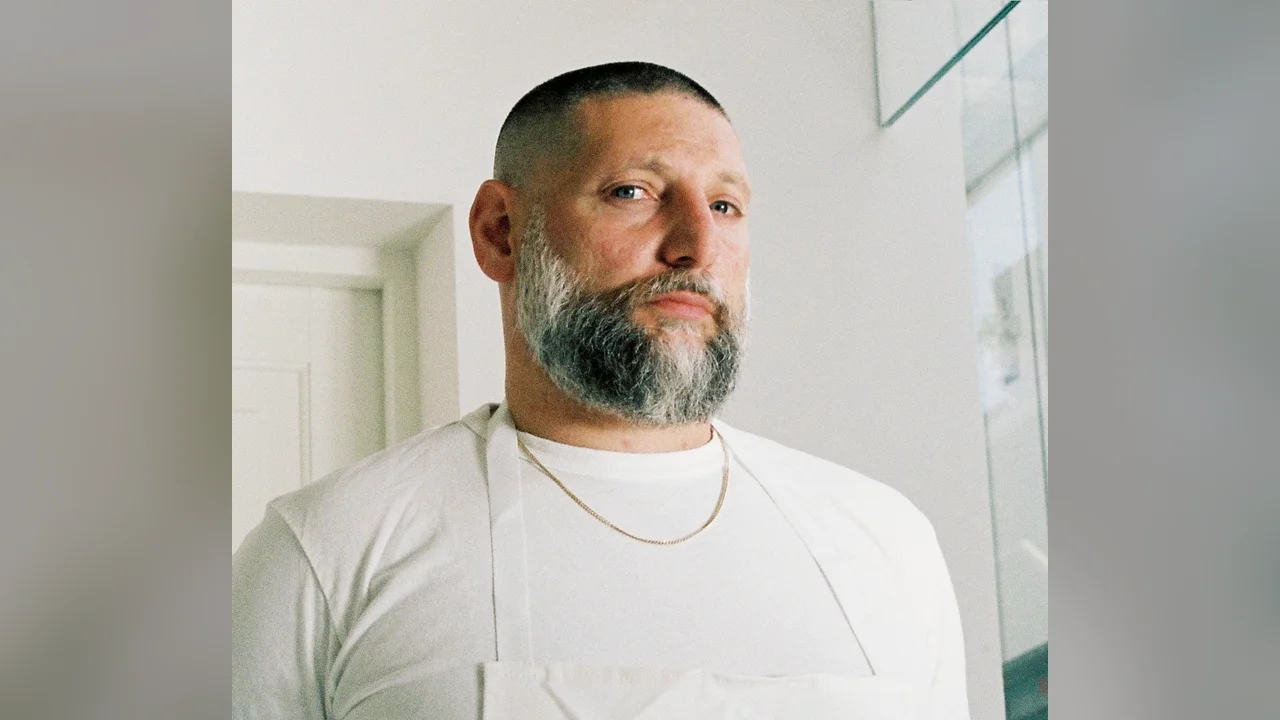
Renowned chef and baker Erez Komarovsky, a founding figure of modern Israeli culinary culture, reflects on two decades of life in the Galilee, the transformation of the local food scene, and his refusal to evacuate his home in Matat during wartime.
Life in the Galilee and Wartime Resilience
Marking 20 years since leaving Tel Aviv for the pastoral community of Matat in the Upper Galilee, Komarovsky notes that the northern region continues to bear deep psychological scars from recent hostilities. Tourism, hospitality, and nature excursions have slowed significantly, leaving an enduring cloud over the area. Yet, despite the proximity to the border and the memory of serving as a soldier in the First Lebanon War, the 64-year-old chef chose not to evacuate.
"I am a bit like the Druze – I do not leave my home," Komarovsky explains. "I was not afraid. There was no fear."
Recalling the height of the conflict, he describes navigating concrete barriers and driving at high speeds along winding northern roads. Today, what keeps him anchored in the north is the profound connection to nature: foraging for wild mushrooms in the rain, tending his vegetable beds, raising chickens, and enjoying an unmatched quality of life.
Pioneering Israeli Cuisine and Culinary Evolution
Discussing the essence of Israeli cooking amidst modern political debates and debates over cultural appropriation, Komarovsky views the culinary landscape as an evolving, fluid entity shaped by continuous external influences. Reflecting on the pioneering days of 'Lehem Erez' and the broader culinary revolution of the 1990s, he recalls an era when basic ingredients such as ginger, basil, wasabi, and baby greens were virtually unavailable in local markets. Alongside fellow chefs, his generation laid the groundwork, introducing Anglo-Saxon baking, pound cakes, and diverse global techniques to a local food culture that started from a blank slate.
Addressing the economics of contemporary fine dining and high-end catering, Komarovsky acknowledges that food prices and catering fees have reached staggering levels, often exceeding 800 NIS per head. He attributes these soaring costs to expensive raw ingredients and fiercely competitive labor markets, noting that large-scale catering operations frequently draw talented line cooks away from traditional restaurants by offering higher compensation.
Mentorship, Personal Life, and Industry Changes
Having built a career with the early support of prominent cultural figures and food writers, Komarovsky is deeply committed to mentoring and elevating a new generation of chefs. He praises contemporary young cooks for their exceptional talent and high entry standards, emphasizing that mutual collaboration bridges the generational divide.
In his personal life, Komarovsky has shared a 40-year partnership with Miki, a tenured professor. He notes that being openly gay during his formative years offered a meaningful alternative to conventional bourgeois family structures, and credits their enduring relationship to mutual affection, independence, professional admiration, and deep friendship.
Reflecting on changes in professional kitchen culture, Komarovsky observes that the notoriously aggressive and abusive verbal environments of past decades have rightly given way to respectful workplaces. Having adapted to these shifts, his primary advice to aspiring culinary professionals remains constant:
"Explore, explore, explore. Lower your ego and learn. You cannot learn if you have a big ego."
For home bakers, Komarovsky recommends mastering basic yeast doughs, working patiently with flours and fermentation, and shedding culinary snobbery in favor of enjoying simple pleasures like baking fresh pita at home.