How the Pandemic Unexpectedly Fueled the Massive Success of Horror Films
Major studio heads reveal how post-pandemic audiences revived theatrical horror, driving a 7% attendance surge while other film genres experienced declining box office numbers.
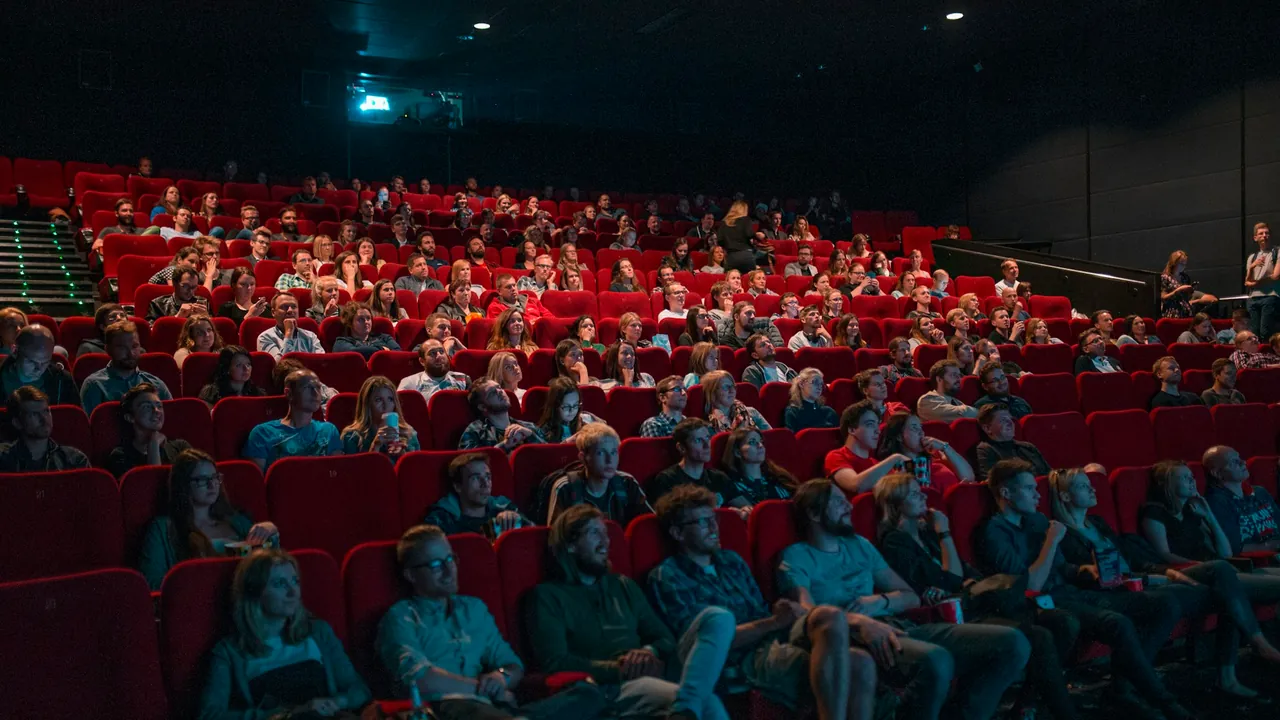
Leading figures from prominent production companies Blumhouse and Atomic Monster recently took center stage to celebrate the remarkable financial and cultural resurgence of the horror genre during a panel discussion titled "Business of Fear". Studio heads Jason Blum and James Wan explored the soaring popularity of horror films at the box office, highlighting how the theatrical sector has rebounded beyond pre-pandemic benchmarks.
The Post-Pandemic Theatrical Revival
Moderated by Ray Sobers, head of film at research firm NRG, the discussion presented striking data showing that cinema attendance for horror movies in 2026 surged by 7% compared to levels recorded prior to the COVID-19 pandemic. This notable increase stands in sharp contrast to other cinematic categories such as action, science fiction, and romantic comedies, which experienced declining theatrical viewership.
Blum attributed this unique phenomenon to the inherently communal nature of horror screenings, noting that audiences emerging from pandemic restrictions actively sought shared group experiences outside the home. While younger viewers grew accustomed to streaming movies domestically, horror films successfully bridged the gap between traditional cinema and live entertainment.
"I think if there is any genre that approaches the nature of a music concert or a sporting event, it is horror, more than any other genre, because it is so communal," Blum remarked during the panel session.
Breaking Records and Stereotypes
Turning to the breakout summer hit "Obsession", Blum discussed the film's extraordinary trajectory after Focus Features acquired the project. Produced on a modest budget of under one million dollars, the movie went on to gross more than 500 million dollars worldwide.
Blum credited the massive success to two key factors: the universal relatability of obsession among younger generations, and director Cary Barker's deep understanding of digital audiences cultivated over years of publishing short-form content on YouTube and social media platforms.
Wan added that the mainstream triumph of modern horror has successfully eliminated old industry stigmas, transforming a once-marginalized category into a celebrated and fashionable cinematic movement embraced by a new generation of filmmakers and enthusiastic moviegoers alike.