Dr. Maya Roseman Analyzes Seven Popular Weight-Loss Methods and Diets
Nutrition expert Dr. Maya Roseman examines seven popular weight-loss methods, detailing the distinct benefits and limitations of injections, high-protein diets, keto, paleo, Mediterranean, calorie counting, and intermittent fasting.
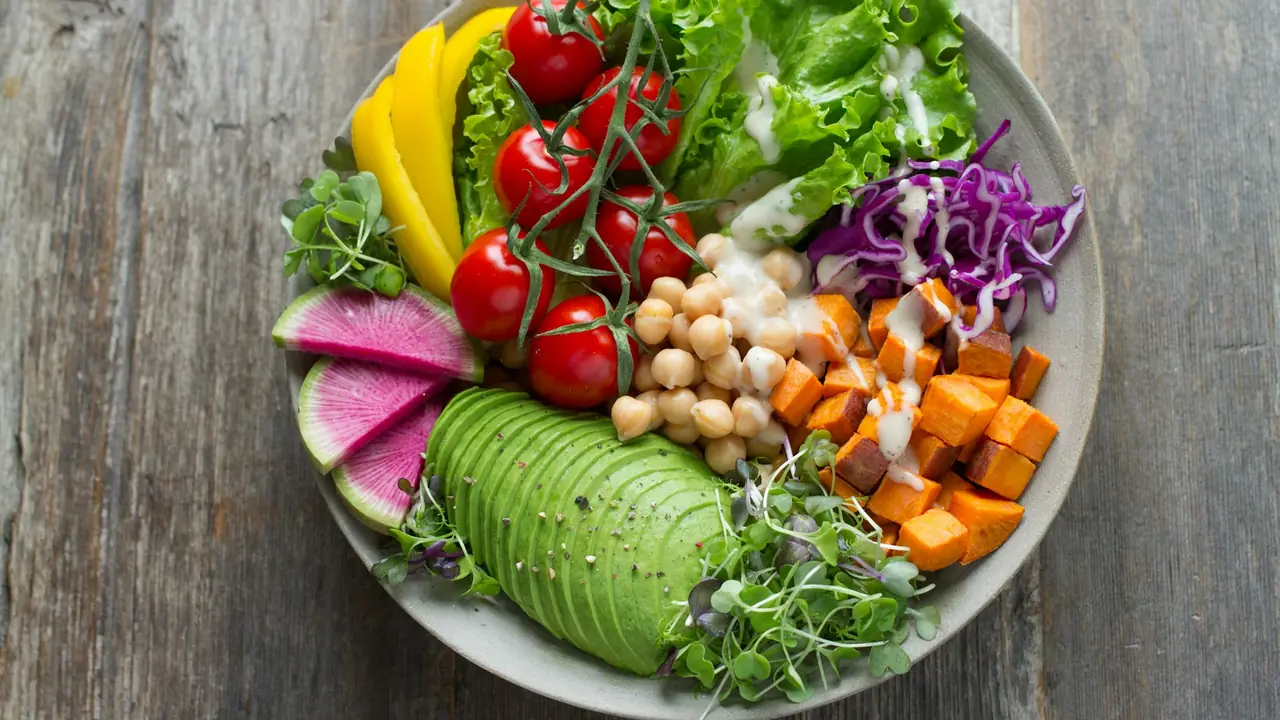
When it comes to shedding excess weight, individuals often encounter success stories from friends or colleagues who swear by specific diets—ranging from eliminating bread entirely and intermittent fasting to revolutionary weight-loss injections. Yet a method that works seamlessly for one person can prove extraordinarily challenging for another. Factors such as individual metabolic needs, evening snacking habits, work schedules, access to cooking facilities, and medical conditions dictate that no single approach fits everyone.
1. Weight-Loss Injections
While pharmaceutical treatments are medical interventions rather than traditional diets, they play a prominent role in modern weight management. These medications actively suppress appetite, enhance satiety, and facilitate significant weight loss, with certain formulas also serving in type 2 diabetes management. However, potential side effects include nausea, vomiting, constipation, and diarrhea. Weight regain is common once treatment stops, making it a long-term medical commitment rather than a short-term fix. Reduced appetite does not guarantee nutritional quality, meaning users must still consciously plan their meals to ensure adequate protein and essential nutrient intake under professional medical supervision.
2. High-Protein Diets and Atkins
High-protein regimens, including low-carbohydrate variants like Atkins, leverage the power of protein to enhance satiety and preserve lean muscle mass during weight loss, particularly when paired with resistance training. Adequate protein intake effectively subdues hunger and reduces the urge to snack. On the downside, overly restrictive versions eliminate fruits, whole grains, and legumes, potentially lowering dietary fiber, vitamin, and mineral intake. Experts emphasize that enjoying the benefits of protein does not require eliminating carbohydrates entirely.
3. Paleo Diet
Proponents of the paleo diet champion unprocessed, foundational foods such as vegetables, fruits, nuts, eggs, fish, and meat while avoiding sweets, flour, and processed sugar products. Because calorie counting is generally absent, many find it straightforward to follow. Nevertheless, eliminating legumes, grains, and dairy products can complicate achieving sufficient fiber and calcium levels without careful dietary substitutions. Modern nutritional science also notes that ancestral availability does not inherently determine current health impacts.
4. Keto Diet
Ketogenic diets drastically restrict carbohydrate intake, which often triggers rapid initial weight loss driven largely by water depletion. Some individuals report reduced appetite alongside improvements in blood sugar and triglyceride levels. However, the extreme restriction can make family meals and dining out difficult. Limiting fruits, legumes, and whole grains frequently reduces fiber intake, leading to constipation. Furthermore, diets rich in butter, heavy cream, and fatty meats may elevate LDL cholesterol levels in certain individuals, highlighting the ongoing importance of food quality.
5. Mediterranean Diet
Grounded in robust scientific research supporting cardiovascular health, the Mediterranean diet emphasizes vegetables, fruits, legumes, whole grains, olive oil, nuts, and fish. It adapts easily to home cooking and family traditions. The primary caveat is that healthy foods still contain energy; calorie-dense items like olive oil, tahini, and nuts can prevent a caloric deficit if consumed in excessive quantities. Individuals seeking weight loss must monitor portion sizes and snacks carefully.
6. Calorie Counting
Calorie counting offers considerable dietary flexibility by imposing no blanket bans on bread, pasta, or chocolate. Systematic tracking helps identify hidden calorie surpluses in beverages, dressings, and casual tastings throughout the day. Conversely, daily weighing, calculations, and logging food into applications can become mentally exhausting. Numerical tracking also fails to capture dietary quality, as a person can meet their daily calorie target while consuming insufficient protein, fiber, and vitamins.
7. Intermittent Fasting (16/8)
Restricting daily food intake to an eight-hour window helps many people curb mindless snacking and late-night eating without complex meal calculations. For some, monitoring the clock is simpler than tracking calories. However, it remains entirely possible to consume an excess of calories within an eight-hour window, and time-restricted feeding does not automatically upgrade food quality. A comprehensive review of 99 randomized trials published in the BMJ found no consistent metabolic advantage for time-restricted eating over continuous caloric restriction.
Choosing the Right Path
Rather than searching for the fastest weight-loss method, nutrition experts recommend asking whether a chosen routine is sustainable over the long term, whether it accommodates personal dietary challenges, and how it aligns with blood tests and overall health markers. A suitable nutritional strategy should provide sufficient, diverse nourishment, accommodate occasional indulgences, and incorporate a clear plan for long-term weight maintenance.