Health Impact of Weight Loss Drugs on Men: Hormones and Vascular Function
Weight-loss medications like Ozempic and Wegovy offer health benefits for men beyond weight reduction, including rising testosterone and improved vascular function.
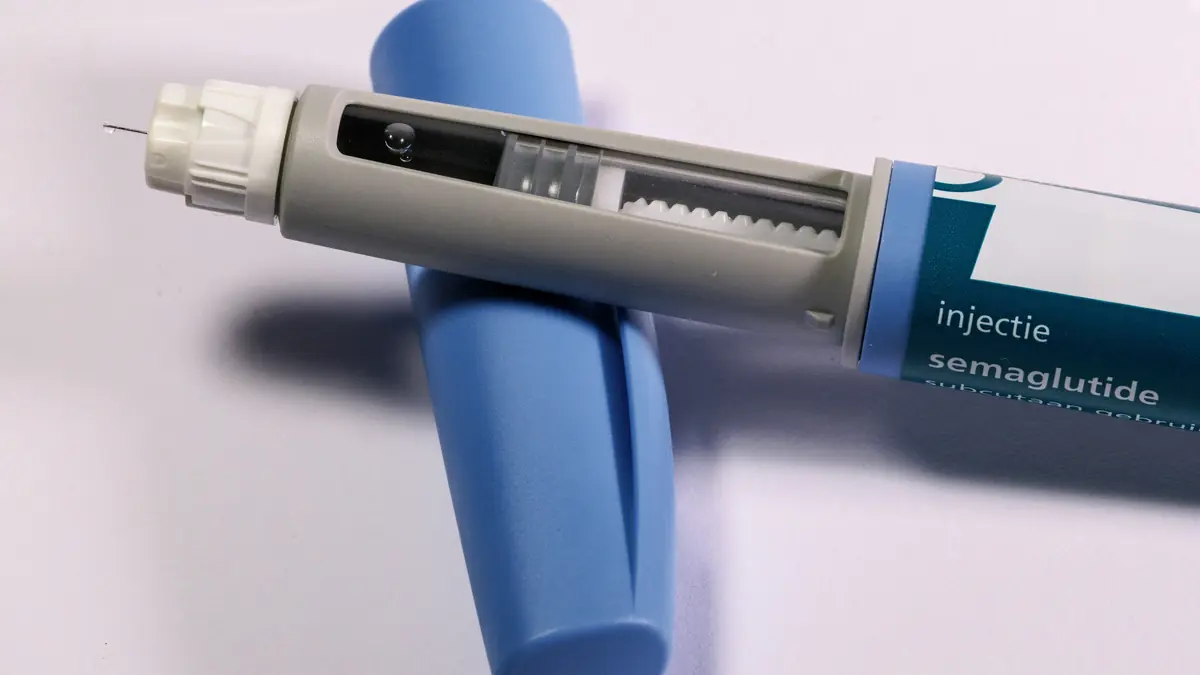
Weight-loss medications such as Ozempic, Wegovy, and Mounjaro have surged in popularity across Israel in recent years. Alongside their well-documented effects on weight reduction and blood sugar management, recent studies highlight additional health impacts particularly relevant to men, including hormonal shifts, enhanced vascular function, and potential effects on fertility.
Hormonal Changes and Testosterone Levels
Testosterone is a pivotal hormone for male health, influencing muscle mass, bone density, energy levels, and mood. In one study involving men treated with semaglutide or tirzepatide, total testosterone levels rose from 320 to 419 nanograms per deciliter, accompanied by increases in free testosterone and reductions in body mass index.
Experts explain that this shift stems from the complex biological link between obesity and the endocrine system. Adipose tissue contains an enzyme that converts testosterone into estrogen, while obesity can alter hormone-binding proteins in the bloodstream. Consequently, shedding excess weight helps restore a more favorable hormonal profile.
Vascular Health and Metabolic Impact
Obesity, diabetes, and insulin resistance act as major risk factors for vascular impairment and chronic systemic inflammation. These conditions can compromise the ability of blood vessels to dilate properly and disrupt healthy circulation.
Weight loss and improved metabolic indicators contribute to better vascular function and overall male health. Researchers are currently investigating whether these vascular improvements stem from the direct pharmacological action of the medications or the consequential weight loss itself.
Further research is required to fully understand the long-term impact of these treatments on men's health and to determine the precise mechanisms behind the observed physiological changes.