Israel Defense Ministry Launches Major Overhaul of Procurement Processes
Israel's Ministry of Defense has launched a major procurement reform to end single-source contracts, expand suppliers, and curb delivery delays in coordination with the IDF.

The Ministry of Defense of Israel has launched a sweeping overhaul of its defense procurement procedures, aimed at boosting enforcement and expanding its supplier base. Upon assuming office, Director General of the Ministry of Defense Amir Baram outlined three core reforms: expanding defense exports, transforming the Rehabilitation Division into a national authority, and significantly upgrading defense procurement processes. With the first two initiatives already completed, the ministry has advanced its procurement plans following the submission of a committee led by former Planning Directorate head Maj. Gen. Amir Abulafia.
Overhauling the Procurement Interface
While previous ministry committees focused exclusively on internal operations, the Abulafia Committee examined the critical operational interfaces between the ministry and the IDF, where Deputy Chief of the General Staff Maj. Gen. Tamir Yadai has been spearheading parallel processes. Over a six-month period, the committee evaluated the full chain of command from supplier to purchaser, examining the Directorate for Defense Procurement (MINHAR) and the Directorate of Defense Research and Development (DDR&D) alongside military branches and the General Staff. The review spanned operational needs definition, approval mechanisms, and actual execution.
Following the submission of the committee's findings in the summer, ministry and military leadership began implementing key recommendations. Ministry officials noted that while Western defense procurement processes remain cumbersome, and nations worldwide seek efficiency, centralized leadership models in the East demonstrate the necessity of accelerating acquisitions.
Expanding Competition and Curbing Single-Source Deals
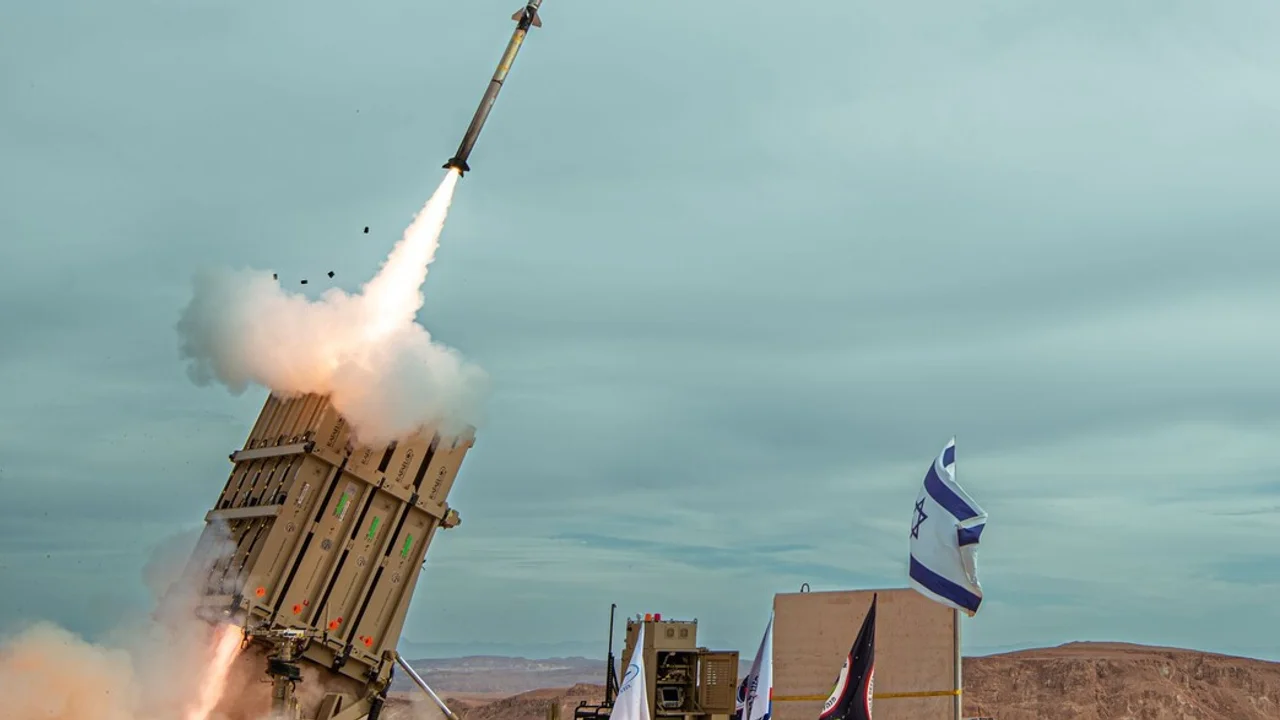
Under the new directives, the ministry is moving away from a reliance on single-source contracts. Officials aim to introduce competitive tenders featuring two or more winning suppliers to guarantee operational redundancy, rapid supply chains, and enhanced market competition. While certain specialized items—such as the Iron Dome defense system produced by Rafael Advanced Defense Systems—will inherently remain single-source, most procurement categories will transition away from exclusive supplier dependencies.
Simultaneously, the military is moving to reduce over-specification. Operational units often introduced numerous restrictive clauses to mitigate risk, which ultimately stifled competition. Moving forward, the ministry will prioritize commercial off-the-shelf products over lengthy custom development cycles to prevent costly delays.
Furthermore, the ministry is cracking down on persistent delivery delays by contractors. Leadership has signaled that excuses for late fulfillment will no longer be tolerated, and enforcement measures will be significantly tightened. Procurement diversification will be supported by tailored vetting processes rather than rigid uniform standards, alongside the launch of an expanded digital marketplace platform that will enable military units to acquire equipment on a vastly larger scale.