How to Cook Bulgur Wheat: A Complete Guide to Fine, Medium, and Coarse Grains
Learn how to cook fine, medium, and coarse bulgur wheat perfectly with simple water ratios, soaking tips, and essential culinary techniques for delicious meals.
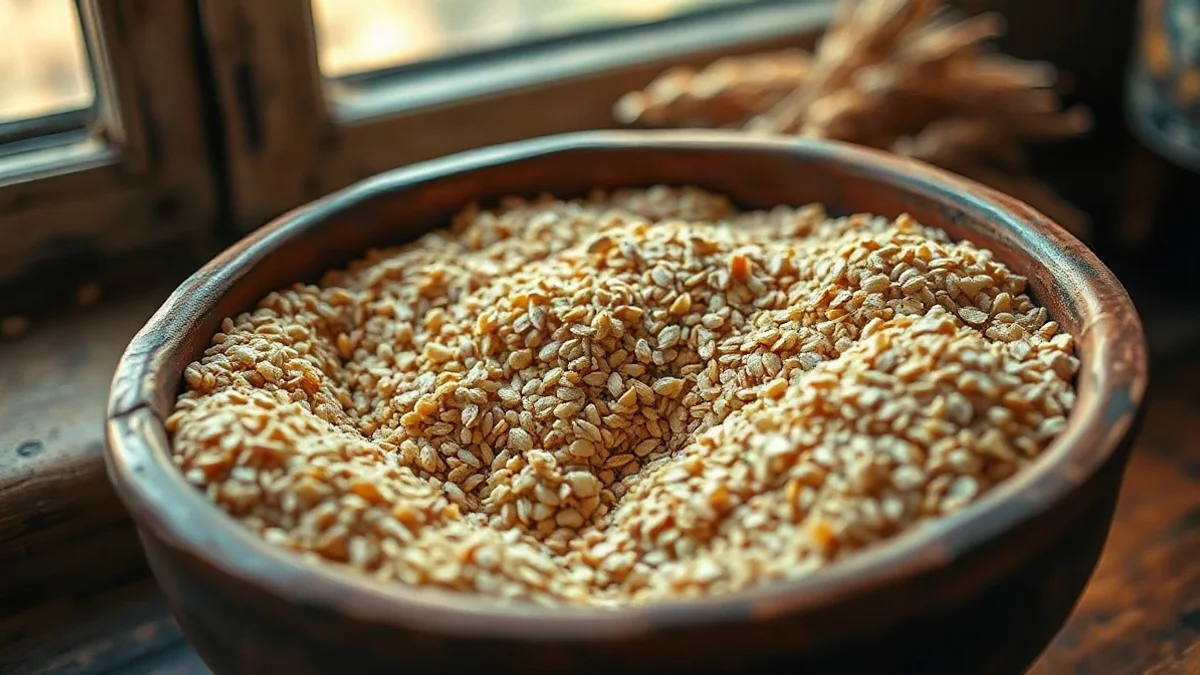
Cooking the perfect bulgur wheat is simpler than it seems, depending entirely on the grain size. Fine bulgur requires only 10 to 15 minutes of soaking in boiling water, while medium and coarse varieties take between 10 to 20 minutes of simmering over low heat. As a general rule, use a ratio of about one to one and a half cups of water per cup of bulgur. If the grains remain too firm, simply add a splash of hot water and continue cooking, then fluff with a fork before serving.
Understanding Bulgur Grains
Bulgur is made from cracked wheat that has been partially cooked, dried, and ground. This efficient processing significantly reduces cooking time compared to whole wheat berries, with fine varieties requiring no cooking at all. The primary distinction among types lies in granule size: finer bulgur softens rapidly, whereas coarse bulgur offers a firmer, chewier texture and demands longer preparation.
Because packaging and manufacturing standards vary across brands, preparation instructions can slightly differ. However, the most important culinary rule is not to stress over rigid measurements. If your bulgur is tender and delicious but excess water remains, simply drain it. Conversely, if the grains are still too firm, add a little liquid and proceed.
Step-by-Step Preparation Methods
For fine bulgur, place one cup of grains into a heatproof bowl, add one to one and a half cups of boiling water, cover, and let rest for 10 to 15 minutes. Drain any surplus water, fluff with a fork, and incorporate into salads such as tabbouleh after allowing it to cool completely.
For coarse bulgur, combine one cup of grains with one and a half to two cups of water and a pinch of salt in a pot. Bring to a boil, cover, reduce the heat to low, and simmer for about 15 minutes until the water is absorbed. Turn off the heat, let the covered pot rest for five minutes, and fluff with a fork.
Culinary Uses and Tips
Bulgur serves as a versatile foundation for countless dishes far beyond a simple side dish. Medium and coarse varieties excel in stuffed peppers, vegetable patties, pilafs, and warm grain bowls, while fine bulgur creates exceptional Middle Eastern salads. For those wondering about dietary restrictions, bulgur is made from wheat, meaning it contains gluten and is unsuitable for individuals with celiac disease.