3,300-Year-Old Bronze Sword Discovered in Pristine Condition in Italian Lake
Archaeologists in central Italy have discovered a 3,300-year-old bronze sword with a miraculously sharp blade in Lake Bolsena. The weapon, found alongside a bronze razor near a submerged ancient stilt village, offers fresh insights into Late Bronze Age elite culture and rituals.
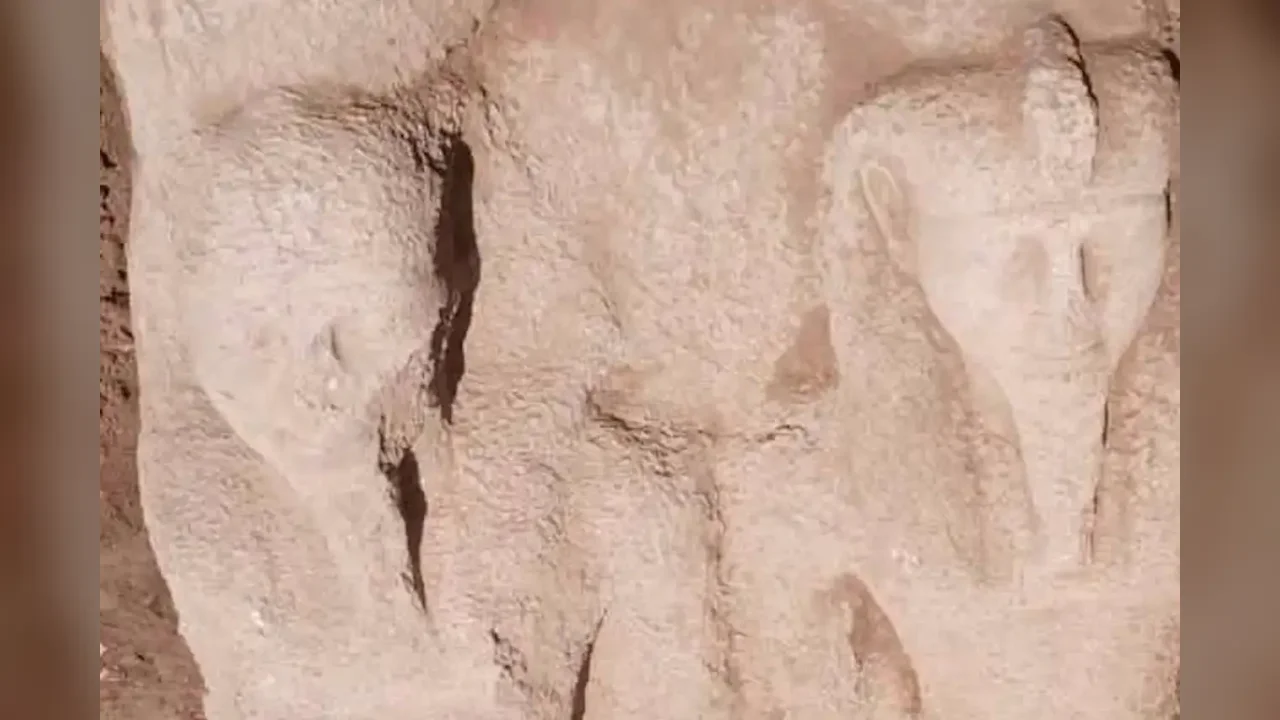
Archaeologists diving in a volcanic lake in central Italy have discovered a remarkably preserved bronze sword dating back some 3,300 years. Despite millennia underwater, the weapon's blade remains astonishingly sharp, offering a rare window into Late Bronze Age craftsmanship.
The extraordinary find was made in Lake Bolsena, located approximately 100 kilometers northwest of Rome, during an underwater excavation conducted by the Italian heritage authorities for Viterbo and southern Etruria. Measuring tools and inspection confirmed the sword dates to the 13th century BCE and matches weapon-making styles typical of central Italy during that era.
Elite Warriors and Mysterious Rituals
Equally intriguing was a bronze razor discovered in close proximity to the sword. Archaeologists note that similar pairings of swords and razors have frequently been uncovered in European graves belonging to high-status individuals and local elite warriors, suggesting the items may have belonged to a prominent local figure.
During the Late Bronze Age, bronze weapons served not merely as functional combat gear, but as powerful symbols of prestige, status, and identity. Communities in central Italy at the time maintained extensive trade and cultural networks across the Italian peninsula and the wider Mediterranean.
Ancient Stilt Houses and Open Questions
Lake Bolsena is renowned for hiding the submerged remains of an ancient Bronze Age settlement built on wooden stilts, first discovered in 1971. Following renewed excavations, researchers have mapped more than 600 ancient wooden piles on the lakebed alongside intact pottery, axes, arrowheads, daggers, spearheads, and bronze pins.
Researchers are now investigating how the sword ended up on the lakebed. While it could have been lost accidentally, experts are seriously considering the possibility of a ritual offering. Depositing valuable weapons and jewelry into bodies of water was a common practice among prehistoric European communities and later civilizations, such as the Etruscans, who viewed springs and lakes as sacred spaces.
"Every new discovery helps us understand the symbolic behaviors of prehistoric communities far beyond the object itself," the archaeological authority stated. Further excavations are planned to unravel the mysteries of the ancient settlement and its connection to the lake.